

8 Bike Battery Warranty Terms to Know Before You Buy an Electric Bike
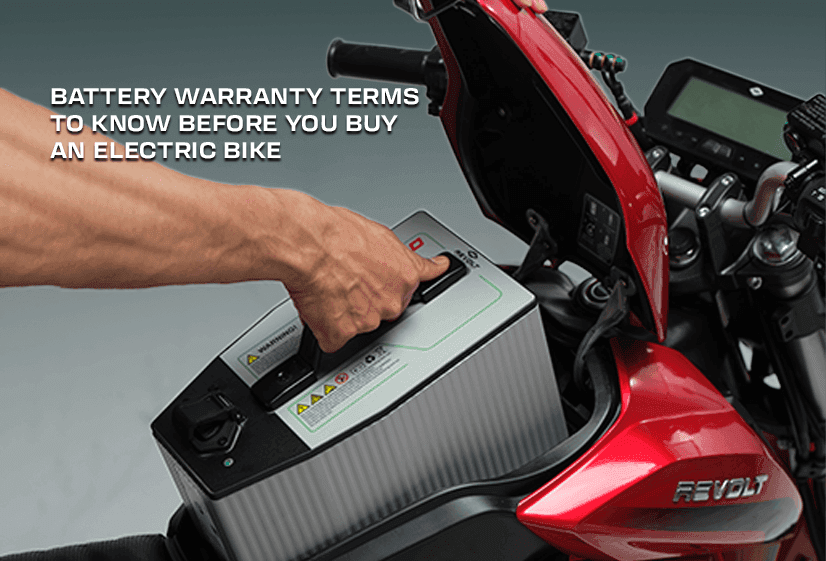
Thinking of getting an electric bike? Great choice. They don’t cost much, are fun to ride, and help you move through city traffic easily. But before you hit that “buy now” button, there's one thing you shouldn't skip: the battery warranty.
The battery gives power to your ride, and if it stops working, fixing it can be expensive. That’s where a good bike battery warranty steps in. It gives you that extra peace of mind, knowing you're covered if things don’t go as planned. Here’s what you need to check before bringing your e-bike home.
1. What Does a Bike Battery Warranty Cover?
Every buyer should begin by looking at what the warranty includes. Some warranties are limited, while others are more comprehensive. Generally, they cover manufacturing defects, internal failures, and performance issues within a specified time or usage range.
However, coverage doesn’t usually extend to accidental damage, water exposure, or misuse. For example, using incompatible chargers or tampering with the battery’s structure might leave you without support, even if you’re still within the bike battery warranty period.
It’s a good idea to read the coverage terms closely. This helps you understand what kind of issues you can raise a claim for, and what you’ll have to handle on your own.
2. Duration of Warranty and Usage Limit
Battery warranties usually have a set time limit or cycle count. Most commonly, you’ll see a bike battery warranty lasting between 2 to 3 years or around 600 to 1,000 full charge cycles.
Some brands might also use performance benchmarks instead of fixed timelines. For instance, the battery might be covered as long as it retains 70% of its original capacity within a particular period. If performance drops faster, it may qualify for a warranty claim.
The RV400, for example, offers a 5-year or 75,000 km battery warranty, giving riders decent coverage for regular urban use.
3. Checking Bike Battery Warranty
Wondering how to check “how to check bike battery warranty”, especially if the e-bike is second-hand or already in use?
It's a practical step that can save you from confusion later. Most brands offer a serial number printed on the battery pack, which can be entered on their website or mobile app to view the current warranty status.
You’ll also find the start date mentioned on the invoice or activation report. Keep both the warranty card and the purchase proof in a safe place because both are usually required to raise a claim.
Without these documents, it can be tricky to get service or a replacement, even if your battery is clearly faulty and within the estimated timeframe.
4. Warranty Terms That Get Overlooked
While most people focus on duration, several smaller terms in the bike battery warranty can be equally important. Conditions like avoiding overcharging, storing the battery within a safe temperature range, and not modifying the connectors are often included in the fine print.
Even the way the bike is used can affect the validity of the warranty. For example, using the e-bike for towing or extreme sports may void it entirely, even if it’s still under coverage.
The RV1 Plus includes a battery warranty of 5 years or 75,000 km, which also comes with specific usage guidelines mentioned in the owner's manual.
5. Repair vs Replacement Policy
A big part of the bike battery warranty is what happens when the battery fails. Some companies offer a complete bike battery replacement, while others repair the issue or replace only faulty components.
If a full replacement is offered, the new battery might be refurbished or slightly used, depending on the brand's policy. Also, a replaced battery may not come with a new warranty but rather continue under the original coverage duration.
This makes it necessary to ask whether the brand offers a fresh warranty on replaced batteries or just continues the original timeline.
6. Understanding Battery Capacity Retention
Battery performance naturally declines over time, and brands usually account for this by including a minimum performance threshold in their bike battery warranty. This means your battery should deliver a certain percentage of its original power within the warranty period.
For example, a clause may state that the battery must retain at least 65% of its original capacity after two years. If it drops below that and the usage is within limits, the warranty will likely cover it.
This retention value helps you track your battery’s health and decide if it’s time to file a claim or get it evaluated professionally.
7. Cost After Warranty Ends
Once your bike battery warranty ends, maintenance becomes a personal expense. That’s when buyers start asking about the revolt electric bike battery price or the costs of compatible replacements.
Batteries can be expensive, sometimes amounting to nearly 30–40% of the bike’s price. Before purchasing an electric bike, check how much a replacement would cost and whether it's readily available.
Also, make sure local service centres are equipped to handle post-warranty repairs, so you're not left stranded with limited options.
8. Things to Know While Making a Claim
Filing a warranty claim might seem simple, but missing a small step can lead to rejection, even if your battery is well within the coverage period. It's always better to be prepared and know exactly what's expected during the process.
Here are a few things to keep in mind while making a claim:
- Visit an authorised service centre with all essential documents, including your invoice, bike battery warranty card, and registration details
- Carry both the battery and charger if the brand requires them for evaluation
- Claims may be declined if the battery shows signs of damage or unauthorised tampering
- Maintaining service records and following correct charging practices improves your chances of approval
Key Takeaways
- Check the exact duration of the bike battery warranty
- Know what is and isn’t covered before buying
- Save your invoice and warranty card
- Learn how to check the warranty online
- Some brands repair, others replace the battery
- Warranty includes capacity retention terms
Final Thoughts
Buying an electric bike is not just about features and speed. The bike battery warranty plays a crucial role in determining long-term value and peace of mind. Understanding the fine print now can save you frustration later.
So, before you lock in your decision, ask questions, check what’s covered, and know how claims work. After all, your battery is not just a part of the bike; it’s the powerhouse behind every ride.
If you're leaning toward going electric, take a closer look at options like the RV400 or RV1 Plus. They're built for everyday use, come with solid battery coverage, and give you the kind of ride that feels worth it. Drop by for a test ride and see how reliability actually feels on the road.