

Electric Bike Features & Specifications Guide
Revolt RV1+ Colours: Titan Red Silver, Black Neon Green and More
Explore the Revolt RV1+ colour options, from Cosmic Black Red to Titan Red Silver and Black Neon Green, and learn how to pick the shade that suits you.
Read moreRevolt RV BlazeX Colours: Sterling Silver Black vs Eclipse Red Black
Compare the Revolt RV BlazeX colours: Sterling Silver Black vs Eclipse Red Black. See which suits commuting, style and maintenance, and how to choose in person.
Read moreRevolt RV1+ for Apartment Living: Removable Battery Charging at Home
Living in a flat without a parking socket? See how the Revolt RV1+ removable battery makes home charging simple, what to check with your society and safe charging rules.
Read moreRevolt RV BlazeX Brakes and Tyres Explained: Disc Brakes, CBS and Grip
Understand the Revolt RV BlazeX braking and tyre setup: disc brakes, CBS, 90/80-17 and 110/80-17 tyres, wet-road tips and a simple maintenance checklist.
Read moreRevolt RV1+ Payload and Storage: What 190 kg Capacity Means
What does the Revolt RV1+ 190 kg payload mean in daily use? Learn how load affects range, handling and braking and how to carry luggage safely.
Read moreRevolt RV BlazeX Seat Height, Weight and Ground Clearance: Is It Right for Your Height?
Check the Revolt RV BlazeX seat height, 105 kg kerb weight and 180 mm ground clearance, and find out whether the bike fits your height and roads.
Read more
Does the Revolt RV BlazeX Have GPS? Inbuilt Tracking and App Features
Yes, the Revolt RV BlazeX has inbuilt GPS. See what it does, how live tracking, geofencing and SOS alerts work through the MyRevolt app, and how it compares with other Revolt bikes.
Read more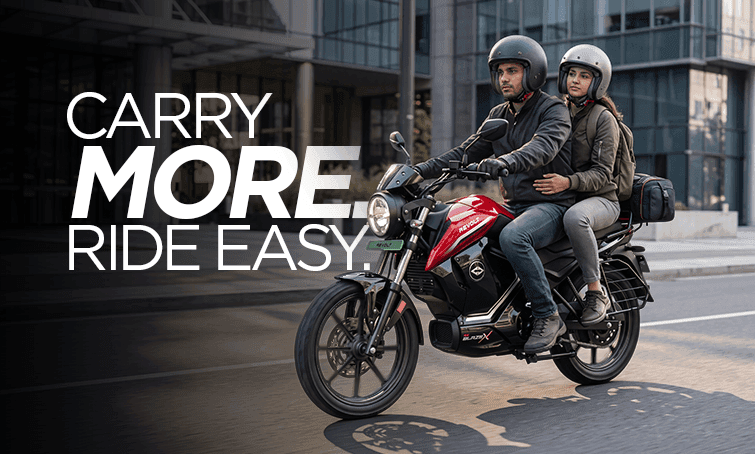
Revolt RV BlazeX Payload: Why 250 kg Matters for Daily Riders
The Revolt RV BlazeX is rated for a 250 kg payload, the highest in the Revolt range. See what that means for pillion riding, luggage, range and safety.
Read more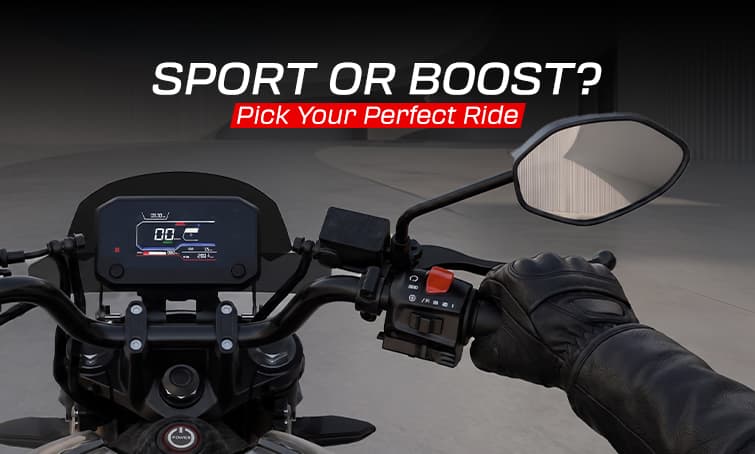
Boost Mode vs Sports Mode: Which RVX Riding Mode Should You Use?
Explore RVX Sport and Boost modes, their top speeds, riding characteristics, range impact and when to use each mode for your everyday rides.
Read more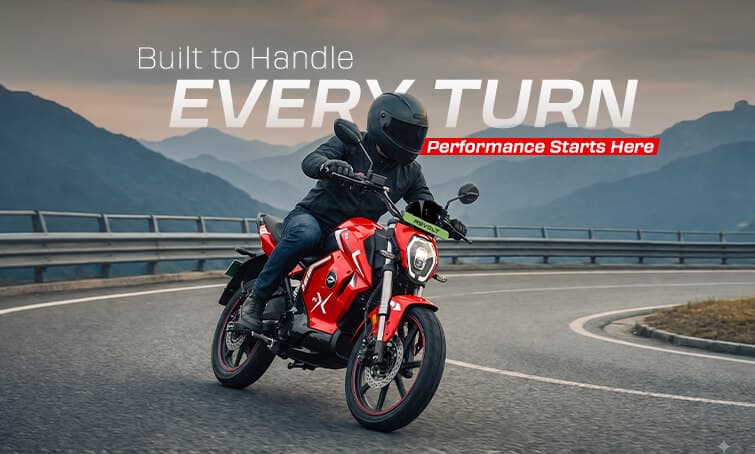
RVX USD Front Forks & Suspension: Why It Rides Like a Performance Bike
Discover the Revolt RVX suspension setup, including USD front forks and rear monoshock, and learn how they improve handling, braking and ride quality.
Read more