

Electric Bike EMI Plans: How Students Are Affording Their First EV
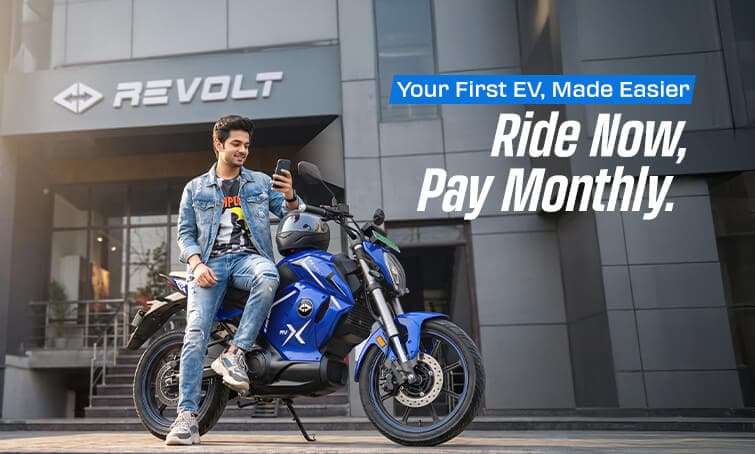
A few years ago, buying a bike on EMI as a student meant relying almost entirely on a parent's income and credit history to get approved. That picture has changed considerably, and financing options for electric bike EMI in India have become genuinely more accessible to students themselves, not just their families. This shift matters because it removes one of the biggest practical barriers standing between a student and their first EV purchase. This article looks at how students are actually structuring these purchases today, and what practical options exist for financing a first EV like the RVX. An electric bike like the RVX typically carries a higher upfront price than a comparable entry-level petrol bike, even after available subsidies are factored in. EMI financing directly addresses this problem by spreading the purchase price across manageable monthly payments, rather than requiring the full amount upfront. Co-applicant or guarantor loans. Many lenders allow a parent or guardian to act as a co-applicant, typically resulting in more favourable interest rates than an application based on a student's limited financial history alone. Student-specific financing programmes. Some lenders and dealerships offer financing structured specifically around student circumstances, sometimes with more flexible documentation requirements. Part-time income and internship stipends. This alone may not be sufficient for loan approval without a co-applicant in many cases, but it supports the case for affordability when applying alongside a parent or guardian. For students financing the RVX specifically, the general structure follows standard two-wheeler loan norms. Lenders typically finance around 90 percent of the vehicle's value, with the remaining amount forming the down payment, though some buyers may qualify for closer to full financing depending on their specific profile. Interest rates for two-wheeler loans in India generally range between roughly 9.7 percent and 15 percent per annum, based on rates commonly published by lending platforms and dealership financing partners, depending on the lender, the applicant's credit profile, and the chosen tenure. Treat this as a general reference range rather than a guaranteed quote. Shorter tenures (12-24 months) result in higher monthly EMIs but lower total interest paid over the loan period. Longer tenures (36 months or more) reduce the monthly EMI considerably, which can make more sense if the student expects to start contributing to payments themselves once they begin working. There is no universally correct choice here. The right tenure depends on the specific financial situation of the student and their co-applicant. Beyond financing structure, it is worth factoring in current government incentives when calculating how much actually needs to be financed. As of the current PM E-DRIVE scheme terms, electric two-wheelers remain eligible for a central subsidy of ₹2,500 per kWh of battery capacity, capped at ₹5,000 per vehicle, for models priced under ₹1.5 lakh ex-factory. The scheme's timeline has been extended through to 31 March 2028, though it remains fund-limited and subject to further revision, so it is worth confirming current eligibility and terms directly with your dealer or the official PM E-DRIVE portal before finalising your loan amount. Involve a parent or guardian as co-applicant early, since this generally results in better interest rates and easier approval. Compare offers from multiple lenders, since interest rates and terms can vary meaningfully. Be honest about realistic monthly affordability, factoring in other regular student expenses. Ask about processing fees and other charges, since these are sometimes not included in the advertised EMI figure. Confirm current subsidy eligibility before finalising your loan amount.Why EMI Matters More for a First Electric Bike
How Students Are Actually Getting Approved
RVX Financing for Students: What to Expect
Comparing Tenure Options as a Student
Government Incentives That Reduce the Amount You Need to Finance
Practical Tips for Students Applying for EMI