

RVX Drivetrain Explained: What's Actually Powering the Rear Wheel
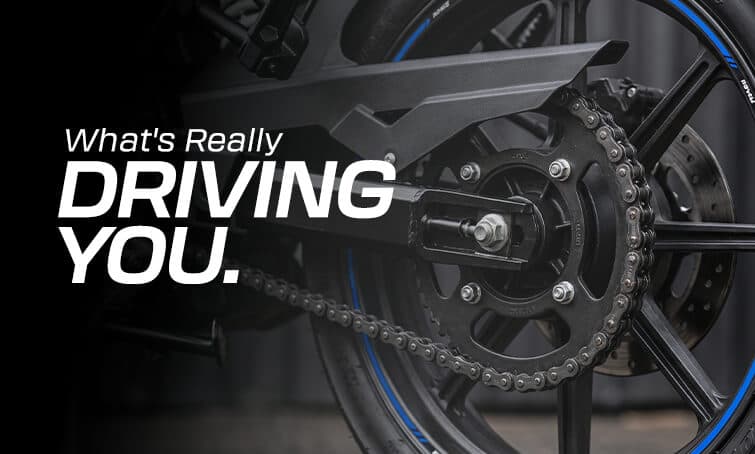
Motor power and torque figures often get the most attention when discussing electric motorcycle performance. However, the drivetrain—the mechanical system that transfers power from the motor to the rear wheel—is equally important to understanding how a motorcycle delivers performance. The Revolt RVX uses a chain-drive system to transfer motor output to the rear wheel. In this article, we explain how the RVX drivetrain works, what its sprocket configuration means, and what owners should know about chain maintenance. The Revolt RVX uses a chain-drive system to transfer power from the motor to the rear wheel. According to the RVX's official specification documentation, the drivetrain uses a 13-tooth front sprocket, a 60-tooth rear sprocket and a 120-link chain. Chain drive is a well-established drivetrain technology used across motorcycles. For anelectric motorcycle such as the RVX, it provides a direct mechanical connection between the motor's output and the rear wheel. You can also explore theofficial Revolt RVX specifications to understand the motorcycle's motor, battery, performance and other technical specifications. The basic principle is straightforward. The motor generates rotational force, which is transferred through the drivetrain to the front sprocket. The chain connects the front sprocket to the larger rear sprocket, which turns the rear wheel and ultimately moves the motorcycle forward. The RVX's 13-tooth front sprocket and 60-tooth rear sprocket create a final-drive ratio of approximately 4.6:1. This fixed ratio allows the drivetrain to translate the motor's rotational speed and torque into the characteristics required to drive the rear wheel across the RVX's operating speed range. Unlike a conventional petrol motorcycle with a multi-speed gearbox and manual gear changes, the RVX is designed around an electric drivetrain that does not require the rider to shift through multiple gears during normal riding. There are several approaches to transferring power to the rear wheel of an electric two-wheeler, including hub motors, belt drives and chain drives. A hub motor integrates the motor into the wheel itself, while belt and chain systems use a separate motor and mechanical final drive to transfer power to the wheel. Each approach involves different engineering considerations around packaging, weight distribution, maintenance and performance characteristics. The RVX uses a chain-drive configuration, giving it a drivetrain layout familiar to motorcycle riders. Chain-drive systems are also a well-established motorcycle technology and can efficiently transfer motor output to the rear wheel when properly maintained. For riders interested in understanding the RVX beyond individual specifications, the drivetrain is one of several components that work together to determine the motorcycle's overall riding experience. The RVX uses a 13-tooth front sprocket and a 60-tooth rear sprocket. Dividing the rear sprocket size by the front sprocket size gives a final-drive ratio of approximately 4.6:1. In simple terms, the rear sprocket rotates fewer times than the front sprocket, while the drivetrain provides a mechanical torque multiplication through this reduction. The fixed final-drive ratio is an important part of how the RVX's motor output is translated into rear-wheel performance. The RVX also offers different riding modes, including Boost Mode, which enables a claimed top speed of up to 90 km/h, subject to the applicable conditions and specifications. For a complete overview of the motorcycle's performance figures, see theRevolt RVX official specifications. The main maintenance consideration of a chain-drive motorcycle is that the chain requires periodic inspection and maintenance. Chain maintenance generally includes: Checking chain tension Keeping the chain properly lubricated Inspecting the chain and sprockets for wear Keeping the drivetrain clean Following the manufacturer's recommended service schedule The exact maintenance requirements and service intervals for the RVX should always be based on Revolt's official maintenance recommendations. This is one area where an electric motorcycle differs from a completely maintenance-free perception that some buyers may have. While electric motorcycles eliminate several maintenance requirements associated with internal-combustion engines—such as engine oil changes, spark plugs and clutch-related maintenance—the mechanical drivetrain can still require periodic attention. Rather than relying on a generic motorcycle chain-maintenance interval, RVX owners should follow the maintenance schedule and recommendations provided by Revolt. It is also good practice to visually inspect the chain regularly, particularly if the motorcycle is frequently ridden in dusty, wet or harsh conditions. If you notice unusual chain noise, excessive slack or other drivetrain-related issues, it is recommended to have the motorcycle inspected by an authorised Revolt service centre. The RVX's electric motor and electronic control system determine how electrical power is converted into motor torque. The chain-and-sprocket drivetrain then transfers that rotational force to the rear wheel through its fixed final-drive ratio. This means the drivetrain plays an important role in translating motor output into rear-wheel torque and acceleration. The RVX's officially documented 230 Nm wheel torque is therefore a useful figure to consider when understanding the motorcycle's overall performance. For the complete set of performance specifications, refer to the RVX official specifications. Electric motorcycles and two-wheelers can use different drivetrain configurations, and each has its own characteristics. The RVX's chain-drive system uses a separate motor and sprocket-and-chain mechanism to transfer power to the rear wheel. Key characteristics: Familiar motorcycle drivetrain technology Mechanical power transfer to the rear wheel Requires periodic chain maintenance Allows the motor and drivetrain components to be positioned separately from the rear wheel A hub motor integrates the motor directly into the wheel. Key characteristics: Fewer external drivetrain components No conventional chain or belt required for power transfer Motor weight is located within the wheel assembly Commonly used in various electric two-wheelers A belt-drive system uses a reinforced belt instead of a metal chain. Key characteristics: Generally quiet operation Requires different maintenance considerations from a chain Commonly used in some electric and conventional motorcycles Final-drive design depends on the motorcycle's engineering requirements There isn't one drivetrain approach that is automatically best for every motorcycle. The appropriate system depends on the vehicle's overall engineering, performance requirements, packaging and intended use. A chain drive can produce some mechanical noise as the chain moves across the sprockets. However, an electric motorcycle does not have the engine and exhaust noise associated with a conventional petrol motorcycle. Keeping the chain correctly lubricated and maintaining the recommended tension can help ensure smooth drivetrain operation. The choice between chain drive and a hub-motor configuration does not by itself determine the motorcycle's overall weight. The RVX's 117 kg kerb weight reflects the complete motorcycle, including its battery, motor, frame, suspension, wheels, brakes and other components. Drivetrain layout can influence where components are positioned and therefore affect weight distribution and handling characteristics, but the overall vehicle weight needs to be considered as a complete system. The drivetrain is more than just a mechanism for transferring power. Its configuration influences how motor output reaches the rear wheel and forms part of the motorcycle's overall performance characteristics. Because the RVX uses a separate motor and chain final drive rather than a motor integrated into the rear wheel, the weight of the drivetrain components is distributed differently from a hub-motor design. This is one of the engineering details that can help explain why differentelectric motorcycles can feel different on the road even when their headline specifications appear similar. If you're interested in the broader technology behind the RVX, you can also read our guide to the Revolt RVX's official specifications.Chain Drive: The RVX's Power Transfer System
How Does the RVX Chain Drive Work?
Why Does the RVX Use a Chain Drive?
What Does the RVX Sprocket Ratio Mean?
What Does Chain Drive Mean for RVX Maintenance?
How Often Should You Check the RVX Chain?
Does the Chain Drive Affect the RVX's Torque Delivery?
Chain Drive vs Hub Motor vs Belt Drive
Chain Drive
Hub Motor
Belt Drive
Does Chain Drive Make the RVX Noisier?
Does Chain Drive Affect the RVX's Weight?
How the RVX Drivetrain Contributes to the Riding Experience