

Best Electric Motorcycle for Highway Riding in India
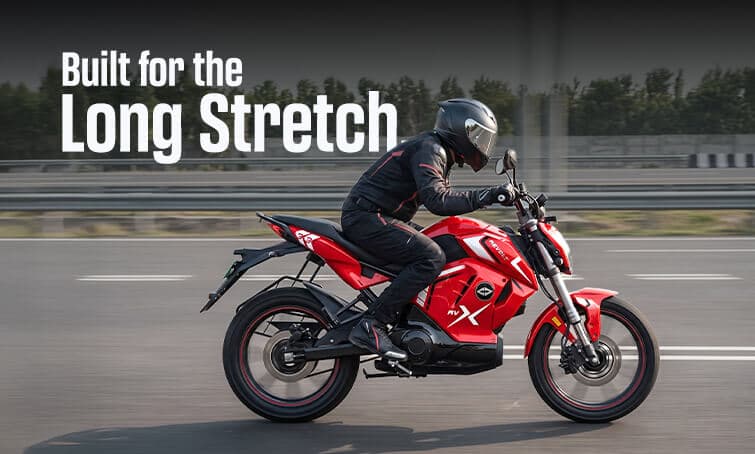
Highway riding asks more of an electric motorcycle than city commuting does, sustained higher speeds draw more power continuously, which affects both range and thermal management differently than stop-start traffic. If you're regularly covering intercity distances, the specs that matter for your shortlist of the best electric motorcycle for highway riding shift accordingly, and it's worth understanding exactly how before you commit to a model based on city-commute-oriented marketing alone.
Sustained Speed Matters More Than Peak Top Speed
A bike's claimed top speed is typically measured over a short burst, not sustained cruising. What matters more for highway use is how the bike performs holding a steady 70-90 km/h over an extended stretch, since that's a very different load profile on the motor and battery than accelerating and decelerating in traffic. Our RV400 city and highway performance test looks specifically at this distinction rather than relying on the single peak-speed figure.
Range Drops Faster at Highway Speeds
This is true of every electric vehicle, two-wheeled or otherwise: aerodynamic drag increases sharply with speed, so sustained highway cruising consumes battery faster per kilometer than city-speed riding does. If you're planning regular highway trips, budget your range expectations against sustained-speed consumption, not the city-cycle rated figure. Revolt's RV400 top speed and performance breakdown covers how speed and range trade off against each other in more detail.
Which Models Are Built for This
The Revolt RV400 BRZ is positioned toward riders who want stronger sustained performance rather than pure city-commuter tuning, making it a reasonable starting point if highway riding is a regular part of your use case. The Revolt RVX electric bike, with its 5.3 kW* peak motor and 160 km* IDC range, is also worth comparing directly if you're weighing performance against range for mixed city-and-highway use.
Thermal Management Under Sustained Load
Extended high-speed riding generates more sustained heat in both the motor and battery pack than intermittent city riding. A well-designed battery management system manages this by moderating power delivery if temperatures climb outside a safe range, which is one more reason build quality and BMS design matter more for highway-focused buyers than the headline spec sheet alone. Our broader look at measuring electric bike performance metrics covers how to evaluate this beyond the advertised numbers.
Comfort Over Distance, Not Just Speed
Highway riding also puts different demands on rider comfort than city commuting: longer stretches in the same riding position, more sustained wind exposure, and a need for a seat and ergonomics that hold up over an hour or two rather than a twenty-minute commute. It's worth factoring this into your shortlist alongside the powertrain specs, since a bike that's technically capable of highway speeds but uncomfortable to sit on for an extended stretch will still make for a tiring ride.
Planning a Long Highway Trip
Map out charging stops in advance rather than relying on finding one along the way, especially outside major metro corridors
Budget more conservative range estimates for sustained highway speeds than the rated city-cycle figure
Check tyre pressure and load before a long ride, both affect real-world range and highway stability meaningfully
Take short breaks that double as charging top-ups rather than treating charging as separate downtime
Carry the manufacturer's roadside assistance contact details in case you need support away from a familiar service center
Practical Advice Before You Commit
If highway riding is a regular, not occasional, part of your use case, it's worth test riding a candidate model on an actual highway stretch rather than just a dealership test loop, since sustained-speed behaviour doesn't show up in a short low-speed ride. Ask your dealer specifically about arranging a longer test route if highway performance is your main purchase criterion, since not every dealership offers this by default and it's worth requesting explicitly.
Conditions apply. Figures marked with an asterisk are claimed/rated values based on internal testing under standard conditions. Actual performance may vary depending on riding conditions, road and terrain, load, tyre pressure, rider weight, and riding style.