

Electric Bike Loan and EMI Guide: What to Check Before You Sign
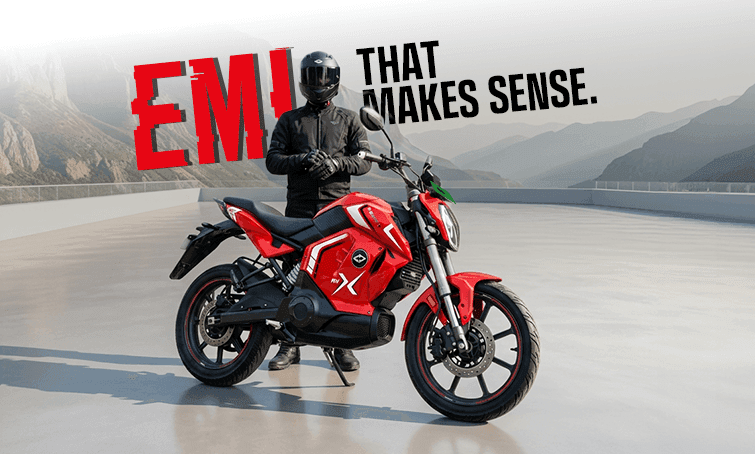
An electric bike often costs more upfront than a petrol bike, which is why many buyers look at a loan or EMI plan. Used well, a loan spreads the cost over months and lets the lower running cost of electric help you pay it off. This guide covers what to check before you sign.
How a bike loan works
You pay a down payment, and a bank or finance company pays the rest. You repay it in monthly instalments (EMI) over a period called the tenure. The EMI depends on the loan amount, the interest rate and the tenure.
What affects your EMI
- Down payment: a bigger down payment means a smaller loan and a lower EMI.
- Interest rate: it differs by lender and by your credit profile.
- Tenure: a longer tenure lowers the EMI but raises the total interest you pay.
- Processing fees and other charges: these add to the cost of the loan.
Questions to ask the lender
- What is the interest rate, and is it fixed or floating?
- What are the processing fee and other charges?
- Is there a penalty for paying the loan off early?
- What is the total amount I will repay over the full tenure?
Do the sum against your savings
Compare your EMI with what you spend on petrol today. Electric riders often find that the monthly saving on fuel offsets part of the EMI. Our running cost calculation guide shows how to work out your own saving.
What to keep ready
- Identity and address proof
- PAN card
- Income proof, as the lender asks
- Bank details
Look at the wider picture
Besides the loan, check the on-road price, any subsidy in your state and the insurance cost. Our guides on electric bike finance schemes and state-wise subsidies help you see the full cost. Your dealer can tell you about the finance options available at your nearest Revolt showroom.
In short
A loan can make an electric bike easier to afford, but compare lenders, ask about all charges and check the total repayment, not only the EMI. Then match the EMI against what you save on fuel.