

Selecting the Ideal Tyres for Your Bike: A Comprehensive Guide
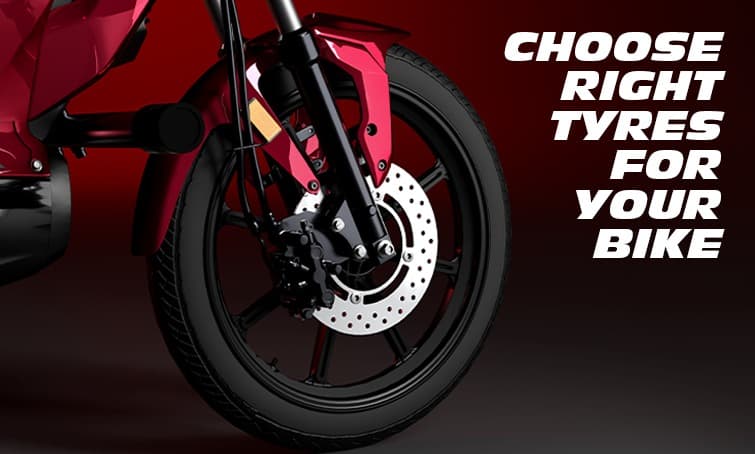
Let’s get real, your bike deserves better than “just any tyre.” Think of it this way: would you wear flip-flops to a marathon? No? Then your motorcycle shouldn't be stuck with the wrong tyres either. Your ride's grip, comfort, and performance depend heavily on the tyres you're using. And when riding something as futuristic and bold, you want tyres that match its energy, power, and attitude.
Let’s now relieve the anxiety and “walk” through choosing the best motorcycle tyres.
Why Tyres Matter More Than You Think
You already understand that tyres tie the motorcycle to the roadway, but their role is not just to ground the vehicle to the surface. The right motorcycle tyres:
1) Safety & Grip
Motorcycle tyres are your only contact with the road, and their grip determines how well your bike handles, corners, and stays upright in all conditions. High-quality tyres provide better traction, especially in wet or slippery situations, reducing the risk of skidding or losing control. Whether you're riding through a curve or making a sudden stop, good tyres ensure the bike sticks to the road and responds as expected.
2) Performance
Tyres play a direct role in translating engine power into movement. A well-matched tyre allows optimal torque transfer from the engine to the road, improving acceleration, handling, and responsiveness. Sport bikes, cruisers, and off-road motorcycles all require different tyre characteristics to perform at their best. Using the correct type enhances your bike’s full potential without compromising stability.
3) Comfort
Tyres help absorb vibrations and bumps from uneven roads, which improves the overall ride quality. The right tyre compound and tread pattern can cushion your journey, reducing fatigue during long rides and making everyday commuting smoother. This is especially important on rough terrain or poorly maintained roads where tyres act as the first line of suspension.
4) Braking
Efficient braking isn't just about having good brakes — it's also about how well your tyres interact with the road. Tyres with the right tread design and rubber compound offer better stopping power and reduce braking distance. Worn-out or inappropriate tyres can result in poor contact with the road surface, making braking less effective and more dangerous.
5) Mileage
The tyres you choose can significantly impact your fuel efficiency. Tyres designed with low rolling resistance require less energy to keep your bike moving, meaning your engine doesn’t have to work as hard. This translates to better mileage and cost savings over time. Properly inflated and maintained tyres also prevent unnecessary drag and wear, ensuring fuel efficiency remains high.
Your bike may have features, but its true performance is tested once the right tyres are fitted.
Understand Your Riding Style
Are you the city commuter dodging traffic? Is the weekend explorer going long-distance? Or maybe you’re all about speed and thrill? Whatever your style, there’s a tyre type meant just for that.
| Riding Style | Recommended Tyres |
|---|---|
| Daily City Commuting | Tubeless with soft compound |
| Weekend Touring | Dual compound or touring tyres |
| Performance/Thrill | Sport tyres with strong sidewalls |
Tyre Size
90/80 = Width (90 mm) / Aspect ratio (80%)
17 = Rim diameter in inches
These values have been created to perfectly suit the lightweight configuration of the electric bikes, their motor (torque-filled), and high-speed balance. Their aim with the mechanical design, safety, balance, responsive braking, and regenerative braking with disc brakes at both ends requires the perfect tyre to match.
Tubeless vs. Tube Tyres
Let’s settle this quickly.
| Feature | Tubeless Tyres | Tube Tyres |
|---|---|---|
| Puncture Handling | Slower air loss | Sudden deflation |
| Weight | Lighter | Heavier |
| Heat Management | Better | Average |
| Maintenance | Easier | More frequent |
| Cost | Slightly higher | Budget-friendly |
Tubeless tyres are hands-down the smarter pick. They become safer and more durable, while the motorcycle under your control becomes effortless to handle.
Tyre Tread Pattern
Have you ever paid any attention to the design depicted on the tyres? That is the tread, which greatly impacts how the motorcycle performs on the road.
- Grooved Treads: Great for rain. Pushes water out and prevents skidding.
- Slick or Minimal Tread: Best for dry roads and high-speed performance.
- Mixed Tread: Ideal for urban rides with mixed conditions — just like your daily city adventure.
Electric bike tyres hit the sweet spot with multi-condition tread, giving you confidence whether riding on dry asphalt or a drizzle-covered lane.
When to Replace Your Bike tyres?
If you are experiencing any of those mentioned, it is time for new tyres:
- Cracks or Cuts on the Sidewall
The tyre rubber deteriorates due to prolonged exposure to harsh sunlight, causing the motorcycle to be stored improperly. This results in undue side cuts showing cracks, which is not good. Cracked sidewalls indicate tires have some tread remaining, yet this side means the structural integrity is weakened. Noticeable cracks in the rubber mean that the tyre should be checked because if the small cracks go unnoticed, the actuator needs to be replaced. - Worn-Out Tread Patterns
The tread on your bike tyres provides traction, ensuring your bike is stable even on wet or uneven surfaces. However, the tire tread often wears down. If the tread depth is lower than recommended by the manufacturer, which is usually within the range of 1mm to 1.6mm, there is a higher risk of skidding, hydroplaning, or losing control. Riding on bald tyres is synonymous with walking in slippers on ice. - Uneven Wear
Are you seeing more wear on one side of your tyre than the other? Or maybe there’s a flat patch in the middle? Uneven wear is often a sign of an underlying issue such as improper wheel alignment, incorrect inflation, or suspension damage. In addition to reducing the tyre's lifespan, it can severely impact its handling and the bike’s stability. - Vibration While Riding
A little vibration is normal, especially on bumpy roads. But if your bike starts vibrating unusually or more than usual at certain speeds, it could signal tyre trouble. The tyre might be out of balance, developing a flat spot, or wearing unevenly. Sometimes, it can also be caused by damaged rims or internal tyre issues that aren’t visible from the outside.
If you feel any new or unexplained vibration while riding, don’t ignore it; inspect your tyres and wheels.
Pro tip: Check your tread depth every few months. If it's less than 1.6mm, swap it out. Trust us, your safety is worth it.
Conclusion
Choosing the right tyres isn’t just about specs, it’s about how you ride, where you ride, and what you expect from your machine. And when riding something as bold and smart as theRV400, you need tyres that can keep up with everything it offers, from smart LCDs to fast charging and voice-activated commands.
With high torque output (45Nm) and a premium belt-drive system, the RV400 ensures your tyres wear evenly, providing a smoother and safer ride. The lightweight alloy wheels reduce rolling resistance, and the combination braking system (CBS) ensures even braking force distribution and less stress on the tyres.
And the 200mm ground clearance ensures that you glide over Indian roads like a pro without incessantly struggling with battling potholes.
So, ask yourself: Are your current tyres low standard in comparison to the exceptional RV400? It’s time to rethink your tyre upgrade and make switch as the future awaits.