

Electric Bike Insurance in India: What You Actually Need to Know
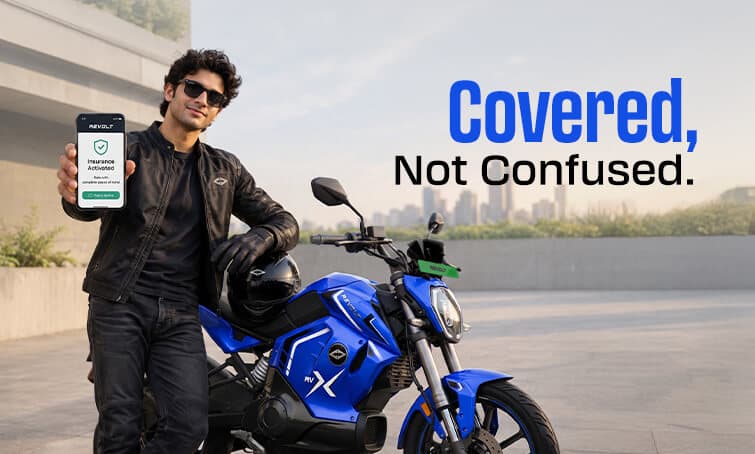
Insurance is one of the more confusing parts of buying an electric motorcycle for first-time EV owners, partly because there's a lingering myth that electric vehicles are treated differently under Indian insurance law. They're not, in the sense that matters most: third-party insurance is legally mandatory for every registered motor vehicle, electric or petrol. Our earlier coverage on whether you need electric bike insurance covers the legal basics; this goes further into what coverage actually includes and how to choose the right policy for an EV specifically. Third-party insurance is the legal minimum, it covers damage or injury you cause to another person or their vehicle, but nothing on your own bike. Comprehensive coverage adds protection for your own vehicle against theft, accident damage, and often fire or natural calamity, at a higher premium. For a vehicle with an expensive battery pack, the gap between third-party and comprehensive coverage matters more than it might for an equivalent petrol bike, since battery replacement costs are typically the single largest repair expense an EV owner could face. This is worth checking explicitly with your insurer rather than assuming. Some comprehensive policies cover battery damage from accidents or fire as standard, while others require an add-on rider specifically for battery protection. Given that the battery pack is often the most expensive single component on an electric motorcycle, confirming this coverage detail before you finalize a policy is worth the extra few minutes, and it's one of the first questions worth asking any insurer you're comparing. The insured declared value (IDV) of the bike, which is generally higher for EVs given battery costs The specific model and its claims history across the insurer's book Your chosen coverage type and any add-ons like zero-depreciation or battery protection riders Your city and its associated risk profile in the insurer's underwriting No-claim bonus accumulated from previous policy years, if you're renewing rather than buying fresh Beyond the base comprehensive policy, a few add-ons are worth evaluating specifically for an electric motorcycle. Zero-depreciation cover ensures you're reimbursed the full replacement cost of parts rather than a depreciated value, which matters more for an EV given how much of its value sits in the battery pack. Roadside assistance is also worth having, particularly if you're new to EV ownership and want support in case of a charging or range-related issue on the road, not just a mechanical breakdown. You can't complete RTO registration on a new electric bike without valid insurance in place, it's a prerequisite step, not something you arrange afterward. Our guide to RTO rules in India for electric bikes walks through the full registration sequence if you're buying for the first time, including exactly where insurance fits into that process. Both are legitimate routes. Buying directly from an insurer's website or app can sometimes be cheaper, while arranging it through your dealer at the point of purchase is often more convenient since it's bundled into the same paperwork. Either way, compare the actual coverage terms, not just the headline premium, before deciding. It's also worth factoring insurance into your total cost of ownership using Revolt's electric bike savings calculator, which accounts for running costs beyond just the purchase price. Models like the Revolt RVX and Revolt RV400 carry different insured values depending on variant, so get an exact premium quote for your specific model before budgeting. Once your policy is active, keep documentation of any battery-related service or health checks, since insurers may ask for this history in the event of a claim involving the battery pack specifically. At renewal time, compare quotes again rather than auto-renewing by default, premiums and available add-ons shift year to year, and a policy that was competitively priced when you first bought the bike may not remain the best option a year or two later.Third-Party vs Comprehensive: What's the Difference
Does Battery Damage Get Covered?
What Affects Your Premium
Useful Add-Ons Worth Considering
Registration Requires Insurance First
Buying Online vs Through Your Dealer
Renewal and Claims: What to Keep in Mind