

Delhi EV Policy 2.0: Everything You Need to Know Now!
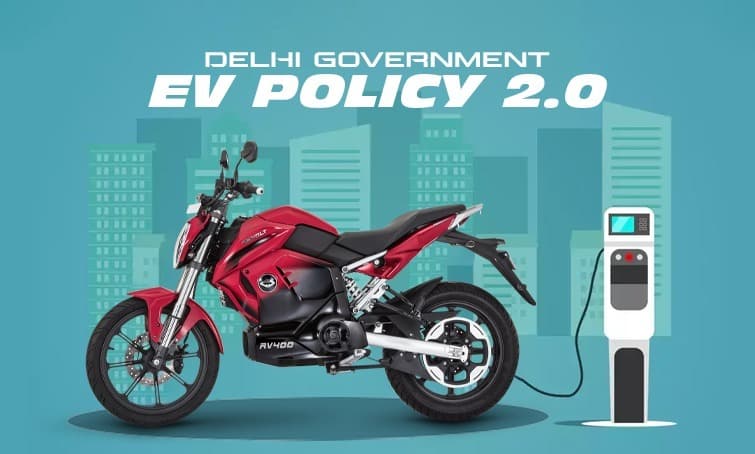
Remember a time when electric vehicles felt like a distant dream? A fancy idea reserved for tech hubs and sci-fi movies. But in Delhi, that dream has been quietly rolling onto our streets—charging stations near metro stops, more e-bikes zipping through traffic, and fewer pitstops at petrol pumps.
Now, the city is looking to shift gears. Enter the Delhi EV Policy 2.0—an upcoming plan that’s set to supercharge this movement. Whether you’re considering an electric ride for your daily commute or just curious about what’s changing, here’s everything you need to know in plain terms.
Back in 2020, Delhi introduced its first electric vehicle policy, and it made a big impact. EVs quickly grew to make up over 10% of all new vehicle registrations in the city. But that policy had a time limit—it was supposed to end in 2023 but was extended it through 2025 while continuously working on an even stronger follow-up policy.
That new policy is named as EV Policy 2.0, a new and improved roadmap to EV Policy 1.0 to help make electric vehicle adaption in Delhi more convenient and feasible. Whether you're a daily commuter, a delivery partner, running a business, or just thinking about your first electric ride, this policy is designed with you in mind.
As of May 2025, it’s still waiting for the green light from the cabinet. But once approved, it promises to bring big changes that could make owning an EV easier, more affordable, and more practical than ever.
What’s Different This Time?
More Support for Women Riders
This time, there’s a strong push to bring more women into the EV ecosystem. If you’re a woman buying an electric two-wheeler in Delhi, you could be eligible for:
- ₹12,000 per kWh of battery capacity (up to ₹36,000)
- Additional scrappage incentives for turning in an old petrol scooter or bike
For many first-time buyers, this is a game-changer. Whether you’re heading to college, working in the city, or running your own business, this financial support can significantly lower your upfront cost.
Everyone Gets Help
Don’t worry—if you’re not eligible for the women’s subsidy, there’s still something for you:
- A standard ₹10,000 per kWh (up to ₹30,000) subsidy for most two-wheeler buyers
- Extra savings if you’re scrapping an old vehicle
Electric rides like the Revolt RV Blaze X become even more affordable, giving you a range of up to 150 km on a single charge without breaking your budget.
What About Charging? That’s Getting Easier Too
We’ve all heard the question: “But where will I charge it?” The government’s new target is ambitious:
- 13,200+ public charging stations by 2030
- One charging point every 5 km on major roads
- At least one charger within every 1 sq km in city areas
You’ll also see new battery swapping stations, especially helpful for delivery riders using two- or three-wheelers.
And Parking? That’s Covered Too
If you live in a new apartment or work in a recently built office, chances are you’ll have access to EV charging soon:
- 20% of parking spaces in new buildings will need to be EV-ready
- Existing buildings must dedicate at least 5% of parking to EV charging setups
In short, charging won’t be a luxury—it’ll be part of your daily setup.
It’s Not Just About Private Rides
Commercial Vehicles Get a Boost
Auto drivers, delivery vans, and small cargo vehicles will all benefit too:
- Electric autos: ₹45,000 incentive
- Electric light commercial vehicles: up to ₹75,000 incentive
- Retrofitting and scrappage help if you’re converting or replacing an old CNG/diesel vehicle
If you run a delivery business or drive for work, switching to electric could bring major savings—on fuel, maintenance, and now, even purchase cost.
Training for the Future
Switching to EVs isn’t just good for the environment—it’s also opening up an entirely new job market. From technicians and sales advisors to battery experts and service professionals, there’s growing demand for people who understand electric mobility.
Delhi’s EV Policy 2.0 plans to create over 20,000 green jobs in the coming years. And to make sure people are ready, the government is working with institutions like Delhi Skill & Entrepreneurship University (DSEU) to train young professionals in EV-specific skills.
So EV adoption not only supports in terms of saving environment from pollution, consumers from petrol expenses but to create real job opportunities for people as well.
Saying Goodbye to CNG Three-Wheelers
Delhi is serious about cutting down pollution—and that means making some tough but necessary choices. Under the new policy, no new CNG autos will be registered after August 2025. Even existing ones won’t be renewed after that.
The goal? A full shift toward electric three-wheelers that are quieter, cleaner, and better for the city’s air. It’s a big move, but one that sets the tone for a greener future on Delhi’s roads.
Final Thoughts
Delhi’s EV Policy 2.0 isn’t just about switching what you ride—it’s about changing how the city moves. Whether you’re weaving through morning traffic on your way to work or making deliveries across town, the goal is the same: make clean, reliable commuting the everyday choice, not the exception.
At Revolt, we understand that switching to electric isn’t just about keeping up with the trend—it’s about finding a smarter, more sustainable way to move through the city. Whether you're navigating traffic in South Delhi or looking for a low-maintenance ride that fits your daily routine, our bikes—like the tech-loaded RV400 or the no-fuss RV1+—are built to make that shift easy.
Curious how an electric bike fits into your everyday life?
Take a test ride and experience the difference for yourself. Let the ride do the convincing.