

Do You Need an Electric Bike Insurance? A Comprehensive Guide
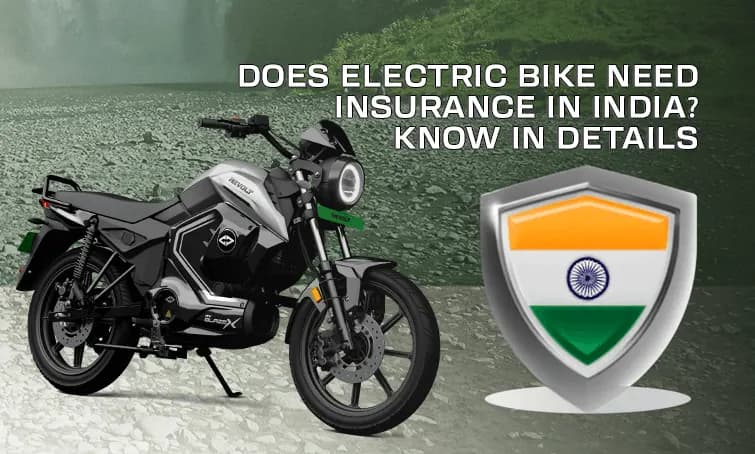
Electric bikes are gaining popularity across Indian cities for their convenience and lower running costs. But while buying an e-bike feels like a smart move, many are unsure about the legal and practical side of owning one. One question that often comes up is: Do you need insurance for your electric bike? Knowing the answer is essential if you want to stay protected against unexpected costs.
So, before you skip past it or assume your low-speed e-bike is too basic to insure, it’s worth knowing what this insurance really offers.
Now, to help you get a better grip on this topic, here’s a complete breakdown of how electric bike insurance works, why it matters, and how you can pick the right plan for your needs.
Why Electric Bike Insurance Should Be On Your Checklist
Insurance for an electric bike offers a safety net in case of accidents, theft, or third-party liability. Even a small mishap can cost thousands, especially if the bike has advanced features. This is where insurance steps in and saves you from paying out of pocket.
For bikes with high-speed capacity or powerful motors, having insurance is not optional. It's legally required. And even if your bike doesn’t fall under that category, insurance still makes sense. It adds a layer of security that protects your investment over time.
Some models come with smart displays, digital locks, and expensive battery units. For example, RV Blaze X has tech-enabled parts that are costly to repair. Insurance ensures these aren’t financial setbacks in case of damage or malfunction.
Electric Bike Insurance and Legal Rules in India
Not all electric bikes need insurance, but many do. In India, the Motor Vehicles Act treats e-bikes differently based on power and speed. If your e-bike crosses 250W power or can go faster than 25 km/h, it needs registration, a licence, and insurance.
That answers the common query: does electric bike need insurance in India? Yes, if it meets the motor vehicle threshold. Low-speed, non-motorised variants are exempt from mandatory insurance. But even then, opting for coverage offers long-term peace of mind.
For buyers unsure about their bike’s specs, the dealership usually shares whether insurance is required. Still, voluntary coverage is useful even when the rules don’t demand it, especially if the bike is your daily ride.
Types of Electric Bike Insurance Plans You Can Choose
Most insurance plans for e-bikes fall under two categories: third-party and comprehensive. Each one serves a different purpose, and the choice depends on your usage and risk level.
Third-party insurance is basic and covers only the damage or injury caused to others. It doesn’t include any damage to your own bike. Many new riders often wonder, does electric bike need insurance in India? The answer depends on the bike’s specifications and whether it meets the criteria for mandatory third-party cover.
Comprehensive insurance gives a much wider cover. It includes third-party damage as well as protection for your own bike against theft, fire, natural disasters, and accidents. Riders who use their e-bike regularly should consider this plan for broader protection.
Coverage You Get with Electric Bike Insurance
A standard electric bike insurance policy typically covers accidental damage, theft, and third-party legal claims. This helps reduce the financial impact in situations where the bike is stolen or damaged due to a collision.
Policies often include personal accident coverage for the rider, which is useful if the accident leads to medical expenses. Some insurers also offer optional add-ons like zero depreciation, roadside assistance, or coverage for specific accessories.
For feature-rich models like RV Blaze X, which comes with advanced suspension and electronic controls, comprehensive insurance ensures you don’t lose money on repairs that can cost more than expected.
What Affects the Cost of Your Premium
Premium costs for electric bike insurance vary depending on the bike’s price, motor specs, age, and city of registration. In high-traffic cities, premiums tend to be higher because the risk of accidents and theft increases.
A new electric bike with a high-capacity battery and built-in electronics will naturally carry a higher insurance cost. However, some insurers offer discounts for renewal without claims or bundling add-on services.
If you choose a voluntary deductible, you might get a lower premium. But that also means bearing a portion of the claim amount during settlement. So it’s better to strike a balance between affordability and adequate coverage.
How to Buy Electric Bike Insurance Online
Buying electric bike insurance is a quick and straightforward process if done online. Start by visiting the insurance provider’s website or a policy aggregator platform. You’ll need your vehicle details and personal ID proof to begin.
Select whether you want a third-party or comprehensive plan. You can also customise coverage by adding personal accident protection, roadside help, or theft coverage. Once done, just make the payment and download your e-policy instantly.
Make sure to cross-check the policy inclusions and exclusions before finalising the plan. Read the terms clearly, especially if you ride the e-bike across different cities or use it for commercial delivery.
Renewing and Managing Your Policy Yearly
Insurance isn’t a one-time task. You’ll need to renew your electric bike insurance every year to keep your coverage active. Most insurers send reminders a few weeks before the expiry, but it’s good to set your own alerts too.
Keeping the policy updated ensures your claims are processed without any trouble. A lapse in policy, even for a few days, can lead to rejection or force you to buy a new policy from scratch. That also means losing any No Claim Bonus benefits.
If your usage pattern changes, such as shifting to daily office commutes or moving cities, inform your insurer. Updating policy details ensures the claim process runs smoothly when needed.
Wrapping Up
Owning an electric bike comes with several benefits, but also certain responsibilities. Choosing the right electric bike insurance ensures you stay financially protected, regardless of the legal requirements.
Even if your e-bike doesn’t fall under the compulsory insurance category, the cost of not having coverage can be much higher. Repair bills, accident claims, or stolen batteries can dent your budget in avoidable ways.
Being insured means you ride stress-free, knowing that if something goes wrong, you’re covered. And for bikes like RV Blaze X that come loaded with high-performance features, it’s always better to be safe than regretful later.