

5 Electric Bikes Giving Petrol Bikes a Tough Fight in Mileage & Cost
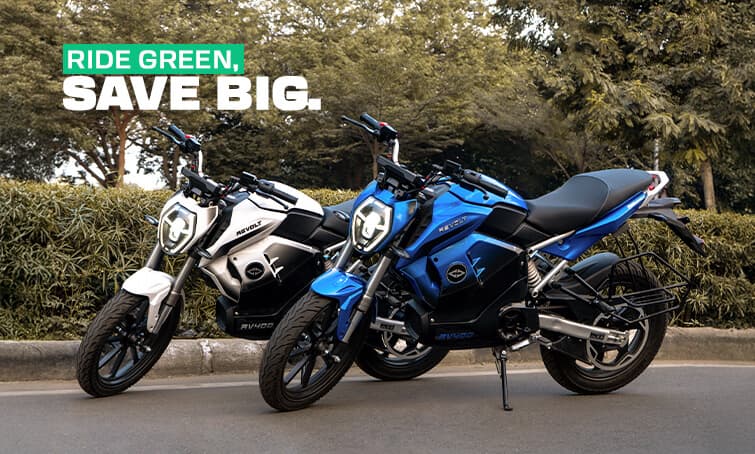
For decades, petrol bikes have been the preferred option for many Indians. But now, many people are preferring electric bikes over petrol-fueled ones.
Which is the exact reason why this comparison between electric bikes vs petrol bikes is here. With charging infrastructure expanding and EV technology becoming more efficient, the gap in practicality has nearly disappeared.
Revolt Motors is now proving that electric motorcycles can outperform fuel-driven ones in both running cost and real-world mileage. Riders are discovering that an electric charge costing less than ₹40 can take them farther than a litre of petrol ever could.
Revolt’s new-generation models: RV1, RV1+, RV BlazeX, RV400, and RV400 BRZ showcase how electric engineering and affordability can coexist without compromise.
Why Electric Bikes Are Winning the Mileage Game?
Electric bikes have redefined what “mileage” means. Instead of kilometers per litre, the key measure is kilometers per charge. For context, Revolt’s models deliver up to 160 km per charge, a figure unmatched by most petrol counterparts in real-world conditions.
In the discussion of electric bikes vs petrol bikes, the difference is stark. While an average petrol commuter bike covers about 60–70 km per litre, electric bikes like the RV1+ can achieve more than double that range per energy unit, at a fraction of the running cost.
Cost Comparison: Charging vs Fueling
When analyzing the cost of an electric bike vs a petrol bike, electricity wins hands down. Charging a Revolt bike fully costs roughly ₹30–₹40, depending on local tariffs, while filling a petrol bike tank costs upwards of ₹500. Over a year, this difference can save a commuter thousands of rupees.
Maintenance costs are also lower with electric bikes, as they have fewer moving parts, no engine oil, and less frequent servicing needs.
Revolt Motors: Leading the Charge
Revolt Motors has emerged as a homegrown leader in India’s electric motorcycle space, offering five practical and performance-driven models. Each model caters to a different rider profile while maintaining reliability, affordability, and modern design.
Below is an overview of how these models stack up in the ongoing battle of electric bikes vs petrol bikes in India.
RV1 – Built for the Daily Ride
The RV1 is Revolt’s entry-level commuter motorcycle, engineered for reliability and economy. It runs on a 2.8 kW mid-drive PMSM motor paired with a 2.2 kWh LFP removable battery, delivering a range of 100 km per charge and a top speed of 70 km/h. The bike uses drum brakes with CBS, telescopic front forks, and twin rear shocks, giving stable control on urban roads.
Designed for practical commuters, the RV1 proves that a petrol bike alternative electric option can easily handle daily traffic while keeping running costs minimal. Its quick 3-hour 15-minute full-charge time makes it ideal for short, repeat journeys across the city.
Explore RV1: Book A Test Ride | RV1 Specification
RV1+ – More Range, Same Everyday Comfort
The Revolt RV1+ extends the practicality of the RV1 with a larger 3.24 kWh NMC removable battery and an impressive 160 km* range per charge. It maintains the same 2.8 kW motor, 70 km/h top speed, and CBS braking, but enhances endurance for longer commutes.
For riders comparing electric bikes vs petrol bikes, the RV1+ highlights how extended range and low maintenance combine to deliver higher efficiency without increasing daily expenses.
Explore RV1+: Book a Test Ride | RV1+ Specification
RV BlazeX – Power Meets Everyday Practicality
Targeted at riders who want more punch, the Revolt RV BlazeX brings performance to the commuter segment. It features a 4.1 kW motor, 180 Nm wheel torque, and a top speed of 85 km/h, with a 150 km range from its 3.24 kWh NMC battery. The bike uses front and rear disc brakes, telescopic suspension, and a 4-hour 45-minute full-charge cycle.
The BlazeX combines sport-level acceleration with the cost advantage of electricity. In the electric bikes vs petrol bikes comparison, it shows how electric mobility can outperform fuel-driven options in both responsiveness and long-term savings.
Explore RV BlazeX: Book a Test Ride | RV BlazeX Specification
RV400 – Smart Performance with AI Integration
As India’s first AI-enabled electric motorcycle, The Revolt RV400 defines innovation in its category. It packs a 4.1 kW mid-drive PMSM motor, 3.24 kWh removable NMC battery, and 85 km/h top speed, accelerating from 0–40 km/h in just 5.2 seconds.
Connectivity features like 4G telematics, GPS tracking, geo-fencing, OTA updates, Bluetooth, and anti-theft immobilization place it far ahead in the electric bikes vs petrol bikes debate. Charging to 80 percent takes 3 hours and 30 minutes, giving riders a high-performance machine with intelligent control and zero emissions.
Explore RV400: Book a Test Ride | RV400 Specification
RV400 BRZ – Simplified Power for Everyday Riders
The Revolt RV400 BRZ shares the RV400’s performance DNA but focuses on pure riding without added connectivity layers. It delivers 85 km/h top speed, 150 km range, and 4.1 kW motor output, powered by the same 3.24 kWh removable battery. With front and rear disc brakes, an upside-down front fork, and a monoshocker rear, it balances comfort and handling.
In real-world terms, the BRZ stands out among electric bikes vs petrol bikes for riders who want robust performance, low running cost, and straightforward maintenance, all in a clean, powerful electric package.
Explore RV400 BRZ: Book a Test Ride | RV400 BRZ Specification
Key Takeaways
Performance & Efficiency:
- Electric torque (up to 180 Nm) offers instant acceleration compared to petrol engines
- Zero clutch and gear operation make city riding smoother
Running Cost Advantage:
- Energy cost per km is nearly one-tenth that of petrol bikes
- Minimal maintenance and no oil changes reduce ownership expenses
Sustainability & Regulations:
- Zero tailpipe emissions align with India’s sustainability targets
- EV-friendly policies and incentives further enhance affordability
Why Choose Revolt?
Revolt makes the electric bikes vs petrol bikes choice simple, it delivers clear, measurable advantages.
- Proven Mileage: 100–160 km per charge with real savings on every ride.
- Smart Tech: 4G connectivity, GPS, geo-fencing, and OTA updates on select models.
- Low Running Cost: A full charge costs under ₹40, far cheaper than petrol refills.
- High Torque: Up to 180 Nm at the wheel for instant acceleration.
- Built for India: Durable suspension, CBS braking, and IP67-rated removable batteries.
With the RV1, RV1+, RV BlazeX, RV400, and RV400 BRZ, Revolt Motors gives riders performance, range, and reliability, making every petrol bike feel outdated.
Final Word
The gap between electric bikes vs petrol bikes is no longer about potential; it’s about results. Revolt Motors has already proven that efficient performance, solid range, and lower ownership costs can coexist. For Indian riders looking at real mileage, long-term savings, and everyday dependability, Revolt stands as the clear answer.