

Electric Scooter vs Electric Bike: Which One Actually Fits You?
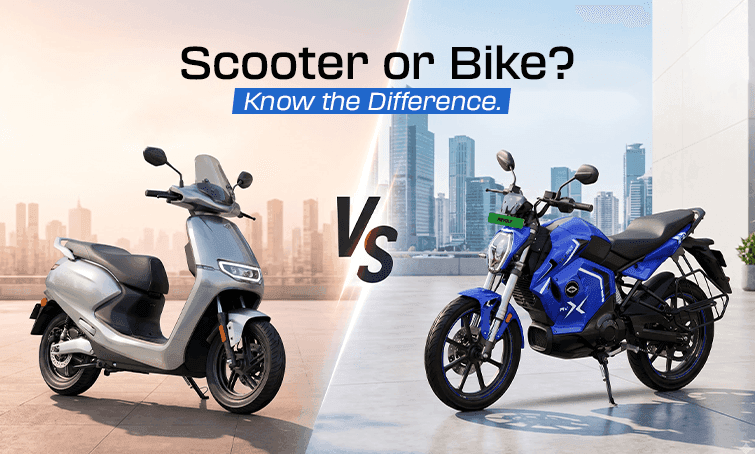
India's electric two-wheeler market has two genuinely different product categories competing for the same buyer's attention: electric scooters and electric motorcycles, often just called electric bikes. They're not simply different body styles of the same thing, they serve meaningfully different riding needs. Here's an honest comparison to help you figure out which one actually fits you.
The Core Difference, Beyond Just Looks
An electric scooter typically has a step-through frame, a flat floorboard, and a more upright, relaxed riding posture, similar to a traditional petrol scooter like an Activa. An electric bike or motorcycle has a traditional straddle-seat frame, more aggressive ergonomics, and generally leans into performance styling and capability. This isn't just an aesthetic choice, it genuinely changes how the vehicle rides, what it's good at, and who it suits.
Riding Feel and Posture
Scooters offer a more relaxed, upright seating position that many riders find more comfortable for stop-and-go city traffic and shorter commutes. Electric bikes, including models like the Revolt RVX, position the rider in a more engaged, sportier stance, generally preferred by riders who want a more involved, performance-oriented feel, or who simply find the traditional motorcycle riding position more natural.
Performance: Where Bikes Generally Pull Ahead
Electric motorcycles typically offer stronger acceleration, higher top speeds, and more capable handling at speed compared to electric scooters in a similar price bracket. This comes down to frame geometry, suspension design, and how the motor and torque delivery are tuned. If performance, confident highway merging, or genuine riding enjoyment matter to you beyond pure commuting utility, bikes generally have the edge.
Practicality: Where Scooters Often Win
Scooters typically offer more usable storage, a flat floorboard for carrying items, and an easier mounting and dismounting experience, genuinely useful if you frequently carry groceries, a bag, or ride in traditional Indian daily-use clothing where a step-through frame is more practical. For pure daily utility and convenience, especially for shorter commutes, scooters often have a genuine practical advantage.
Range and Battery: Fairly Comparable Across Both Categories
Range doesn't consistently favor one category over the other, it depends far more on the specific model and battery size than on scooter versus bike as a category. Both categories now offer options spanning from under 100 km to well past 160 km on a single charge, so range shouldn't be the deciding factor between the two categories themselves.
Price: Also More About the Specific Model Than the Category
Similarly, price ranges overlap significantly between scooters and bikes. You can find capable options in both categories from under ₹1 lakh to well past ₹2 lakh. The category itself doesn't dictate price, the specific model, battery size, and feature set do.
Who Should Choose a Scooter
If your priority is easy daily practicality, a relaxed riding posture, storage convenience, and you primarily ride shorter city distances without much interest in performance, an electric scooter is likely the better fit. This also tends to suit riders newer to two-wheelers generally, or those who simply prefer the traditional scooter riding experience they're already comfortable with.
Who Should Choose an Electric Bike
If you want stronger performance, a more engaging and sporty riding experience, better confidence at higher speeds or on longer commutes, and you don't mind trading some storage practicality for genuine riding character, an electric bike or motorcycle is the better fit. This also tends to suit riders who previously owned a petrol motorcycle and want a similar riding feel in an electric package, rather than switching to a fundamentally different riding posture.
A Third Consideration: Style and Identity
For a lot of younger riders specifically, especially the growing Gen Z segment choosing electric two-wheelers, the decision genuinely comes down to how the vehicle looks and feels as a personal statement, not just functional comparison. Electric bikes tend to carry a more distinct, individual visual identity, which matters more to some buyers than pure practicality metrics.
What Owners Actually Say After Switching Between the Two
A pattern worth noting from real owner feedback: riders who switch from a scooter to a bike often mention feeling more "in control" at higher speeds and during overtaking, while riders who switch from a bike to a scooter frequently cite reduced fatigue on very short, frequent trips as the standout benefit. Neither reaction suggests one category is universally better, they reflect how differently the two riding positions and characters suit different use patterns, and it's worth weighing your own likely reaction based on your current riding habits rather than assuming your preference will match a friend's experience.
A Practical Test Before You Decide
If you're genuinely torn between the two categories, the most reliable way to decide isn't more research, it's arranging back-to-back test rides of a representative scooter and a representative bike on the same day, ideally covering a route similar to your actual daily commute. Riding feel differences that seem abstract when reading spec sheets or comparison articles become immediately obvious in person, and most undecided buyers find the choice becomes clear after this kind of direct comparison rather than after additional reading.
Our Honest Take
Neither category is objectively better, they're built for different priorities. If you're still unsure, think about your actual daily use case first: are you mostly making short trips with cargo or errands, or are you looking for a vehicle that's genuinely enjoyable to ride and makes a statement while doing it? That answer, more than any spec sheet comparison, should guide your choice.
Book a test ride of the RVX to feel the electric motorcycle side of this comparison firsthand.
Conditions apply. Figures marked with an asterisk are claimed/rated values based on internal testing under standard conditions. Actual performance may vary depending on riding conditions, road and terrain, load, tyre pressure, rider weight, and riding style.