

Why Gen Z Is Choosing EVs Over Petrol Bikes for City Commutes
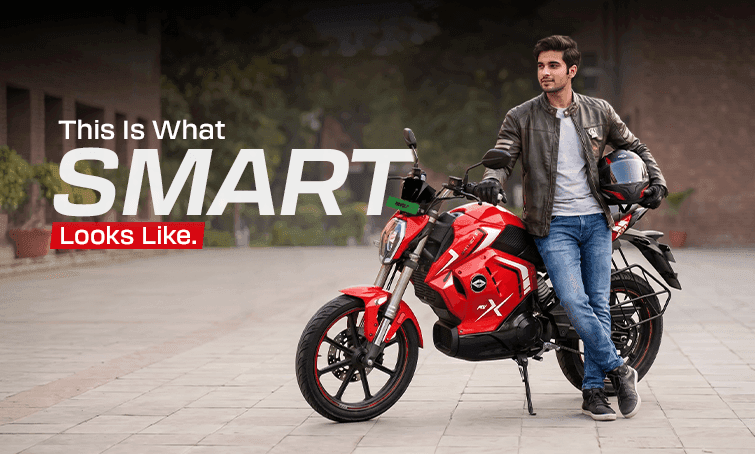
Something genuinely generational is happening on Indian roads right now, and it goes beyond any single brand or model. Riders aged 18 to 30 are choosing electric bikes over petrol commuters at a pace that's reshaping how two-wheeler companies design and market their products. This isn't a trend piece built on assumptions, it's a look at the actual reasons behind the shift, grounded in the practical, financial, and cultural factors genuinely driving the decision rather than surface-level generalizations about an entire generation.
It's Not Just About the Environment
Environmental awareness plays a role, but treating it as the primary driver misses most of the actual story. For Gen Z riders specifically, the shift toward EVs is driven by a combination of practical, financial, and identity-based factors, and the environmental angle is often more of a pleasant bonus than the deciding factor. Understanding the real mix of reasons matters, because it explains why this shift is proving durable rather than a passing trend tied to a single news cycle.
Reason Taxes As Applicable One: The Math Genuinely Works
Gen Z riders, many managing tight budgets between education, early-career income, and rising city living costs, are unusually price-sensitive to recurring expenses. Petrol price volatility has made fuel cost a real, recurring anxiety for daily commuters. Switching to an electric motorcycle removes that specific anxiety almost entirely, replacing an unpredictable weekly fuel expense with a small, predictable electricity cost. For a generation raised on subscription pricing and predictable monthly costs for everything from streaming to phone plans, this predictability itself is a genuine selling point, not just the savings amount.
Reason Two: Technology Expectations Have Shifted
This generation grew up with smartphones that update themselves, apps that sync across devices, and expectations that any "smart" product should be genuinely connected. A purely mechanical petrol bike increasingly feels dated against that backdrop, no app connectivity, no over-the-air updates, no smart security features. Electric bikes, built around connected platforms from the ground up, meet an expectation this generation simply didn't have for previous vehicle categories. A bike that can be checked, located, and partially controlled from a phone fits naturally into how this generation already interacts with everything else they own.
Reason Three: Maintenance Fatigue Is Real
Ask any petrol bike owner about their most recent unexpected repair, and you'll usually get an immediate answer, a worn clutch plate, a carburetor issue, an oil leak. Gen Z riders, many of whom are managing a vehicle purchase independently for the first time without a family mechanic relationship built over years, are drawn to the comparative simplicity of EV maintenance, fewer moving parts translating directly into fewer unexpected repair bills and less time lost to servicing. For a generation juggling classes, early jobs, and tight schedules, time lost to unplanned repairs carries a real cost beyond just the repair bill itself.
Reason Four: Design No Longer Means Compromise
Early electric bikes in India often looked distinctly like electric bikes, utilitarian, obviously different from petrol equivalents, sometimes at the cost of genuine style. That's changed considerably. Bikes like the RVX are built with genuinely sporty, aggressive design language that competes directly on looks with petrol alternatives, removing what used to be one of the biggest objections young buyers had toward EVs specifically. Style is not a secondary consideration for this demographic, it's frequently one of the first filters applied when evaluating any purchase, vehicles included.
Reason Five: Social Proof Compounds Quickly
Once a critical mass of riders in a city or college campus switches to electric, the visible presence of EVs on the road normalizes the choice for everyone else considering it. Gen Z, more than any previous generation, makes purchasing decisions informed by visible peer behavior, seeing electric bikes parked outside a favorite cafe or campus building does more to normalize the choice than any advertisement could. This compounding effect is part of why EV adoption in this age group tends to accelerate rather than grow steadily once it reaches a certain visibility threshold in a given city or campus.
What This Means for the Two-Wheeler Market Going Forward
This shift isn't a temporary trend tied to a fuel price spike, it reflects a genuine generational recalibration of what riders expect from a daily commuter vehicle: predictable costs, real connectivity, low maintenance, and design that doesn't feel like a compromise. Manufacturers that treat electric as a checkbox feature rather than a complete rethink of what a bike should be are likely to fall behind as this generation becomes the dominant two-wheeler buying demographic over the coming years.
The Role of College Campuses in Accelerating Adoption
College campuses deserve particular attention in this shift, since they function as unusually concentrated environments where visible peer behaviour spreads quickly. A college student's own experience switching to an electric bike tends to influence roommates, classmates, and friend groups in a way that's harder to replicate in more dispersed adult commuter populations. This is part of why campuses often show electric bike adoption rates that outpace the surrounding city, and why manufacturers increasingly treat this demographic as a genuine leading indicator rather than just one customer segment among many.
What Brands Get Wrong When Marketing to This Generation
A common misstep among brands trying to reach Gen Z riders is leading exclusively with environmental messaging, assuming that's the primary motivator. As covered earlier, it's a contributing factor but rarely the deciding one. Brands that instead lead with the practical and identity-driven reasons, genuine cost predictability, real connected features, design that doesn't compromise on style, tend to resonate far more effectively with this audience than purely sustainability-focused messaging alone.
The Generational Contrast Worth Noting
It's worth contrasting this with how previous generations typically approached a first vehicle purchase, often prioritizing whatever a trusted family mechanic recommended, or whichever brand had the longest track record in the family. Gen Z's approach, informed more by peer visibility, online research, and direct hands-on comparison through test rides, represents a genuinely different decision-making process, one that rewards brands able to earn trust quickly through transparency rather than relying purely on legacy reputation.
Looking Ahead: What This Shift Signals
If current adoption patterns continue, the coming years are likely to see electric bikes shift from being a considered alternative to simply the default choice for younger first-time buyers, in the same way smartphones shifted from novelty to default over a remarkably short window. Brands and dealerships that recognize this shift early, and build their offerings and messaging around it, are best positioned to benefit as this generation moves fully into its prime vehicle-buying years.
Want to see what all the shift is about firsthand? Book a test ride and experience it yourself.