

How Long Does an Electric Two-Wheeler Battery Last?
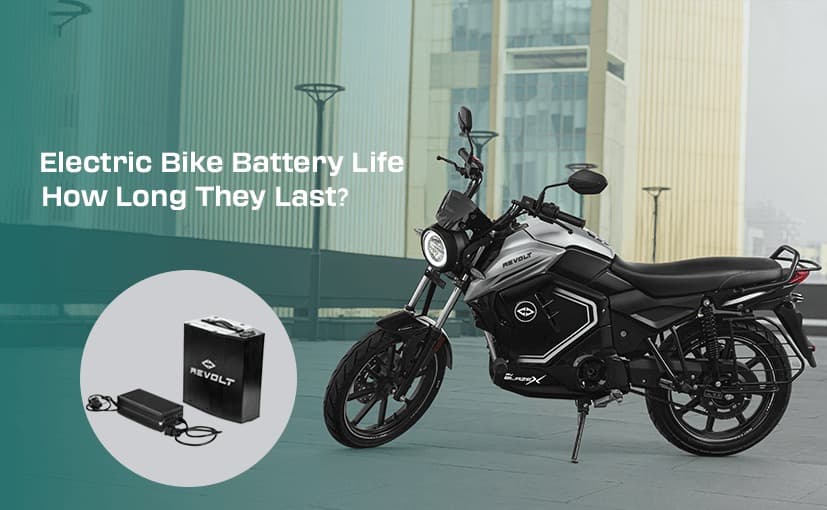
Imagine waking up, unplugging your electric bike, and riding out without worrying about fuel prices, oil changes, or smoke-filled mornings. Sounds perfect, right? That’s the freedom electric mobility promises—and at the heart of it all is the battery.
If you're wondering how long an electric bike battery lasts, you're not alone. It’s one of the first questions most new riders ask. Because, let's face it, your battery is the brain and heart of the machine. So today, let's talk about real electric bike battery life, how to take care of them, and why the Revolt RV1 Plus is made to keep going strong.
What Does Battery Life Even Mean?
Battery life is not just about how long your bike runs per charge (that’s range). It’s about how many years or full charges your battery can handle before it slowly holds less power. It won’t stop working, but it won’t last as long on a single charge. It won’t go as far on a full charge as it once did. Electric bike battery life really comes down to:
- How many full charges can it take
- How long does it last if you use it every day
- How to keep it running well for longer
Also Read: Best Battery Technologies Used in Electric Bikes
Let’s Talk Charging Cycles
Here’s the scoop: every time you charge your electric two-wheeler battery from 0 to 100%, that’s one charging cycle. Most high-quality lithium-ion batteries, like the ones we use at Revolt Motors, are built to handle up to 1,200 cycles.
That usually translates to around 4–5 years of solid performance—often more with good care. Now, if you only charge your bike from 50% to 100%, that’s half a cycle. So technically, you're using it even more gently, extending its life.
Fun fact: Some batteries can go up to 1,500 cycles before showing any major performance drop.
What Impacts Battery Life?
Many riders think it's just about usage. But the truth is that several factors influence how long your electric bike battery stays strong. Here’s what matters:
1) Battery Type
Modern lithium-ion batteries outperform older tech by a mile. They’re lighter, more efficient, and last longer. We equip the RV1 Plus with a 3.24 kWh lithium-ion battery using advanced NMC chemistry.
So, if you’re researching the best electric bike battery capacity, that’s a great place to start.
2) Charging Habits
Charging from empty to full every time? Not ideal. It’s better to top up your battery between rides at 30–70%. And no, you don’t need to fully drain it before recharging. That’s a myth.
3) Storage Conditions
Extreme heat or cold affects battery health. The ideal? Store and charge it in a dry space around 10–25°C. The IP67-rated RV1 Plus battery also protects against water and dust—another reason it’s a rider’s favourite.
4) Usage Style
It all adds up with stop-and-go traffic, high-speed sport mode, and frequent two-up riding. But don’t worry; your battery is built for real-world use. Just remember gentler riding = longer battery life.
Also Read: How to Measure Electric Bike Performance Metrics
Warning Signs Your Battery is Ageing
- Reduced range even after a full charge: If your electric bike used to go 70 km on a full charge but now barely manages 40–50 km, your battery is likely wearing out. Over time, lithium-ion cells lose their ability to hold the same amount of energy. This reduction happens naturally, but if the drop is sharp, it’s a clear sign the battery’s performance is fading.
- It takes longer to charge: A healthy battery charges relatively quickly and efficiently. But as it ages, the internal chemistry becomes less responsive. This means your charger has to work harder and longer to top it up. If your usual 4-hour charge time suddenly becomes 6 hours or more, it’s time to check the battery's condition.
- Sudden drops in charge percentage: Ever seen your battery go from 80% to 30% in a few minutes of riding? That’s called voltage sag and it's a red flag. This usually means one or more of the battery cells are weakening or out of balance, making your charge readings unreliable. It can also lead to unexpected shutdowns mid-ride.
- Noticeable heat while charging or riding: Some warmth is normal during charging or heavy use. But if the battery gets hot to the touch—especially when riding short distances or charging at regular speed—it’s a sign of internal strain. Excessive heat can damage the battery further and even become a safety risk, so it should never be ignored.
These are signs that your battery might be reaching its twilight years. But with Revolt, you're suitable for several years before you need to think about replacements.
So, How Long Does the RV1 Plus Battery Last?
Great question. The Revolt RV1 Plus has a 3.24 kWh removable lithium-ion battery, built using high-grade NMC cells and backed by innovative Battery Management Systems (BMS). The Battery Management System (BMS) in the Revolt RV1 Plus plays a crucial role in protecting your battery's long-term health. It works by monitoring and balancing each individual lithium-ion cell, ensuring they all charge and discharge evenly. This prevents weak cells from degrading faster than others.
The BMS also includes safety protocols that stop the battery from overcharging or dropping below safe voltage levels. Overcharging can lead to overheating and damage, while over-discharging can permanently reduce capacity. By maintaining this balance and guarding against extremes, the BMS extends the battery’s lifespan and keeps your ride safe and reliable.
Here’s what makes it stand out:
- Up to 1,200 charging cycles = approx. 5 years of life
- Fast charging: 0–80% in 80 minutes
- Real-world range: Up to 160 km per charge
- IP67 waterproofing
- Passive cooling system for safe, stable performance
- Impressive 5‑year (or 75,000 km) battery warranty
In short, it’s designed to keep going long after other batteries give up. And when is it finally time to replace it? The Revolt electric bike battery price is transparent, affordable, and designed to make switching seamless.
The Real Value of a Great Battery
Let’s talk money—because we know it matters. When people ask about electric bike battery prices, they ask: “Is it worth it?”
The answer is yes. Here's why:
- You save on fuel from day one: The moment you switch from petrol to electric, you're already cutting your daily travel costs. Charging an electric bike costs just a few rupees per full charge, especially when compared to refuelling a petrol bike weekly. Over the span of a year, that adds up to thousands in savings.
- No oil changes, filters, or spark plugs: Traditional bikes require regular oil changes, air filter replacements, and spark plug maintenance—expenses that pile up over time. Electric bikes don’t need any of that. With fewer moving parts, your maintenance schedule (and your service bills) shrink dramatically.
- Less frequent service visits: Since there’s no engine or complex gearbox, your bike faces fewer mechanical wear-and-tear issues. That means fewer garage visits, no unexpected breakdowns, and less time off the road. With a good battery and BMS system, the motor and electronics stay protected and reliable.
- Cost per km is a fraction of petrol: On average, a petrol bike may cost ₹1.5 to ₹2 per kilometre in fuel alone. An electric bike like RV1 Plus runs at just 25–30 paise per kilometre—almost 5–7x more efficient. Multiply that over 20,000 or even 50,000 km, and the savings become significant.
So, while there’s an upfront cost, the long-term savings make switching to electric one of the smartest financial decisions.
And at Revolt Motors, our goal is to give you top-tier performance at value-driven pricing. Our RV1 Plus is India's first electric commuter bike built around this principle.
How to Make Your Battery Last Even Longer
Here are some tips to stretch your battery life even further:
Charge at room temperature
Extreme heat or cold can stress the battery and reduce its long-term capacity. Always try to charge your bike in a shaded, dry area where the temperature stays between 20°C and 30°C. Avoid charging outside in the peak sun or in freezing conditions.
Avoid charging to 100% daily—stop at 80–90% when possible
While it’s okay to charge fully now and then (like before a long ride), doing it every day can wear the battery faster. Try to unplug at 80–90% for regular commutes. It keeps the battery cells healthier for longer and reduces long-term degradation.
Don’t store the battery empty or full
If you’re not riding for a few days or weeks, don’t leave the battery fully charged or completely drained. Both extremes put stress on the cells. Instead, keep it around 50–60% and store it in a cool, dry place.
Use only the original Revolt charger
Your bike’s charger is designed specifically for the battery's voltage and BMS. Using third-party or incompatible chargers may cause overcharging, uneven cell distribution, or even thermal risks. Stick with the official Revolt charger to keep things safe and efficient.
Clean the battery ports gently—no water jets!
Keeping your charging port clean is important, but never use water directly. A soft, dry cloth or gentle air dusting is enough. Never spray water or use high-pressure cleaning near the battery—it risks short-circuiting or damaging the sensitive connectors.
Check health stats regularly with the MyRevolt App
Your MyRevolt app gives you real-time updates on battery status, charge cycles, and temperature. Use it often. Monitoring these stats helps you spot any unusual patterns early and stay on top of your battery’s health.
Avoid physical damage or accidental drops
Dropping your battery, even once, can damage internal cells or disrupt the BMS. Similarly, road impacts or accidental mishandling can reduce performance or even create safety risks. Always secure the battery firmly and handle it with care.
Also Read: How Far Can an Electric Bike Go on a Single Charge?
What About Winter or Long Breaks?
Planning to park your bike for months? Keep the battery charged to around 60%, and check every 6 months. If it drops below 30%, top it up. Avoid leaving it on the charger continuously. And if possible, store the battery indoors, not on the bike.
Does Battery Position Matter?
Short answer: No. The position doesn't affect battery life, whether under the seat, inside the frame, or on a rack. Handling does. What does matter is protection and placement, and at Revolt, we’ve engineered battery positioning to balance both performance and safety.
Final Thoughts
So, how long does an electric two-wheeler battery last? If you’re riding the RV1 Plus, you’re looking at years of smooth, worry-free rides—with up to 1,200 charge cycles, smart tech, and one of the segment's best electric bike battery capacities.
And when does the time come to replace it? Our Revolt electric bike battery price ensures your journey continues affordably. So why settle for the ordinary when the future is built to last? Ride smarter. Ride longer. Ride with Revolt and book an RV1+ test ride. Explore the RV1 Plus and experience the power of long-lasting battery tech.