

Can You Ride an Electric Bike in the Rain? Myths vs Facts
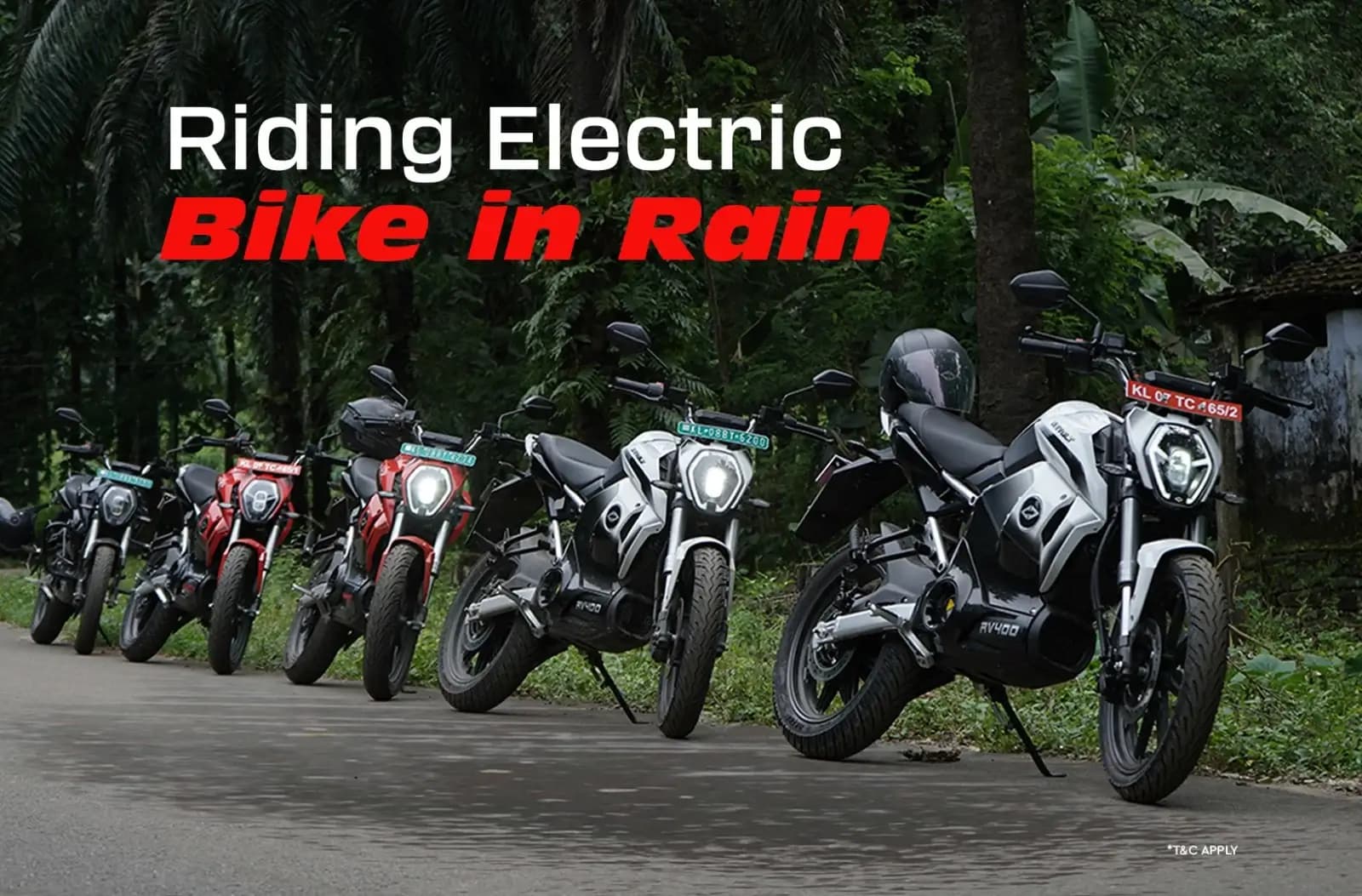
Bike riding in the monsoon often brings up one big question: Can electric bikes handle the rain? Whether you're commuting to work or planning a weekend trip, it's natural to worry about slippery roads, battery issues, or getting stuck halfway. Let’s clear the air around these doubts and separate myths from real facts, so you can decide what’s best for your ride.
So, here are some common myths and facts that clear the air around bike riding in monsoon and how electric bikes actually perform when the rain sets in.
Breaking Down the Myths Around Bike Riding in Monsoon
Myth 1: Electric Bikes Can’t Handle Water
Many assume that a splash of rain can harm the internal systems of an electric bike. This myth likely comes from the visible battery pack or exposed motor.
In truth, most electric bikes are built with weather resistance in mind. They are water-resistant, not waterproof. This means they can handle rain, puddles, and surface moisture but shouldn’t be submerged. During bike riding in monsoon, basic care, like wiping down the bike post-ride, helps maintain performance.
The RV400, for instance, comes with IP67-rated components. This means light showers or wet roads won’t interrupt your daily rides.
Myth 2: Riding in the Rain Will Reduce Battery Life
Some believe monsoon weather can degrade battery performance faster. While batteries don’t love extreme heat or long water exposure, day-to-day rain doesn't typically damage them.
Battery casings are sealed and insulated to keep out moisture. Charging should always be done indoors, away from wet surroundings. Riding in light to moderate rain doesn’t pose a threat to battery life when you're mindful of storage and charging habits.
Choosing a dry spot for parking and keeping the charging port covered when not in use is usually enough to stay on the safe side.
Myth 3: Slippery Roads Are Too Risky for Electric Bikes
Electric bikes often have smaller wheels and quick torque delivery, which makes some riders hesitate on wet surfaces. But handling is more about how you ride than what you ride.
Braking early, reducing speed, and avoiding sharp turns make any bike ride safer during rain. Monsoon roads are unpredictable, so it’s smart to avoid muddy shortcuts or painted surfaces when wet. This caution applies to all two-wheelers, not just electric ones.
The RV400’s regenerative braking system helps recover energy every time the rider slows down, making deceleration more controlled, especially useful during stop-and-go traffic on wet roads. Its dual disc brakes, supported by CBS, distribute braking force evenly for better grip and safety. Combined with wide 17-inch tubeless tyres and 200 mm ground clearance, the bike maintains balance and traction even on slick, rain-soaked city streets.
Myth 4: You’ll Get Shocked Riding in Rain
The word ‘electric’ often makes people think of shock risks. In reality, electric bikes follow strict safety standards. Their wiring is protected, connectors are shielded, and the flow of electricity is designed to stay well within the system.
Riding in the rain doesn’t increase the risk of electric shock. Manufacturers design the bike’s power components to stay insulated under different weather conditions. The systems are no different from the electronics in your car or smartphone, safe when used as intended.
If the bike is already damaged or tampered with, that’s a different case entirely.
Myth 5: Electric Bikes Aren’t Built for Long Rainy Rides
This myth likely comes from older models or early e-bike concerns. But modern e-bikes are built for endurance. With improved battery range and higher IP ratings, many now serve as everyday transport, including during monsoon months.
The best bikes for long rides aren’t limited to petrol anymore. Electric bikes with solid construction, wider tyres, and sufficient ground clearance are now part of the same list.
Long bike riding in monsoon demands planning, carrying a raincoat, wearing bright gear, and packing a power bank if you rely on phone navigation. Monsoon rides don’t need to be short if your bike is equipped for them.
Myth 6: Electric Bikes Can’t Be Trusted on Indian Roads
Potholes, flooded streets, and stalled traffic often shape the fear that electric bikes may not be tough enough. But road challenges exist for all types of vehicles. How a bike is built makes more of a difference than how it’s powered.
Sturdy suspension, reinforced frames, and balanced weight distribution can handle typical road conditions, rain included. A rider’s awareness of the route, their braking habits, and tyre pressure checks play a huge role in overall safety.
Best riding bikes in the electric category now consider Indian infrastructure in their design approach.
Myth 7: Maintenance Gets More Complicated in Rain
Another concern is that bike riding in monsoon increases the need for repairs or tune-ups. While it’s true that regular care helps during the monsoon, the checklist remains simple.
After every wet bike ride, drying the bike, checking brake pads, cleaning the chain, and inspecting the tyres is often enough. Water accumulation near the battery or controller area should be avoided. But this applies to petrol bikes too.
If anything, electric bikes are easier to clean due to fewer moving parts and the absence of an exhaust system.
Myth 8: Electric Bikes Aren’t All-Weather Machines
The idea that electric bikes are fair-weather vehicles is slowly shifting. Riders now explore city roads, highways, and country lanes regardless of the forecast.
With enough ground clearance, a proper tyre grip, and sealed electronics, an all weather electric bike is already a reality in India. It’s less about category and more about the specific build. Not every electric bike will be ready for harsh conditions, but the good ones don’t shy away from rain.
Among new-gen e-bikes, the best riding bikes have started proving their worth across seasons, not just in dry climates.
Wrapping Up
Riding electric bikes in the rain isn’t a wild idea anymore. The monsoon just calls for a few extra precautions, not a halt. Bike riding in monsoon becomes smoother when the rider is informed, alert, and paired with the right machine.
As the roads get washed clean and the air smells fresh, riding doesn’t need to pause. Just ride smart, gear up right, and stay dry where it counts.
Still waiting for clear skies? Don’t.
Book a test ride with Revolt Motors and see how electric rides through every season.
Also Read:
6 Tips to Prepare Your Bike for Monsoon | Ride Smart
The Best Electric Bikes in India for Eco-Friendly Riders
Mastering Off-Road Riding: Tips for Adventurous Motorcyclist's
Are Electric Motorcycles Ready for Indian Roads?