

The Rise of Electric Motorcycles in Tier-2 and Tier-3 Cities
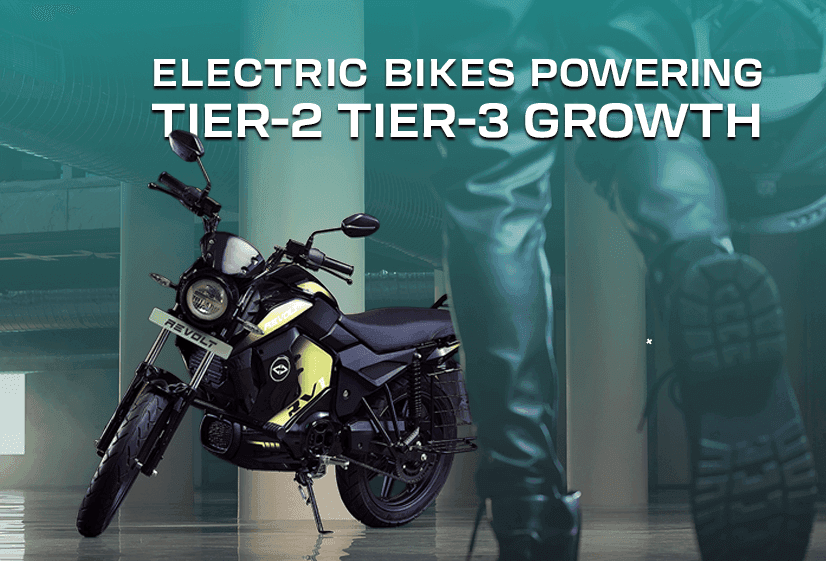
Have you ever wondered why more people in smaller towns are switching to electric motorcycles? It's not just about saving fuel, though that's a big win. It's about freedom. Ease. And the joy of never stopping at a petrol pump again.
We get it. Life in tier-2 and tier-3 cities is unique. Your day might start with a ride to the mandi, a dash to college, or even a quick spin to the clinic. These aren't long rides, but they're essential. And when fuel prices keep climbing, they can burn a hole in your wallet.
So, here's the good news: electric mobility is no longer just for big cities. It's arriving silently and powerfully in your streets, too.
Why Do Electric Motorcycles Make So Much Sense Now?
We often assume that big cities lead the tech wave, but here's the surprise: electric motorcycles are booming faster in smaller cities. Why?
More Distance, Less Cost:
Daily riders in smaller cities often travel longer distances to work or markets. With fuel prices on the rise, switching to electric means massive savings. Most commutes in smaller cities are between 5 to 25 km one way. This is ideal for electric bikes, which usually offer 80-150 km on a single charge. Whether it's a daily office commute, visiting the mandi, or running multiple errands throughout the day, you can do it all on one charge—no worries about running low. Plus, charging can be done overnight at home, avoiding queues at petrol stations and reducing dependence on public charging networks.
Better Fit for Narrow and Congested Roads:
Tier-2 and tier-3 cities are growing fast, but infrastructure is still catching up. Roads can be narrow, congested, or even poorly maintained. Electric bikes are lighter, more agile, and far easier to handle in tight lanes compared to bulkier petrol bikes. Their instant torque also means quick acceleration, making overtakes smoother and safer.
Low Maintenance, High Reliability:
Electric bikes have fewer moving parts—no oil changes, no spark plugs, and no complex engine systems. For daily riders, that means fewer visits to the mechanic and fewer surprises on the road. This is a major relief, especially in smaller towns where service centres might be limited.
No More Trips to the Petrol Station:
In areas where petrol pumps aren't always nearby, charging an electric bike at home simplifies life and adds convenience to your daily routine.
Environmental Awareness:
With cleaner air becoming a necessity rather than a luxury, more families are embracing electric bikes to contribute toward a healthier, greener future.
Here's what's pushing this shift:
| Factor | Impact on Electric Bike Adoption in Tier-2/3 Cities |
|---|---|
| Rising Fuel Prices | People are done with petrol pinching their pockets |
| Govt Incentives (FAME, etc.) | Subsidies are making Electric bikes more affordable |
| Charging Infrastructure | More charging stations = more confidence |
| Decreasing Battery Costs | Lower prices, better performance |
| Climate Awareness | People want to go green—even in smaller towns |
| Urban Spillover | Trends from metros are trickling into towns |
The Real Impact - Sustainability
Every time you switch on an electric motorcycle, you're not just starting a journey but making a statement. Here's what we've achieved so far through our Revolt community:
- Total Kilometers Driven: 612,758,992 Kms
- CO₂ Emissions Prevented: 7,397,312 Kg CO₂
- Equivalent Trees Planted: 323,686 Trees
- Fuel Saved (in Rupees): INR 759,821,150
- Fuel Saved (in Litres): 799,811 Litres
Let's be honest; those numbers matter. And they'll matter even more when you become a part of this story.
Eco-Conscious and Economical
Have you noticed how younger people in your city are more vocal about the environment? From plastic bans to clean air movements, this new generation wants sustainable solutions, and their ride is no exception.
But it's not just about being "eco-friendly." It's about daily savings. Imagine spending less than ₹20 for a full charge that takes over 100 km. That's the actual value. And if you're a delivery rider, student, or small business owner, electric motorcycles aren't just good, they're essential.
The Electric Bike Revolution in Smaller Cities
You might think: isn't this just a metro trend? Not anymore. Tier-2 and tier-3 cities are leading the shift. Why?
1) Perfect for Short-distance travel
Most people in smaller towns commute under 25 km per day—whether it's to work, the local market, or school. That's well within the range of most electric bikes, which often offer 60-100 km per charge.
For city rides, you don't need a bulky, petrol-guzzling machine. What you need is zippy, nimble, and cost-effective. And that's exactly what electric motorcycles deliver.
2) Charge at Home, No Petrol Pump Needed
In smaller towns and semi-urban areas, petrol stations might be few and far between. But electricity? You already have it at home, and that's all you need.
Many electric bikes plug into a regular 5A socket. Charging overnight or even during work hours is easy, so you never have to queue at a fuel station again. And with newer e-models offering portable chargers, you can even charge up at your workplace or a friend's home.
3) Low Maintenance, No Fuss
Electric motorcycles come with fewer moving parts than their petrol counterparts. That means:
No engine oil to change
No air filters or spark plugs
No fuel lines or carburetors to clean
For daily riders, this is a huge money and time saver. Over a year, electric two-wheelers can cut your maintenance costs by up to 40-60%, making them ideal for budget-conscious families.
Government Schemes
If you've been thinking electric motorcycles are too expensive, it's time to recheck. The Indian government has been rolling out aggressive incentives to make electric bikes more appealing:
1) FAME II Scheme
- Applicable in: All states and UTs of India, with active support in Maharashtra, Delhi, Gujarat, Karnataka, and Tamil Nadu.
- What it does: Offers subsidies of up to ₹10,000 per electric 2-wheeler, based on battery size.
- Who benefits: Registered electric two-wheeler buyers using models approved under FAME II.
For example: If you're in Pune or Ahmedabad and buy a FAME II-approved e-bike, your upfront cost could drop by as much as ₹20,000, depending on the model and battery capacity.
2) PLI Scheme
- Applicable in: Pan-India scheme, benefiting manufacturers across Gujarat, Karnataka, Tamil Nadu, and Andhra Pradesh, where battery production hubs are growing.
- What it does: Encourages domestic production of battery packs, motors, and electric components.
- Who benefits: While it's aimed at manufacturers, consumers win too—lower manufacturing costs lead to cheaper bikes for buyers.
3) EMPS (Electric Mobility Promotion Scheme)
- Applicable in: Nationwide, especially in Tier-2/3 cities with emerging EV infrastructure.
- What it does: Directly supports electric two-wheeler purchases through additional subsidies, especially aimed at rural and semi-urban consumers.
- Customer benefit: Helps reduce the effective purchase price, often combined with state-level subsidies for extra savings.
Example: In cities like Raipur, Nashik, or Kochi, this scheme can make an electric bike as affordable as a petrol bike, without the ongoing fuel expense.
And yes, these are being felt strongly in tier-2 and tier-3 cities. Local dealers have even seen customers return within months to purchase a second vehicle for their family!
The Roadblocks
Of course, no road is without its bumps. India has 25,000+ charging stations, but we need nearly 400,000 by 2030 to match the rising electric bike wave. Smaller cities are still catching up when it comes to reliable infrastructure. Battery component imports, especially from China, also make manufacturing cost-sensitive.
And with the older FAME subsidy phasing out, the new PM E-DRIVE scheme might only partially cushion the impact. The incentive is currently ₹10,000 per unit, but post-March 2025, that gets slashed by half.
So yes, momentum is strong, but the support system must keep up.
Exports are a Growing Opportunity
India's electric bike growth isn't just local. In fact, in the first quarter of FY25, the country exported 2,814 electric two-wheelers, outpacing the 1,603 exported in FY24. It's still a tiny slice of the overall market, but the direction is clear: our electric bikes are going global.
So next time you see someone riding an electric motorcycle, it could be a world-class product.
Conclusion
If you're tired of daily fuel expenses, frustrated with rising pollution, or just curious about the electric switch, RV1+ is waiting for you. It's powerful, practical, and proudly made for India's real roads.
Whether you're a student, a shopkeeper, a delivery executive, or a parent dropping kids off at school, electric motorcycles are here to simplify your life. Don't just ride. Ride electric. Ride smart. Ride RV1+
And don't forget the best part—zero emissions and ultra-low running cost. Whether you're commuting to work, running a delivery service, or just want a smarter ride, the RV1+ makes electric motorcycles a no-compromise choice.
At Revolt Motors, we aren't just building electric motorcycles, we're building the future of Indian mobility. And this future isn't just in big cities, it's unfolding on the streets of places like yours. So, are you ready to ride the change?