

RVX Voice Commands: A Tour of the RVX's Tech Stack
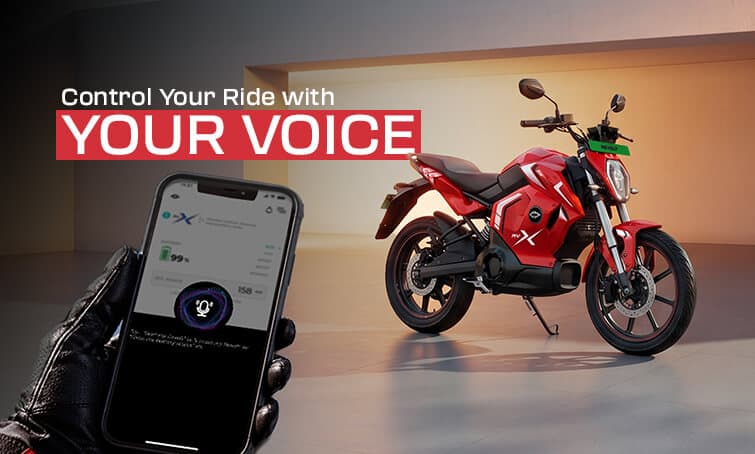
Most people still picture a two-wheeler as a fairly simple machine. Twist the throttle, check the fuel gauge, maybe glance at a basic speedometer. That picture is changing fast, and the Revolt RVX is one of the clearest examples of why. Between voice activation, a full colour dashboard and app-based controls, the RVX is being talked about as one of the best electric bikes in India right now, not just for its range, but for the amount of technology packed into daily riding. This article takes a proper tour through the RVX's tech stack, piece by piece, so you know exactly what is under the hood before you decide if it is the right choice among the best electric bikes in India available today. A lot of electric bikes on the market today focus mainly on battery size and range, treating everything else as a secondary detail. The RVX takes a different approach, and this is exactly the kind of thinking that separates the best electric bikes from ordinary commuter models. It is built around a genuinely connected system, where the dashboard, the mobile app and voice activation all work together rather than existing as separate add-ons. This matters because it changes how the bike actually feels to use every day. Instead of a basic display that only shows speed and battery percentage, the RVX gives riders a proper information hub, along with the option to control several functions using just their voice through Revolt's connected platform. For anyone comparing an RVX electric bike against other options in a similar price bracket, this combination of features is a big part of what sets it apart. It is less about any single spec and more about how everything is designed to work together, so the rider experiences it as one connected system rather than a collection of separate gadgets bolted on for a marketing brochure. Revolt has built its bikes around the idea of voice-activating your ride rather than reaching for buttons every time. On the RVX, this voice functionality works through the connected My Revolt platform, letting riders manage certain functions without needing to physically interact with the bike each time. This is a genuinely useful feature for a few practical reasons: Hands stay free while getting ready to ride. You can activate certain functions before you even sit on the bike. Less fumbling with buttons in a hurry. For riders who are frequently rushing out the door, this small convenience adds up over time. It fits naturally with how people already use voice assistants on their phones and at home, making the bike feel like a natural extension of everyday tech rather than something unfamiliar. For riders who are used to talking to their phone or a smart speaker at home, this feature does not feel like a novelty. It feels like something that was always missing on a two-wheeler, and it is one of the small details that pushes the RVX towards the top of any list of best electric bikes in India available right now. The system is designed to be straightforward rather than complicated. Riders do not need to memorise long, unnatural phrases or go through multiple menu steps. The voice activation function is built into Revolt's connected ecosystem, working alongside the bike's other smart features like Geo-Fencing and remote immobilization. In practice, this means the technology is not just a gimmick added for marketing purposes. It is part of a broader system where the dashboard, the app and voice control all pull from the same connected backbone, which is part of what makes the RVX feel like a proper EV superbike rather than a basic commuter option with a few extra buttons. Beyond voice control, the dashboard itself is one of the most noticeable upgrades on the RVX. Here is what riders actually get: 3.5-inch PMVA colour display, a clear step up from the monochrome screens found on many commuter-focused bikes in this price range. IP67 rating, meaning the display is well protected against dust and water, which matters a lot during Indian monsoons. Call and message alerts on the cluster, so incoming notifications show up directly on the dashboard instead of forcing you to check your phone at every signal. Riding mode display, showing which of the four modes (Eco, City, Sport or Boost) is currently active, along with real-time speed and battery status. Vehicle locator integration, letting you trigger the headlight or blinker to flash directly from the connected system when trying to spot your bike. Put together, this dashboard does far more than just show numbers. It acts as the central point where most of the RVX's smart features come together, which is a big reason this bike is increasingly mentioned alongside other best electric bikes in India when riders discuss tech-focused options. It is not an exaggeration to say the RVX's overall experience has more in common with a smartphone than with a traditional two-wheeler. Consider the parallels: Software updates arrive through OTA (over-the-air) updates, similar to how a phone receives periodic improvements, rather than requiring a workshop visit for every small fix. The connected app acts as a remote control, similar to how a smart home app manages different devices from one place. Voice activation mirrors how people already interact with assistants on their phones, removing the need to learn something entirely new. The colour dashboard, with its clear layout and real-time alerts, feels closer to a smartwatch display than a traditional analogue speedometer. This comparison is not just a marketing angle. It reflects a genuine shift in how electric bikes are being designed, moving away from being purely mechanical vehicles and towards being connected devices that happen to also get you from one place to another. Voice activation saves a few seconds here and there, but across weeks of daily riding, those seconds genuinely add up, especially during rushed mornings. The dashboard's call and message alerts reduce the temptation to check your phone at traffic signals, which is both safer and less distracting. OTA updates mean the bike can improve over time without repeated trips to the service centre for minor software fixes. The overall connected system makes the RVX feel less like a static purchase and more like a product that keeps evolving, similar to how a phone gets better with updates. For riders who value this kind of ongoing improvement and daily convenience, the RVX's tech stack is arguably as important a buying factor as its motor output or battery capacity, on par with everyday conveniences like Bluetooth calls and music control. Ask your dealer to demonstrate voice activation in person during your test ride, so you understand exactly how it works before buying. Check the dashboard display in direct sunlight, since visibility in bright conditions matters for daily commuting. Confirm which features are optional, such as GPS and telematics, so you know exactly what your specific unit includes. Ask about the frequency of OTA updates, since this affects how much the bike's software will improve over your ownership period. Spend time exploring the connected app before finalising your purchase, so the overall tech experience matches what you are expecting.
What Makes the RVX's Tech Stack Different
Voice Commands and the My Revolt App
How Voice Activation Works on the RVX
RVX Dashboard Features Explained
Comparing RVX's Tech to a Smartphone Experience
Why This Tech Stack Matters for Daily Riders
Buying Tips for Tech-Focused Buyers