

Best Electric Bike in India Under ₹1.5 Lakh: Is It Worth It?
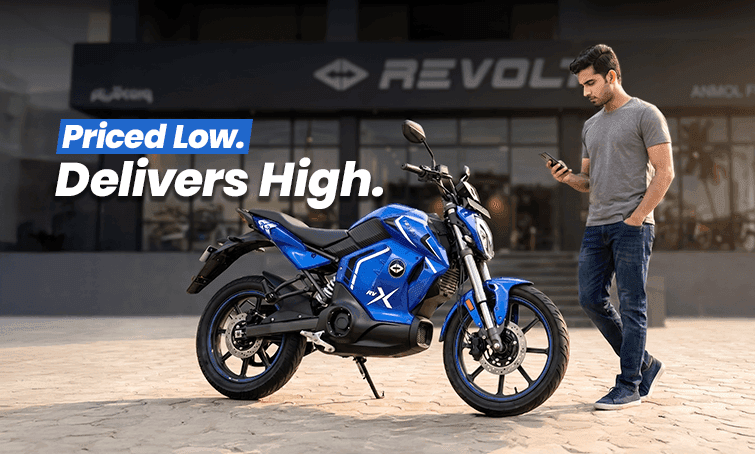
The under-₹1.5 lakh segment is the most competitive bracket in India's electric bike market right now, and also the most confusing to shop in, since the difference between a genuinely good option and a mediocre one isn't always obvious from a spec sheet alone. Here's an honest look at whether this price bracket is actually worth it, and what separates the strong options from the weak ones.
What ₹1.5 Lakh Actually Buys You Today
At the top of this bracket, you're getting real performance credentials, not just a "basic EV that happens to be a bit nicer." Expect battery packs in the 3 to 3.5 kWh range, IDC-claimed ranges of 150 to 180 km, motor outputs strong enough for confident city and highway merging, and a full suite of connected features, app control, geo-fencing, OTA updates, voice commands in some models. This is a meaningfully different product tier from sub-₹1 lakh options, not just a marginally nicer version of the same thing.
The Real Contenders in This Bracket
Based on current market data, the genuinely competitive options under ₹1.5 lakh include:
Revolt RVX: ₹1,29,990 (Excluding state subsidies) ex-showroom, 3.24 kWh battery, 160 km IDC range, 5.3 kW peak motor, connected features including geo-fencing and voice commands
Oben Rorr Evo: around ₹1.25 lakh, 3.4 kWh LFP battery, 180 km claimed range, stronger claimed acceleration
Ola Roadster X (higher variants): up to roughly ₹1.29 lakh depending on battery configuration
Revolt RV400: established, longer track record, around ₹1.38 to 1.43 lakh depending on source and city
Each of these makes genuine trade-offs, some prioritize raw acceleration, others prioritize range or connected features, and brand-specific factors like service network size matter more here than the spec sheet alone suggests.
Is It Worth It Compared to Cheaper Options?
Compared to sub-₹1 lakh electric bikes, the jump to this bracket typically buys you meaningfully more range, often 50 to 80 km more, a stronger motor, and a genuinely richer feature set. If your daily commute exceeds 40 to 50 km, or if connected features and performance matter to you beyond pure functional commuting, this bracket earns its price premium. If you're covering under 30 km daily and don't care about app connectivity, a sub-₹1 lakh option may serve you just as well at meaningfully lower cost, the extra spend in that scenario buys headroom you may never actually use.
Is It Worth It Compared to More Expensive Options?
Stepping up past ₹1.5 lakh into the ₹2 lakh-plus bracket buys you genuine performance upgrades, quicker acceleration, higher top speeds, sometimes meaningfully more range. But for the average daily commuter, this bracket already covers real-world needs comfortably. The additional spend above ₹1.5 lakh delivers diminishing practical returns unless you specifically want the performance-first positioning of models like the Ultraviolette F77.
What to Actually Compare Beyond the Headline Numbers
Spec sheets make every bike in this bracket look similar at a glance. What actually differentiates a good purchase from a regretted one:
1. Service network size in your specific city, a strong spec sheet means little if the nearest service center is hours away
2. Battery warranty terms, an 8-year, 80,000 km battery warranty is a meaningfully stronger commitment than a shorter or less clearly defined term
3. Real-world range versus claimed IDC figures, ask existing owners or read owner reviews, since claimed and real-world figures typically differ by 20 to 30%
4. Whether the battery is removable, a genuine practical advantage for apartment or hostel dwellers without dedicated charging points
Subsidies Change the Effective Price Meaningfully
Depending on your state, government subsidies can knock ₹5,000 to ₹40,000-plus off the effective price of a bike in this bracket, meaningfully changing the value equation. A ₹1,29,990 bike with a ₹30,000 combined subsidy in a state like Delhi effectively drops into a much more aggressive price bracket, worth factoring in before comparing raw ex-showroom prices across models.
Common Mistakes Buyers Make in This Bracket
A few patterns show up repeatedly among buyers who end up unhappy with a purchase in this segment. The most common is comparing only the headline range and price figures while ignoring battery warranty terms entirely, only to feel real regret years later when a competitor's bike in the same price bracket turns out to have offered meaningfully stronger battery protection. Another common mistake is buying based purely on a friend's recommendation or online reviews without a personal test ride, riding feel varies enough between models that a bike that suits one rider's preferences may feel entirely different to another, regardless of how strongly it's reviewed online.
How This Bracket Has Evolved Recently
It's worth understanding that the under-₹1.5 lakh segment looked meaningfully different even a year or two ago, with fewer genuinely competitive options and a bigger gap between budget and premium positioning. The current competitiveness in this bracket, with multiple brands now offering genuinely comparable range, performance, and features, is a relatively recent development driven by falling battery costs and increased manufacturing scale across Indian EV brands. This matters practically because it means older comparison articles or reviews may understate just how strong the current options in this bracket actually are relative to what was available previously.
Our Honest Verdict
For most Indian riders with a daily commute in the 30 to 60 km range who want genuine connected features and confident performance, the under-₹1.5 lakh bracket is genuinely worth it, this is where the market has converged on delivering the strongest overall value, not just the cheapest or the most powerful option. Within the bracket itself, prioritize battery warranty terms and local service network strength over marginal spec differences between competing models, since those two factors matter more to long-term ownership satisfaction than a few extra kilometres of claimed range.
Book a test ride of the RVX to feel what this price bracket actually delivers, or explore the full Revolt lineup to compare across budgets.
Conditions apply. Figures marked with an asterisk are claimed/rated values based on internal testing under standard conditions. Actual performance may vary depending on riding conditions, road and terrain, load, tyre pressure, rider weight, and riding style.