

Delhi EV Policy 2026: Two-Wheelers, Four-Wheelers Subsidies Explained
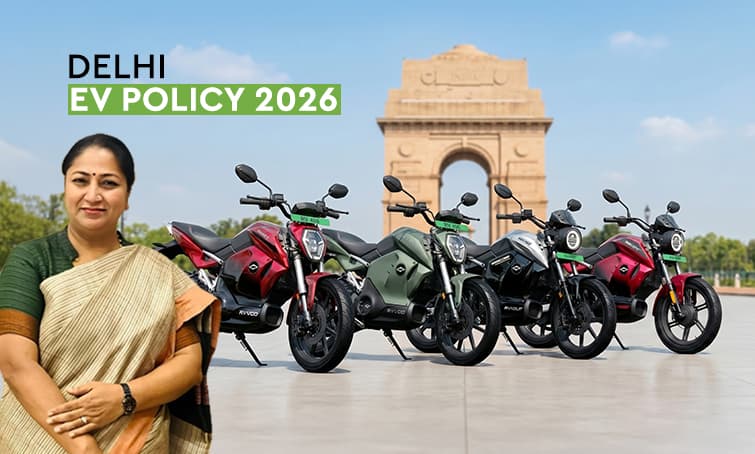
Delhi is working to become India's main electric vehicle (EV) hub. Under the Delhi EV Policy 2.0, the city is providing major financial help to make switching to electric power easier for everyone through March 2030.
The policy focuses on vehicles priced under ₹30 lakh. It uses big savings and new rules to help people move away from petrol and diesel.
Here is a simple guide to the subsidies, tax breaks, and bonuses you can get.
Major Tax Exemptions: A Win for the Mass Market
The policy makes buying an electric vehicle (EV) cheaper by removing several common costs for most buyers until March 2030:
- 100% Road Tax & Registration Waiver: All electric vehicles priced up to ₹30 lakh enjoy zero road tax and registration fees until March 31, 2030.
- Hybrid Car Discount: Strong hybrid cars under ₹30 lakh get a 50% discount on road tax and registration.
- Hybrid Vehicle Bonus: In a surprising move to bridge the gap, strong hybrid cars priced under ₹30 lakh receive a 50% waiver on road tax and registration fees.
Two-Wheeler EV Subsidies: The Tapering Benefit
To get more people to buy early, the cash back for electric bikes and scooters will decrease every year. If you want a fast, high-tech electric bike with a long range and quick charging, buying one soon will help you save the most money before these benefits go down.
Eligibility: Only electric two-wheelers with an ex-factory price under ₹2.25 lakh qualify for the direct purchase subsidy.
- Year 1: (First 12 Months): ₹10,000 per kWh of battery capacity (capped at a ₹30,000 maximum)
- Year 2: ₹6,600 per kWh (capped at a ₹20,000 maximum)
- Year 3: ₹3,300 per kWh (capped at a ₹10,000 maximum)
Example: If you purchase a high-performance EV with a 3kWh battery pack in Year 1, you can claim the full ₹30,000. If you wait until Year 3 to buy that exact same model, your subsidy drops to just ₹9,900.
Four-Wheeler (Car) Incentives: Focused on Scrappage
A common misconception is that private electric cars receive the same direct "purchase" subsidies as two-wheelers. Under the 2026 framework, four-wheeler benefits are heavily tied to taking polluting vehicles off the road.
- The Scrappage Goldmine: Buyers can unlock a massive ₹1,00,000 scrapping incentive for private cars.
- How it Works: To claim the ₹1 lakh, you must scrap a Delhi-registered BS-IV (or older) car and purchase a new EV priced under ₹30 lakh within 6 months of receiving the Certificate of Deposit (CoD).
- Cap Limit: This specific ₹1 lakh bonus is available only to the first 1,00,000 eligible applicants.
- Note for Commercial 4W: Small electric goods carriers (N1 category) do receive direct subsidies, starting at ₹1 lakh in Year 1 and dropping to ₹50,000 by Year 3.
The Extra Scrappage Bonus for Two and Three-Wheelers
If you have an aging petrol vehicle, the state is offering additional cash to help you make the switch. Remember, the new EV must be purchased within 6 months of scrapping the old vehicle to claim these funds.
- Two-Wheelers: Buyers get an additional ₹10,000 incentive for scrapping an old BS-IV or older petrol scooter or motorcycle and upgrading to a new electric two-wheeler.
- Three-Wheelers: A ₹25,000 scrapping bonus is available for those upgrading to an electric auto-rickshaw.
The ICE Phase-Out Timeline: What Buyers Need to Know
The financial incentives are paired with strict government deadlines that will effectively force the market's hand. These cut-offs are critical to consider if you are thinking about buying a petrol vehicle today:
- January 1, 2026: Ride-hailing aggregators (like Ola and Uber) and delivery fleets are barred from adding new petrol or diesel vehicles to their fleets.
- January 1, 2027: Only electric three-wheelers will be allowed for new registrations in the capital.
- April 1, 2028: A complete ban on new registrations of petrol two-wheelers in Delhi goes into effect.
Also Read: Why Delhi’s 2028 Petrol Two-Wheelers Ban Means You Should Switch to Revolt Today
Infrastructure Push: Where Will You Charge?
Range anxiety is being addressed through a massive mandated expansion of public charging and battery-swapping networks. Moving forward, all new building infrastructure projects must be designated "EV-ready." Furthermore, EV dealerships are now playing a larger role in the ecosystem by deploying and maintaining charging stations, ensuring riders have power where they need it.
Revolt Advantage
The Revolt RV400 is a perfect example of how these rules work in your favor. Because it has a large 3.24 kWh battery, it qualifies for the maximum ₹30,000 subsidy if you buy it during Year 1.
If you also scrap your old petrol bike, you can add another ₹10,000 bonus, bringing your total direct savings to ₹40,000. When you add in the fact that you pay zero road tax and registration fees, the RV400 becomes one of the most affordable ways to future-proof your commute before the 2028 petrol ban kicks in.
Conclusion
The 2026 policy framework makes it abundantly clear that the financial math heavily favors going electric right now. Between a potential ₹30,000 direct subsidy for two-wheelers and a massive ₹1 Lakh scrappage bonus plus tax waivers for four-wheelers, the upfront costs of EVs have never been more competitive. With the 2028 ban on petrol two-wheelers looming, making the switch to a high-end EV today isn't just an environmental choice—it's the smartest financial move.