

Clean Transport Push as Delhi Extends EV Policy to 2026
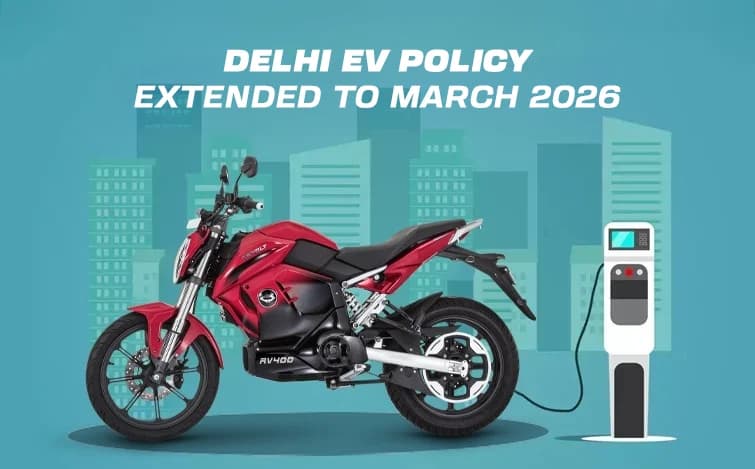
Delhi is steering ahead with a strong commitment to cleaner transport by extending its electric vehicle (EV) policy until March 2026. This extension brings fresh momentum to the city’s plan to cut emissions, reduce fuel dependency, and encourage widespread adoption of electric mobility.
For residents, buyers, and transport operators, it means more time to benefit from financial incentives and a clearer path to switching to electric.
This move goes beyond just extending a deadline. It signals a broader vision for sustainable infrastructure, stronger industry participation, and improved access to reliable EV options.
With more charging points, better purchase support, and expanding awareness, Delhi is creating the conditions needed for an electric shift in how people move through the city.
Here’s how the extended policy is set to shape Delhi’s electric future across key areas.
Key Objectives Behind the Policy Extension
The extended EV policy carries several clear objectives that go beyond just encouraging vehicle sales. It lays the groundwork for long-term changes in how the city moves and how industries operate around mobility.
Here are the core goals the policy continues to support:
- Cut down air pollution
- Extend subsidy access
- Boost EV use in all transport sectors
- Shift fleets to electric
- Boost in-state electric vehicle development
- Create new jobs
- Strengthen investor confidence
- Build long-term industry growth
Subsidies and Financial Support for Buyers
The extended policy continues to offer upfront subsidies on eligible electric vehicles, reducing the cost burden for buyers. These subsidies are applicable across categories, including two-wheelers, three-wheelers, and four-wheelers, making it more viable for users to shift from fuel-based vehicles to electric ones. The amount depends on battery capacity and vehicle type.
Registration fee waivers and road tax exemptions also remain part of the benefits. These financial incentives lower the overall cost of ownership, which often becomes a decisive factor for new buyers evaluating their options. With the extended timeline, those still undecided have more opportunity to make the switch without rushing.
Buyers of electric motorcycles such as Revolt RV1+ stand to gain from this policy if purchased within the incentive window. Their efficient performance and affordability align well with the goals set under the policy framework.
Support for Charging Infrastructure Expansion
The success of electric mobility depends heavily on the availability of reliable charging stations. Delhi’s EV policy addresses this by continuing its push to establish a dense and accessible charging network across the city. The aim is to have one charging station every 3 kilometres, covering both public and private locations.
Under the policy, incentives are also extended to businesses and RWAs (Resident Welfare Associations) for setting up charging infrastructure. These measures are designed to make home and workplace charging more common and accessible, especially for daily commuters. As more vehicles hit the roads, the city’s power grid and distribution systems are being upgraded to handle the increased load.
This infrastructure supports a wide range of two-wheeler EVs, including models like RV BlazeX, ensuring that riders have the convenience of frequent and fast charging without worrying about range.
Also Read: What is the FAME II Scheme in India?
Commercial Fleet Electrification Gets a Boost
Commercial vehicle operators, including delivery services and transport aggregators, are expected to benefit from the policy’s extension. Delhi continues to encourage the adoption of electric two-wheelers and three-wheelers for last-mile deliveries and shared mobility. With longer lead times, fleet operators can plan bulk purchases and phase out older fuel-based vehicles.
The extended policy offers purchase incentives and lower operational costs for electric fleet owners. Combined with reduced maintenance and fuel expenses, EVs become a cost-effective solution over time. This shift not only reduces emissions but also stabilises operational budgets for logistics companies.
Electric motorcycles like the RV400 BRZ are well-suited for such use cases, offering durability and efficient mileage needed for high-frequency commercial operations.
Public Awareness and Consumer Confidence
Delhi’s EV policy doesn’t focus solely on infrastructure and incentives. It also supports large-scale awareness campaigns to educate consumers about the long-term benefits of electric vehicles. These efforts include workshops, exhibitions, and school programs that explain how electric mobility contributes to better health and lower daily expenses.
Increased public awareness helps tackle misconceptions around EVs, especially regarding charging time, range, and maintenance. Clear communication from government bodies builds trust and encourages hesitant buyers to consider electric options. As more people witness the practical benefits, adoption rates are expected to climb steadily.
Consumer confidence also grows when more residents experience smooth rides with dependable vehicles like the RV400, which combine ease of use with long-range performance ideal for urban conditions.
What to Expect by March 2026
With this extension in place, Delhi hopes to reach its goal of making 25% of all new vehicle sales electric by 2026. The policy’s roadmap includes more fast-charging hubs, battery-swapping stations, and vehicle tracking systems to ensure performance transparency. These upgrades aim to enhance the reliability and convenience of EV usage in the city.
The government is also working on integrating renewable energy sources with the charging grid, which further strengthens the environmental value of using electric vehicles. Combined with better waste disposal for old batteries, Delhi is setting the stage for a truly circular EV economy.
Buyers can expect a larger variety of electric two-wheelers and supporting services in the coming years, as the city becomes more EV-friendly in every possible aspect.
Wrapping Up
Delhi’s decision to extend the EV policy is a calculated step toward ensuring sustained momentum in the city’s electric mobility journey. The continuity of benefits gives residents and businesses a fair chance to participate in cleaner transport practices without facing uncertainties. With better infrastructure, incentives, and local development, the city is preparing for a more efficient and pollution-free future.
Electric motorcycles like those offered by Revolt Motors are aligned with these goals and offer reliable transport choices for an increasing number of environmentally aware commuters. As Delhi works toward its 2026 targets, the capital is set to become a model for electric mobility adoption across India.
Also Read
The Rise of Electric Motorcycles in Tier-2 and Tier-3 Cities