

Electric Bike vs Petrol Bike Performance Comparison in 2025
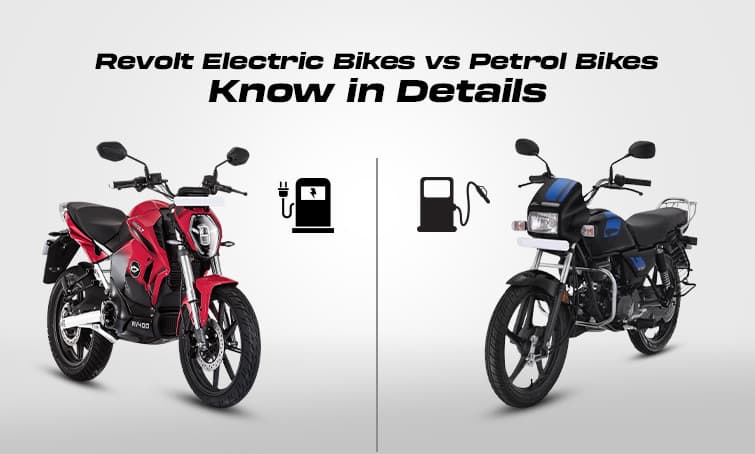
In 2025, the shift toward electric motorcycles is more noticeable than ever, with the Revolt RV400 leading the charge in the electric segment. This comparison explores how the RV400 performs against traditional petrol motorcycles, looking at key metrics like performance, range, cost of ownership, and technology.
If you are considering the transition from a petrol bike to an electric alternative, this detailed guide will help you understand why the RV400 stands out in the electric bike vs petrol bike debate.
Performance and Riding Experience
Powertrain and Top Speed
The Revolt RV400 is powered by a 4.1 kW mid-drive PMSM motor that allows it to reach a top speed of 85 km/h in Sports mode. This is on par with many entry-level petrol motorcycles, providing ample power for urban commuting and weekend rides.
The electric bike vs petrol bike comparison shows that while petrol bikes may offer slightly higher top speeds in some cases, the RV400’s performance is more than sufficient for most riders.
Torque and Acceleration
The Revolt RV400 delivers 45 Nm of torque at the motor and an impressive 180 Nm at the wheel, making it comparable to mid-range petrol motorcycles in terms of acceleration and handling.
With a 0-40 km/h time of just 5.2 seconds, the RV400 is quick off the line, offering a smooth and responsive riding experience, especially in urban environments. This makes it a serious contender in the electric bike performance versus traditional petrol motorcycles comparison.
Riding Modes and Adaptability
The RV400 features multiple riding modes, Eco, Normal, and Sport, giving riders the flexibility to adjust power delivery according to their preferences and riding conditions. Petrol bikes typically offer fewer customization options, with riders needing to rely on gear shifts for different performance needs.
Range and Refueling
Battery Range and Charging Time
The RV400 is equipped with a 3.24 kWh battery that offers a range of up to 150 km per charge under ideal conditions. This is more than enough for daily commuting in most cities.
Fast charging takes 80 minutes to reach 0-80%, and standard charging takes 4 hours 45 minutes to fully charge, making the RV400 a convenient choice for those with access to charging infrastructure.
In contrast, petrol motorcycles can be refueled in a matter of minutes at any fuel station. However, considering the rising fuel costs and environmental concerns, the EV vs petrol bike debate often leans in favor of electric motorcycles like the RV400 due to their significantly lower operational costs.
Also Read: How to Maintain Your Electric Bike and Maximize Battery Life
Swappable Battery Feature
One standout feature of the RV400 is its removable battery, which gives owners the flexibility to swap batteries at designated charging stations. This enhances convenience, particularly in areas where charging infrastructure may be less developed. Petrol bikes, on the other hand, do not offer such convenience and are reliant on external fuel stations for refueling.
Cost of Ownership
Initial Price and Government Incentives
At a price point of ₹1.14 lakh to ₹1.24 lakh, the Revolt RV400 is competitively priced against petrol motorcycles of similar performance. The Indian government’s push for electric mobility has made electric motorcycles like the RV400 more accessible through subsidies and incentives.
Additionally, while petrol motorcycles face increasing fuel costs, the running costs of an electric bike like the RV400 are significantly lower due to the cost-effectiveness of charging.
Furthermore, maintenance is less costly for the RV400 since it has fewer moving parts compared to a traditional petrol motorcycle. The petrol motorcycles comparison is clear: the RV400 offers much lower long-term expenses.
Also Read: Government Policies Supporting Electric 2 Wheelers: What You Need to Know
Maintenance and Repair
Due to the lack of an internal combustion engine and other components like a gearbox, the RV400 has lower maintenance needs. Riders of petrol motorcycles are often faced with routine engine checks, oil changes, and exhaust system maintenance, adding to the total cost of ownership. The RV400’s simpler electric drivetrain requires minimal servicing, saving you money in the long run.
Technological Features
Smart Connectivity and Telematics
The Revolt RV400 features advanced technology such as 4G connectivity for real-time telematics and GPS tracking, which many petrol motorcycles lack. Additionally, its mobile app connectivity allows users to monitor battery status, activate geofencing, and even control the bike remotely.
Features like Bluetooth music control and OTA updates ensure that the RV400 is future-proof and continuously improves over time, something that petrol motorcycles cannot offer.
Also Read: Smart Features To Expect In Electric Bikes These Days
Rider Comfort and Convenience
The RV400 offers a monoshock rear suspension and an upside-down front fork for superior comfort and handling. The ergonomic design and adjustable seat height (815 mm) make it an ideal choice for various rider heights and types.
Petrol motorcycles in a similar range typically use telescopic forks and twin-shock rear suspension, which, while functional, do not match the precision and smoothness of the RV400’s setup.
Also Read: Tips For Extra Safety & Comfort For A Pillion Rider
Environmental Impact
The Revolt RV400 offers an eco-friendly alternative to petrol motorcycles, producing zero tailpipe emissions and contributing to cleaner air and reduced noise pollution. As urban areas become more focused on reducing their carbon footprint, the electric bike vs petrol bike debate heavily favors electric vehicles in terms of environmental sustainability. Traditional petrol motorcycles contribute to air pollution and carbon emissions, whereas the RV400 helps riders make a greener choice.
Also Read: How an EV 2 Wheeler Contributes to a Greener India
Wrapping Up
In the electric bike vs petrol bike showdown, the Revolt RV400 excels in nearly every category. Its performance, range, and technology are all tailored for the modern rider, making it an attractive alternative to traditional petrol motorcycles.
With lower operational costs, advanced features, and a commitment to sustainability, the RV400 is positioned as a game-changer in the two-wheeled transportation landscape. For those ready to make the switch to electric, the RV400 offers a compelling option that should not be overlooked.