

Delhi Goes All-Electric: No New Petrol Two-Wheelers from April 2028, Here's What It Means for You
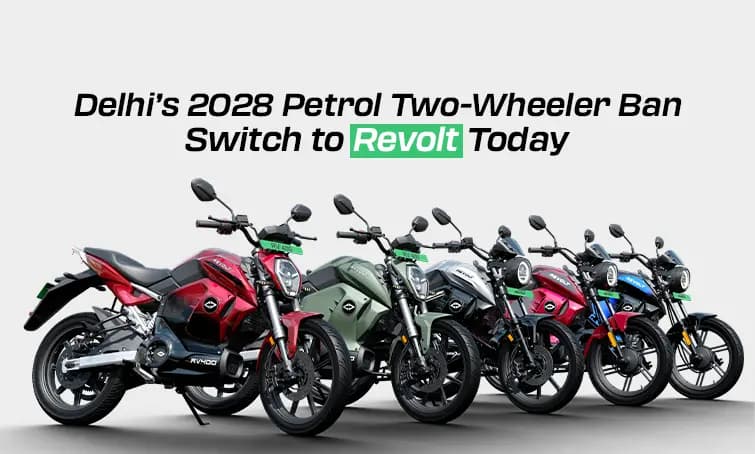
Delhi just made it official. From April 1, 2028, no new petrol-powered two-wheeler bike or scooter will be eligible for registration in the capital. The Delhi government has confirmed it is moving ahead with this deadline under the Delhi Electric Vehicle Policy 2.0 (2026–2030), and industry pushback has done nothing to change its position.
This isn't a rumour or a distant proposal. The policy is set to be notified before the end of June 2026, and once notified, it runs until 2030.
If you're a two-wheeler rider in Delhi, this is the single biggest shift in personal mobility in a generation. Here's everything you need to know and why switching sooner makes far more financial sense than waiting.
What Exactly Is Being Banned?
Let's clear up what this policy does and doesn't do:
What it Does:
- Bans registration of new petrol two-wheelers in Delhi from April 1, 2028
- Makes electric-only registrations mandatory for all new two-wheelers in the city from that date
- Applies to all new buyers at every dealership in Delhi
What it Does not Do:
- Does NOT ban petrol bikes you already own you can continue riding them legally, indefinitely
- Does NOT require existing petrol two-wheeler owners to scrap or convert their bikes
- Does NOT apply to purchases made before March 31, 2028
In simple terms: if you buy a petrol bike today, you can ride it for its full life without restrictions. But from April 2028, every new two-wheeler registered in Delhi will have to be electric.
Why Is Delhi Doing This?
The numbers tell the story.
Two-wheelers make up nearly 67% of Delhi's entire registered vehicle fleet roughly 1.15 crore registered two-wheelers on Delhi's roads today. Vehicles as a whole contribute approximately 23% of Delhi's air pollution, and within that, two-wheelers are the single largest category by volume.
The Delhi government's logic is straightforward: you can't meaningfully clean Delhi's air without addressing the vehicle category that dominates its streets. A hard 2028 deadline doesn't remove the existing petrol fleet overnight that will take years. But it stops the petrol fleet from growing any further, and it forces every new purchase in the city toward electric from that point on.
The Incentives: Why Buying Electric NOW Makes More Financial Sense
Here's the part most news articles miss. The Delhi EV Policy 2.0 isn't just a ban it's a time-sensitive window of financial benefits that reduces every year.
What you get if you buy electric NOW (before incentives reduce):
| Benefits | Details |
| Subsidy on electric two-wheelers | Up to ₹30,000 in the first year (for bikes priced up to ₹2.25 lakh ex-showroom) |
| Road Tax Waiver | 100% waiver until March 31, 2030 |
| Registration Fee Waiver | Full waiver until March 31, 2030 |
| Scrappage incentive | ₹10,000 if you replace a BS4 or older Delhi-registered petrol bike with an electric one |
| PM E - Drive Benifits | Direct bank transfer of incentives via the central scheme |
These incentives step down each year. The sooner you make the switch, the more you save upfront. Wait until 2027, and the benefits will be lower. Wait until April 2028, and you'll have no choice anyway but fewer savings in your pocket.
The 22-Month Window: What This Means for Delhi Buyers
There are exactly 22 months between today and April 1, 2028. This window matters for three types of Delhi riders:
If you're Buying a New Bike Soon: You have a genuine choice right now and the financial incentives strongly favour going electric today. A Revolt electric bike with zero registration cost, a ₹30,000 subsidy, and near-zero fuel cost is a fundamentally different ownership equation from a petrol bike.
If You're Planning to Buy in 2027: By then, the electric two-wheeler range in India will be meaningfully different. More models, better charging infrastructure, and improved range. But the subsidies will also be lower. The balance tips even more toward buying electric sooner.
If you Own a Petrol Bike Already: No immediate change. Ride on. But if your bike is a BS4 or older model, this is a good time to look at the ₹10,000 scrappage incentive it essentially pays you to upgrade.
Why Revolt Riders Are Already Ahead
Revolt's community of nearly 60,000 riders has collectively crossed 72 crore electric kilometres on Indian roads. These aren't early adopters chasing novelty they're daily commuters who've experienced firsthand what electric ownership actually costs month to month.
Running a Revolt electric bike in Delhi costs a fraction of petrol. No fuel stops, no engine oil changes, no complicated servicing schedules. The MyRevolt app lets you monitor battery health, locate charging points, and even unlock your bike all from your phone.
Delhi's 2028 deadline will eventually force every new buyer in the city toward electric. Revolt riders made that choice early and they've already saved thousands.
What Happens Next
The Delhi EV Policy 2.0 is expected to be officially notified before June 30, 2026 which means the clock is already ticking. Once notified:
- Aggregator fleets (like delivery and cab services) face restrictions from January 2026 no new petrol two-wheelers in commercial fleets
- Electric three-wheelers become mandatory for new registrations from January 1, 2027
- New petrol two-wheeler registrations end for everyone from April 1, 2028
The transition is designed to be gradual, not sudden but it is coming, and the financial logic of switching early is hard to argue against.
Also Read: Delhi EV Policy 2026: Two-Wheelers, Four-Wheelers Subsidies Explained
The Bottom Line
Delhi isn't asking petrol bike riders to stop riding. It's telling the market that the era of buying new petrol two-wheelers in India's capital is coming to an end and it's giving buyers 22 months of warning along with significant financial incentives to make the switch comfortable.
If you've been thinking about going electric, this is the clearest signal the government has ever sent. The subsidies are at their highest right now. The registrations costs are waived. And Revolt has the bikes to back it up.
The question isn't whether Delhi goes all-electric. It already has on paper. The question is whether you get ahead of it, or wait for the deadline to decide for you.
Interested in making the switch? Explore Revolt electric bikes and use our savings calculator to see exactly how much you'd save in your first year of electric riding.
Also Read
PM E-DRIVE Subsidy Ending Soon: How to Claim Your Electric Bike Discount Before the Deadline
PM Urges the Country to Save Fuel. Here's How You Can Contribute to the Movement!
Electric Bike Price in India After Subsidy (2026): PM E-Drive Impact on EV Bike Cost