

Future of Electric Vehicles in 2026 and Beyond
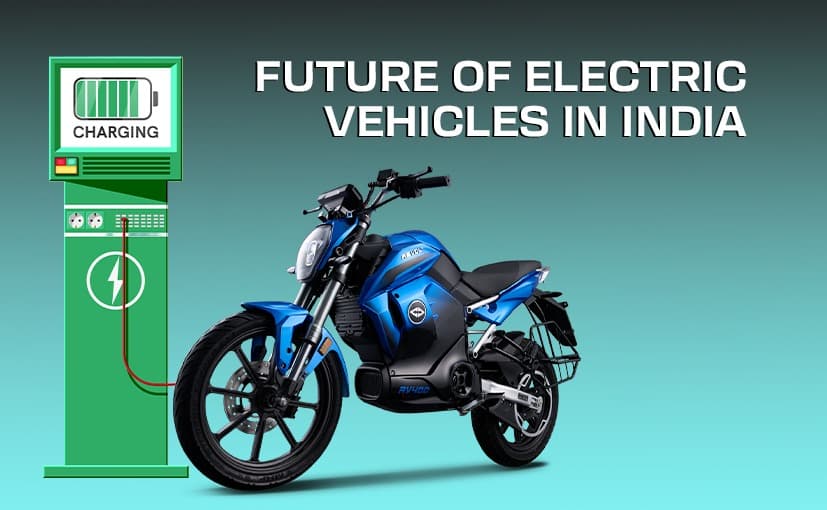
The silent engines are getting louder, at least in impact. India is standing at the edge of an electric revolution, and 2025 won’t just push it forward; it will redefine the road ahead. What began as a quiet shift is now building speed across highways, city lanes, and even village roads. Cleaner rides, lower running costs, and smarter features are changing how Indians move, quickly and decisively.
The future of electric vehicles in India is no longer a concept waiting to arrive; it’s already accelerating through real-world demand and innovation. Here’s what’s shaping the journey ahead, and where the electric road is heading next.
Electric Two-Wheelers: Leading the Urban Transition
Electric two-wheelers are becoming the go-to choice in Indian cities, thanks to lower running costs and minimal upkeep. For daily commutes and short-distance deliveries, they offer a practical, reliable alternative to petrol-based vehicles. Their compact size also makes them ideal for navigating traffic and limited parking spaces.
With smart features like mobile app connectivity, geo-fencing, and theft alerts, newer models are reshaping expectations. The design focus is shifting toward lightweight builds, longer range, and user-friendly tech. As swappable batteries and ride analytics become common, electric bikes will appeal even more to young, urban riders.
Also Read: How Electric Vehicles Help You Contribute To A Cleaner India?
Charging Ecosystem: Building Confidence in EVs
Access to charging remains a key factor in driving EV adoption. In 2025 and beyond, the availability and distribution of public charging points are expected to grow substantially. Government and private partnerships will play a big role in expanding this infrastructure across residential areas, highways, and commercial spaces.
Faster charging solutions and battery-swapping stations will address range anxiety. Mobile charging units and community-based stations will support users in areas where grid access is limited.
Smart chargers that connect to mobile apps, monitor usage, and offer real-time feedback will further strengthen consumer trust. The future of electric vehicles in India depends on this infrastructure scaling up efficiently and sustainably.
Affordability and Finance: Making EVs Accessible
Price has always been a deciding factor for Indian buyers. Over the next few years, EVs will become increasingly competitive with petrol and diesel vehicles. Local manufacturing, component localisation, and tax benefits will help bring down prices across segments.
Options like the Revolt RV1 Plus on road price show how companies are adjusting to market demand without compromising on technology. Flexible financing options, lower EMI plans, and battery leasing models will further reduce the upfront cost of ownership.
Banks and NBFCs are also expected to roll out special EV loan products. When paired with savings from fuel and service costs, the financial case for switching to electric becomes much stronger.
Battery Innovation and Sustainability Goals
Battery technology will be a defining factor in the next phase of EV growth. Advances in lithium-ion chemistry, solid-state batteries, and energy density improvements will lead to better mileage, shorter charging times, and lighter vehicles. This directly impacts the India EV market, making it more reliable and user-friendly.
Sustainability will go beyond just tailpipe emissions. Battery recycling programs, second-life battery applications, and eco-conscious supply chains will become common. Consumers will demand transparency in sourcing and environmental responsibility from manufacturers.
As green energy use increases, more EV users will switch to solar or clean-grid charging, making these truly eco-friendly vehicles across their lifecycle.
Also Read: Electric Bike Battery - Safety, Power and Range
Smart Features and Connected Mobility
Technology is transforming electric vehicles into connected machines. Features like app control, real-time tracking, and remote diagnostics are becoming standard, even in affordable models. Riders can now monitor battery health, access ride stats, and get software updates without stepping into a service centre.
Take the Revolt RV1 Plus, for example. It shows how smart tech is now part of the everyday EV experience. These features aren't add-ons anymore. They're expected, and they’re raising the bar across the board. In the India EV market is building more than just vehicles. It's building an ecosystem that runs on data, precision, and real-time control.
Also Read: 2025’s Electric Motorcycles in India: What’s New, Smart, and Game-Changing?
Growth in Tier 2 and Tier 3 Cities
While metro cities are driving early adoption, Tier 2 and Tier 3 cities are now entering the EV conversation. Better road networks, rising income levels, and growing awareness are pushing demand in these regions. Small-town buyers are looking for practical options that suit their budgets and daily needs.
Models with competitive pricing, like those within the Revolt RV1 Plus on road price range, appeal to these customers. As service networks and charging points spread, confidence in EV reliability will also grow in these markets.
Local dealerships, regional marketing, and vernacular customer support will play a big role in expanding EV penetration outside major cities. The future of electric vehicles in India lies in ensuring that this growth reaches beyond urban centres.
Also Read: The Rise of Electric Motorcycles in Tier-2 and Tier-3 Cities
Commercial Use and Fleet Expansion
Electric mobility isn’t just about personal transport anymore. The commercial segment is gearing up for a major shift. Delivery services, ride-hailing companies, and government agencies are all beginning to electrify their fleets.
Electric vans, buses, and scooters are being added to logistics and public transport operations. The rise of the electric two wheeler vehicle for short-haul deliveries is making last-mile logistics more cost-efficient and sustainable.
Fleet operators are increasingly considering EVs to reduce operational costs, especially in cities with congestion charges or emission-related restrictions. As regulations tighten, commercial use will become one of the strongest growth areas in the India EV market.
Wrapping Up
The India EV market is reaching a turning point. Electric vehicles are no longer just alternatives; they’re becoming the standard. With strong policy backing, smarter tech, and growing public demand, the future of electric vehicles in India is set to reshape how the country moves. Practical options like the Revolt RV1 Plus on road price prove that clean mobility can be both advanced and accessible. Beyond 2026, India isn’t just adopting EVs. It’s building a smarter, cleaner way forward.
Thinking electric? Check out the Revolt RV1 Plus and see how smart, affordable mobility fits into your ride.