

Karnataka EV Policy: Road Tax Benefits for Electric Bikes Explained
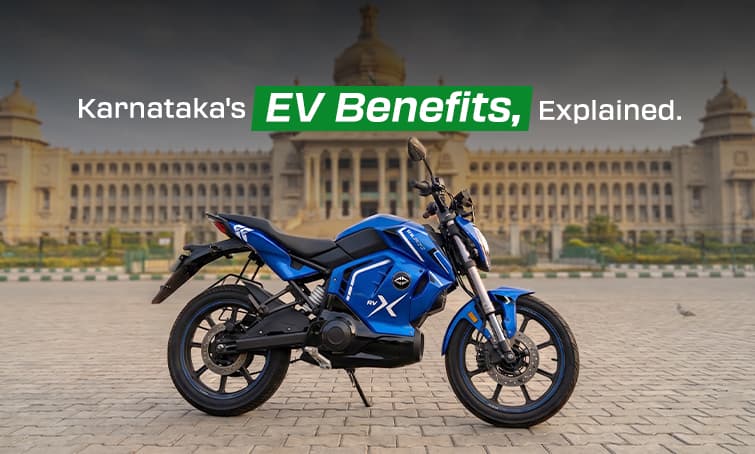
Karnataka's approach to EV incentives changed meaningfully in 2026, and if you're researching this based on older articles, you may be looking at outdated information. Here's what's actually current, verified against recent reporting.
The Big Change: Road Tax Exemption Was Rolled Back
For a long period, Karnataka offered a full, 100% road tax exemption for electric vehicles, one of the more straightforward and generous state-level EV benefits in the country. This changed in April 2026. Multiple current sources confirm that Karnataka revised this policy to a tiered structure, now applying road tax at 5-10% depending on the vehicle's price band, rather than the previous full waiver.
What the Tiered Structure Likely Means in Practice
While exact price-band cutoffs weren't consistently detailed across the sources reviewed for this article, the general structure means lower-priced electric bikes are likely to fall into the lower end of the 5-10% range, while higher-priced models would fall toward the upper end. For a bike like the Revolt RVX at ₹1,24,990, this would mean paying some road tax, unlike the previous full-exemption era, though still at a meaningfully reduced rate compared to standard petrol vehicle road tax rates in most cases.
Given the specific price-band cutoffs weren't uniformly available across our research, confirm the exact rate applicable to your specific bike model directly with your dealership or Karnataka's RTO before finalizing your purchase budget.
Why This Rollback Happened
State governments periodically revise EV incentive structures as adoption rates increase and initial policy goals (encouraging early adoption) shift toward longer-term fiscal sustainability. A full tax exemption makes sense as an early incentive when EV adoption is low, but as EVs become a larger share of overall vehicle sales, the revenue impact of a complete exemption becomes more significant for state finances, often prompting a shift toward a reduced-but-not-zero tax structure like Karnataka's new approach.
Is There a Direct Purchase Subsidy in Karnataka?
Based on current available information, Karnataka's EV policy has historically focused more heavily on tax benefits (like the road tax exemption, now revised) rather than a large direct cash purchase subsidy comparable to what states like Delhi or Maharashtra offer. If a direct purchase subsidy program exists or has been introduced alongside this tax policy revision, confirm current details directly with your dealership, since this wasn't consistently documented in the sources reviewed for this guide.
What This Means for Your Budget If Buying in Karnataka
Given the shift away from full road tax exemption, it's worth adjusting your budget expectations compared to what older articles or outdated dealership information might suggest. Ask specifically for:
1. The exact road tax percentage applicable to your specific bike's price band
2. Whether registration fees carry any separate exemption or reduction
3. Whether any direct purchase subsidy currently applies, separate from the tax structure
The Central Scheme Context
As with every state, it's worth knowing that the central PM E-DRIVE scheme's electric two-wheeler subsidy component closed on 31 July 2026. Karnataka buyers purchasing from August 2026 onward should not expect a central cash subsidy to stack on top of whatever state-level tax treatment applies, only Karnataka's own current tax structure is relevant going forward for new two-wheeler purchases.
How Karnataka Now Compares to Other States
With this rollback, Karnataka's EV tax treatment is now less generous than states maintaining a full road tax exemption, such as Maharashtra or Tamil Nadu (the latter reportedly through 2027). This is a meaningful shift worth factoring in if you're comparing where to purchase or register, particularly if you have any flexibility in that decision. We've covered a broader state-by-state comparison for additional context on how different states currently approach EV incentives.
Beyond Tax: The Running Cost Advantage Still Applies
Regardless of the road tax policy shift, the core running-cost advantages of switching to an electric bike remain fully intact in Karnataka, meaningfully lower cost per kilometre compared to petrol, and reduced ongoing maintenance requirements. The tax policy change affects your upfront cost calculation, not the fundamental economics of EV ownership over time.
Book a test ride at your nearest Karnataka dealership and ask for the exact, current road tax rate applicable to your specific model before finalizing your purchase.
How to Get a Precise Answer for Your Specific Bike
Since the exact price-band cutoffs for Karnataka's new 5-10% tiered structure weren't consistently detailed across the sources we reviewed, the most reliable path to a precise answer is a direct conversation with your dealership, specifically asking them to calculate the exact road tax rupee amount for your specific model and configuration under the current policy, rather than relying on a general percentage range alone.
Conditions apply. Figures marked with an asterisk are claimed/rated values based on internal testing under standard conditions. Actual performance may vary depending on riding conditions, road and terrain, load, tyre pressure, rider weight, and riding style.