

RVX vs Petrol Bike: The Real 5-Year Running Cost Comparison
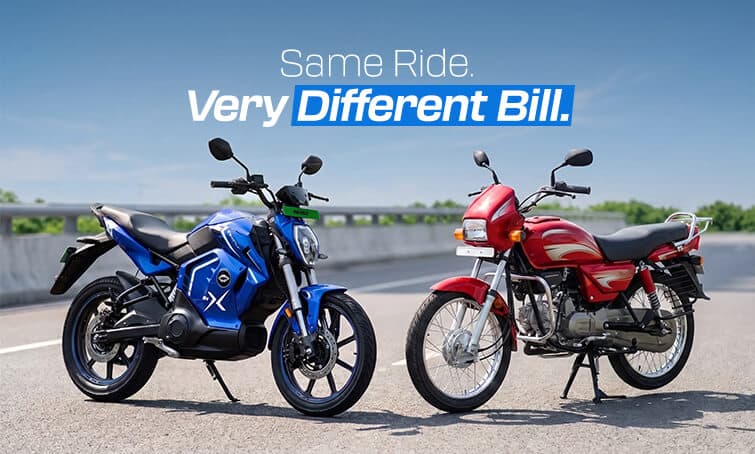
A single-year fuel savings figure is useful, but the real financial case for switching to an electric bike becomes much clearer over a longer ownership horizon. Here's an honest 5-year total cost comparison between the Revolt RVX and a comparable 150cc petrol commuter motorcycle, using the same real-world assumptions we've applied throughout our cost-related content. To keep this comparison fair and consistent, we're using the same figures established in our fuel savings breakdown: a 35 km daily commute, 30 days a month, petrol priced around ₹96-100 per litre, a petrol bike averaging 42 km per litre in real city riding, and electricity priced around ₹8 per unit for home charging. Petrol bike: Approximately ₹28,800-30,000 per year in fuel alone, based on the monthly calculation of roughly ₹2,400-2,500. RVX: Approximately ₹2,040-2,100 per year in electricity, based on the monthly calculation of roughly ₹170-175. Over 5 years, without any adjustment for fuel price inflation (a conservative assumption, since petrol prices have historically trended upward over time, while electricity pricing has remained comparatively more stable): Petrol bike, 5-year fuel cost: approximately ₹144,000-150,000 RVX, 5-year charging cost: approximately ₹10,200-10,500 That's a fuel-and-charging gap alone of roughly ₹134,000-140,000 over 5 years, a figure that starts to approach the RVX's own purchase price. This is where the comparison becomes harder to pin to exact rupee figures, since maintenance costs vary by specific bike model, riding style, and local service center pricing. However, the structural difference is well-established and worth quantifying directionally: Petrol bike maintenance typically includes: regular engine oil changes (every 2,000-3,000 km), periodic clutch plate wear and eventual replacement, spark plug replacement, carburettor or fuel injection servicing, air filter replacement, and more frequent overall service visits due to the higher number of moving mechanical parts. Electric bike maintenance typically includes: brake pad wear (shared with petrol bikes), tyre wear (shared with petrol bikes), and periodic software and battery health checks, but notably excludes engine oil changes, clutch servicing, spark plugs, and carburettor maintenance entirely, since these components simply don't exist on an electric drivetrain. While we won't assign a specific rupee figure to this difference given how much it varies by individual circumstances, industry-wide reporting consistently indicates electric two-wheelers cost meaningfully less to maintain over time, often cited in the range of 40-60% lower maintenance costs compared to equivalent petrol vehicles, though we'd encourage you to get direct servicing quotes from your specific dealerships for both vehicle types to build your own precise comparison. A fair comparison has to address battery replacement risk directly. The RVX's battery carries an 8-year, 80,000 km warranty, meaning a 5-year ownership period, the timeframe of this comparison, falls entirely within the warranty window for most riders. This means the significant cost of an out-of-warranty battery replacement is not a realistic factor in a genuine 5-year cost comparison for the large majority of owners, assuming normal usage patterns. Insurance costs for electric and petrol bikes can differ, though not always in a consistent direction, depending on your insurer, coverage level, and specific model. This is genuinely variable enough that we won't assign a specific figure here, get direct quotes for both vehicle types from your insurer to build this into your own comparison accurately. This 5-year comparison uses the RVX's full ex-showroom price as the baseline. If you're eligible for state or central subsidies at the time of purchase, your effective starting cost drops further, meaning the RVX's cost advantage compounds even more favourably over the 5-year period than the fuel-and-charging figures alone suggest. Combining the fuel and charging gap alone (roughly ₹134,000-140,000 over 5 years) with the well-documented, if not precisely quantified here, maintenance savings, the RVX's total cost of ownership advantage over a comparable petrol bike is substantial, likely exceeding the RVX's own purchase price difference (if any) compared to a similarly positioned petrol motorcycle within the same 5-year window. This is the real financial case for switching, not a single flashy percentage, but a genuine, compounding cost advantage that becomes more apparent the longer you own the bike. To keep this analysis honest and grounded, we haven't included harder-to-quantify factors like potential resale value differences, the value of time saved not visiting fuel stations, or environmental cost considerations, all of which could further favour the electric bike case but are more subjective or harder to verify with the same rigor as direct fuel and maintenance costs. Book a test ride of the RVX and ask your dealership for a personalized cost comparison based on your specific commute and local pricing. We'd encourage you to treat this article as a template rather than a final answer, plug in your own actual daily distance, your local petrol and electricity prices, and real maintenance quotes from dealerships near you, rather than relying solely on the national averages used here. The structural argument, meaningfully lower running costs compounding significantly over a multi-year ownership period, holds regardless of the specific inputs, but your personal numbers will differ from these illustrative figures.The Baseline Assumptions
Year-by-Year Fuel and Charging Cost
Maintenance and Servicing Costs
The Battery Question: Addressing the Elephant in the Room
Insurance Cost Differences
Subsidy Impact on the Comparison
Putting the Full Picture Together
A Note on What This Comparison Doesn't Include
Building Your Own Version of This Comparison