

New Government Subsidies & EV Policies You Should Know About
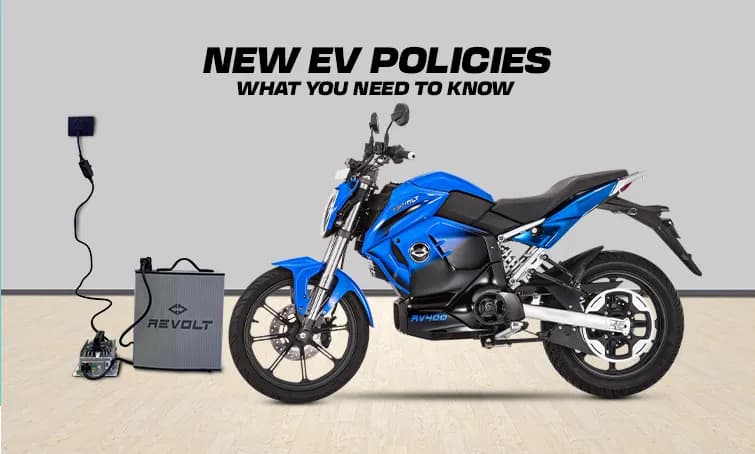
India’s electric vehicle landscape is evolving rapidly, with both the central and state governments introducing new schemes and incentives to make electric mobility affordable and accessible.
Among these, the electric bike government subsidy program has become a key driver in encouraging two-wheeler adoption. These subsidies aim to reduce the initial purchase cost and accelerate the transition from traditional fuel-powered bikes to electric ones.
According to the latest updates, the Ministry of Heavy Industries continues to refine its policies under the FAME initiative (Faster Adoption and Manufacturing of Hybrid and Electric Vehicles) to support this growing segment. The goal is clear: make sustainable transport a practical choice for every commuter.
Central-Level Subsidies and FAME II Scheme
The Foundation of India’s EV Policy
The central government’s FAME II scheme remains the cornerstone of India’s electric bike government subsidy framework. This program focuses on supporting the production and sale of electric vehicles by offering direct incentives to manufacturers and consumers.
Under the FAME II electric bike incentives India program, qualified electric two-wheelers can receive subsidies ranging from ₹10,000 to ₹20,000 per kWh based on their model and battery range. These incentives are provided directly to manufacturers, who pass the benefit on to customers through reduced prices.
Expanding Reach and Goals
The scheme targets one million electric two-wheelers, and policymakers have recently extended its duration to ensure continued growth. Combined with reduced GST rates (down to 5%) on electric vehicles, the electric bike government subsidy system is making ownership more affordable than ever.
State-Level Initiatives for Electric Bikes
Localized Support for Broader Impact
In addition to central programs, many Indian states have introduced their own state EV subsidies electric bikes India initiatives. Maharashtra, Gujarat, Tamil Nadu, and Delhi are among the leaders offering financial incentives, road tax waivers, and registration fee exemptions.
For instance, Delhi provides up to ₹30,000 per electric two-wheeler, while Gujarat offers incentives that can total ₹20,000. This localized approach ensures that the electric bike government subsidy benefits reach consumers in every region, addressing local transportation needs and infrastructure challenges.
Also Read: Clean Transport Push as Delhi Extends EV Policy to 2026
The Policy Outlook for 2025 and Beyond
India’s EV policy India two-wheelers segment is now focusing on three main areas: affordability, accessibility, and charging infrastructure. The government is encouraging public-private partnerships to expand charging networks and is investing in domestic battery manufacturing to cut import dependence.
The next phase of policy reform is expected to integrate stricter sustainability goals and improved performance standards. These measures will strengthen consumer confidence and ensure that the electric bike government subsidy continues to benefit both urban and rural markets.
Revolt Motors and How Its Models Align With Current Policies
Revolt Motors has built its lineup around efficiency, performance and real-world practicality. These qualities place its vehicles in a favorable position within India’s policy framework. Buyers researching an electric bike government subsidy will find that several Revolt bikes meet typical eligibility standards. This compatibility makes Revolt’s offerings strong choices for value-conscious EV adopters.
Models Worth Considering
Below are key models from Revolt Motors that fit well into the updated subsidy landscape:
- RV1
- RV1+
- RV BlazeX
- RV400 BRZ
- RV400
These vehicles are engineered to deliver dependable range, responsive acceleration and efficient energy usage. Their performance characteristics align with expectations set by state and national authorities that prioritize safe battery design and real-world practicality. As consumers explore electric bike government subsidy opportunities, these models stand out as capable options supported by a company focused on long-term reliability.
Why Revolt fits the new EV environment
Revolt Motors emphasizes certification, energy efficiency and technology integration, which helps its models stay compatible with evolving programs. This ensures that customers who intend to use an electric bike government subsidy are choosing a brand that designs with compliance and value in mind. The consistent engineering standards also contribute to predictable charging performance and trustworthy everyday usability.
Maximizing the Benefits of Government Incentives
Consumers planning to buy electric bikes should verify eligibility for central and state schemes to ensure they maximize their savings. Most authorized Revolt dealerships provide direct guidance on how to claim the electric bike government subsidy during purchase.
To qualify, the bike must be FAME II approved, registered with a valid chassis number, and purchased through an official dealership. The combination of federal and state-level benefits often reduces the total cost by nearly 20–30%, depending on the model and location.
Final Thoughts
Government-backed programs like the electric bike government subsidy India scheme have transformed how Indians view mobility. They are not merely incentives but catalysts driving cleaner and smarter transportation solutions. With central and state collaboration, plus active participation from industry leaders like Revolt Motors, India’s path toward widespread EV adoption looks more promising than ever.
If you’re planning your next purchase, now is the right time to explore Revolt’s electric two-wheelers. Their range, quality, and eligibility under the electric bike government subsidy program make them a top choice for sustainable commuting.
Also Read
What Are the Subsidies and Incentives Under Tamil Nadu EV Policy?