

World EV Day 2025: Driving India Towards a Greener Future
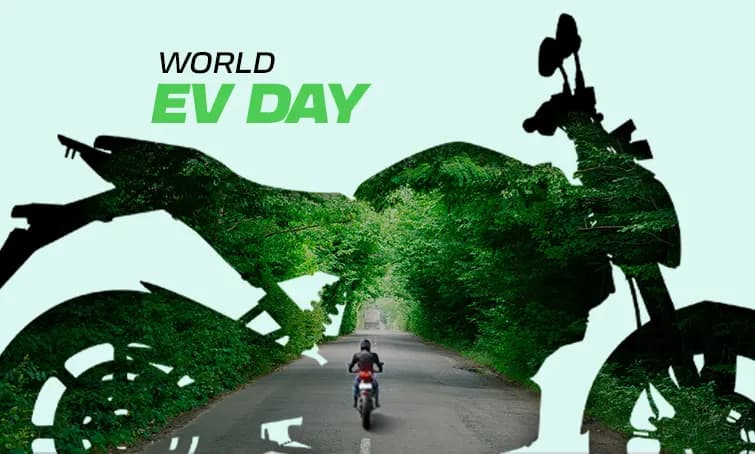
Every year, World EV Day puts the spotlight on clean mobility and the shift from fuel-driven vehicles to sustainable alternatives.
It’s not just another day on the calendar; it’s a reminder of how collective action can change the future of transportation. With cities growing denser and air quality becoming a serious concern, the transition to electric mobility has become more urgent than ever.
India, like the rest of the world, is experiencing the effects of climate change and urban pollution.
World EV Day 2025 brings together governments, automakers, and citizens to create momentum for electric mobility. Here are key insights into why this day matters, how it began, and the opportunities it holds for India’s journey toward clean energy transportation.
History of World EV Day
So, what is World EV Day? It started as a global movement to celebrate and accelerate the transition towards electric mobility. First introduced in 2020, it has quickly grown into a global observance where communities come together to learn, share, and act in support of sustainable transport.
Over the years, World EV Day has gained recognition worldwide. Governments, industry leaders, and citizens now view it as an annual reminder of the need to push electric adoption further. In India, events and campaigns have steadily expanded, with more people showing interest in EVs, making it a crucial milestone in our clean mobility mission.
Why Electric Vehicles Matter
Electric vehicles aren’t just a trend; they are shaping the future of mobility in India. They bring solutions to some of our biggest challenges: reducing emissions, lowering costs, and offering advanced technology to everyday commuters.
Here’s why EVs hold the key to a sustainable tomorrow.
Environmental Benefits
Switching to EVs directly impacts air quality. Vehicles powered by electricity release no tailpipe emissions, meaning lower carbon dioxide and cleaner air in cities. This helps reduce smog levels and supports India’s pledge to cut down greenhouse gases.
Revolt riders alone have already shown what a difference this shift can make:
- 642,715,884 kilometres driven on electric mobility
- 7,702,021 kilograms of CO₂ emissions prevented
- Equal to planting 338,589 trees
- 8,389,133 litres of fuel saved
- Fuel savings worth nearly ₹796,967,696
Apart from reducing CO₂ emissions, EVs also minimise noise pollution. For a country with bustling cities like Delhi and Mumbai, quieter streets improve urban living. They also reduce dependence on fossil fuels, which positions India to lead in renewable energy integration.
Economic Benefits
One of the biggest attractions of EVs is their cost-effectiveness. Compared to petrol or diesel vehicles, EVs have fewer moving parts, which means lower maintenance expenses. Owners enjoy significant savings in the long run.
Government support makes the shift even easier. The FAME India Scheme, PM E-Drive Scheme, and state-level initiatives such as the Maharashtra EV Policy and Delhi EV Policy have added subsidies, tax benefits, and incentives. These efforts are encouraging more citizens to take the electric leap.
Technological Innovation
EV technology has grown rapidly. Advanced lithium-ion and upcoming solid-state batteries are making vehicles last longer on a single charge. This addresses one of the most common concerns: range.
Smart charging solutions, including removable batteries and portable charging, are adding convenience for users.
With AI-driven features and mobile app connectivity, EVs now offer real-time updates, intelligent navigation, and performance insights, making them central to initiatives like world EV Charging Day, which promotes awareness about smarter and cleaner charging practices.
Challenges Facing EV Adoption
Adopting EVs isn’t without challenges, but the good news is India is already taking steps to overcome them.
Charging infrastructure is still developing, yet the government and private companies are investing in thousands of new charging stations nationwide. This means fewer worries about finding a place to charge. Similarly, concerns around range and battery life are being tackled through new innovations and better batteries.
The upfront cost of EVs may seem high today, but subsidies, lower running costs, and battery advancements will continue to make them more affordable. Recycling and safe disposal of batteries are being prioritised, ensuring sustainability throughout the lifecycle.
Finally, awareness programs are growing, helping consumers understand how EVs fit into their lifestyle, especially with campaigns around the world EV Day date that highlight the importance of electric mobility.
How Individuals Can Participate
World EV Day 2025 isn’t only about governments or corporations; it’s about individuals playing their part in India’s EV revolution.
Here’s how you can get involved:
- Take a pledge to drive electric, even if it means starting with a two-wheeler.
- Attend local or virtual World EV Day free charging events in your city.
- Explore EVs by taking a test drive and experiencing the difference first-hand.
The Future of E-Mobility
The future of EVs in India is packed with opportunities. Solid-state batteries and ultra-fast charging stations are on the horizon, promising quicker charge times and longer-lasting vehicles.
Integration with renewable energy will make EV ownership more sustainable. Imagine solar-powered homes charging EVs or vehicle-to-grid technology feeding energy back into communities. Beyond cars, the rise of electric bikes is making sustainable mobility accessible to millions of daily commuters. For India, this means cleaner cities and more affordable mobility options.
Wrapping Up
World EV Day 2025 is more than a celebration; it’s a movement that reminds us of the power of innovation, community, and choice. It pushes us to imagine an India where clean mobility is not an option but the norm.
As India stands at the forefront of this revolution, there’s no better time to act. Be part of the change. Take the leap. And if you’re ready to experience the thrill of electric riding, book a test ride with Revolt Motors today.
Also Read
How Many Trees Can You Save by Switching to an Electric Bike
Future of Electric Vehicles in 2025
Government Subsidy for Electric Bikes in India