

Benefits of Switching to an Electric Bike
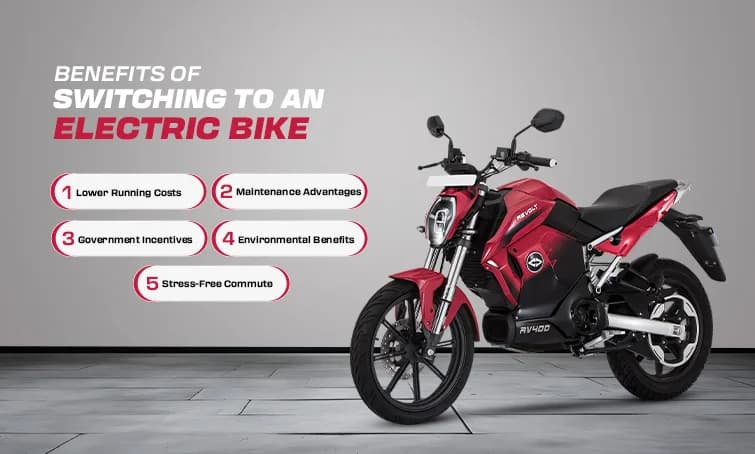
Electric bike ownership is becoming increasingly common across Indian cities. Rising petrol prices, heavy traffic congestion, and the push for greener transport have encouraged more riders to explore smarter commuting choices. What once seemed like a niche option is now a mainstream discussion, with electric bikes offering practical solutions for students, office-goers, and delivery workers alike.
India is at a turning point where convenience, cost savings, and eco-consciousness intersect. From crowded metros like Delhi and Mumbai to semi-urban towns, riders are discovering that the benefits of electric bike ownership go beyond simple mobility, reshaping daily lifestyles in surprising and practical ways.
Economic Edge for Everyday Riders
Before diving into lifestyle changes, it’s essential to see how electric bikes make a difference to wallets. In a country where petrol costs continue to rise, savings on transport can directly improve monthly budgets for individuals and families alike. This financial edge is one of the strongest reasons why more people are switching to electric two-wheelers.
To understand the economic benefits more clearly, let’s break down the main areas where electric bikes save money for everyday riders.
Lower Running Costs
One of the most important benefits of electric bike adoption is the substantial savings on daily fuel expenses. Charging an electric bike costs just a fraction of what is spent on petrol, making it an attractive option for salaried professionals and students. Over a year, the difference in costs often translates into thousands of rupees saved, especially for long-distance commuters.
Maintenance Advantages
Unlike petrol bikes, electric bikes have fewer moving parts, which reduces wear and tear significantly. Riders don’t have to worry about frequent oil changes or complex engine servicing. This makes upkeep simpler, cheaper, and more predictable. For example, RV400 have been designed with durability in mind while still keeping routine expenses light.
Government Incentives
The Indian government supports this transition with subsidies, tax rebates, and financing options under FAME II and state-level policies. Buyers benefit from reduced upfront costs and long-term affordability, making electric bikes increasingly accessible to middle-class households.
Environmental & Urban Health Benefits
The conversation around electric bike environmental benefits has gained momentum in the backdrop of India’s pollution crisis. With electric bikes, riders directly contribute to lowering harmful emissions in cities already struggling with poor air quality. Cleaner air not only benefits individuals but also improves overall urban health.
Noise pollution is another area where electric bikes have an edge. They run quietly, cutting down on the honking and engine noise common on Indian roads, which makes neighborhoods calmer. This makes them especially appealing in densely populated localities where peace and quiet are rare.
On a bigger scale, using electric bikes helps India meet its climate goals. By lowering reliance on fossil fuels, they support renewable energy efforts and fit with the country’s push for sustainable mobility.
Lifestyle & Health Transformation
Commuting isn’t just about reaching a destination; it also affects how we feel physically and mentally. With electric bikes, riders are discovering a balance between convenience, fitness, and stress-free travel. To understand how electric bikes enhance daily life, let’s look at their key lifestyle and health benefits:
Stress-Free Commutes
A big benefit of electric bikes is the peace of mind they offer. With smooth acceleration, less vibration, and quiet rides, they lower stress on the road and help riders feel more relaxed and less tired after work.
Smart Connectivity for Daily Ease
Revolt bikes also come equipped with smart connectivity features that link to a mobile app. Riders can track battery levels, access navigation support, and even set up customized riding modes. This convenience adds a layer of control and confidence to every ride, making commutes more seamless and enjoyable.
Commuting Convenience in Indian Cities
Navigating India’s busy city streets can be a daily challenge, from congested roads to limited parking. Electric bikes offer practical solutions that make commuting not only faster but far less stressful. Here are the key conveniences that electric bikes bring to urban riders:
Easy manoeuvrability in narrow lanes and dense traffic – Electric bikes are compact and lightweight, allowing riders to slip through tight spaces and avoid getting stuck in long queues.
Hassle-free parking even in crowded marketplaces – Finding parking in metro areas can be a nightmare, but electric bikes fit into smaller spaces, reducing the time and stress of parking.
Seamless integration with metro or bus travel for last-mile connectivity – For commuters who rely on public transport, electric bikes provide a smooth solution for the distance between stations and home or office.
For many urban commuters, these advantages outweigh traditional two-wheelers. An electric bike proves to be a perfect fit for short and medium-distance city travel, where time and convenience are paramount.
Technological Innovations Driving Adoption
Today’s electric bikes are not just about mobility; they’re about smart connectivity. Revolt RV400 is integrated with mobile apps for navigation, ride data, and battery monitoring. Features like GPS locks, regenerative braking, and anti-theft alerts enhance rider safety and convenience.
The growing battery-swapping networks in cities such as Delhi, Bangalore, and Hyderabad are also reshaping ownership experiences. Riders no longer need to wait hours for charging, as quick swaps keep them on the move. Revolt Motors integrate these advancements, making daily commuting far more efficient.
Empowering Rural and Semi-Urban India
Electric bikes aren’t just changing city commutes; they’re bringing real benefits to smaller towns and semi-urban areas where transport options are limited. These vehicles are bridging mobility gaps, giving residents reliable, eco-friendly alternatives to petrol two-wheelers. Let’s take a closer look at how electric bikes are transforming daily life outside the big cities:
Affordable Transport
In smaller towns and semi-urban pockets, electric bikes provide affordable daily commuting options. Families save on petrol costs while still enjoying reliable mobility.
Supporting Local Businesses
From shop deliveries to medical visits, electric bikes have made local operations smoother. Small traders and service providers find them dependable for covering short distances multiple times a day.
Social & Cultural Shifts
The benefits of electric bike use go beyond economics and the environment; they reshape social identity. Young riders now see electric bikes as a symbol of progressiveness and eco-consciousness. This cultural change is amplified by social media, where owning an electric bike is tied to modern, sustainable living.
Women and senior riders also feel more confident on lightweight, quiet models. Their ease of handling makes them approachable and safe for groups who may otherwise avoid heavier petrol bikes. Over time, the shift from niche to mainstream adoption reflects India’s changing perception of personal mobility.
Boost to India’s Gig & Delivery Economy
Electric bikes are increasingly empowering gig workers and delivery riders across India. Switching to an electric bike in India helps reduce operating costs, minimize fatigue during long shifts, and improve overall efficiency. This not only benefits individual riders but also supports companies in building greener, more sustainable delivery operations.
For gig workers and delivery riders, the benefits of electric bike ownership are particularly impactful:
- Lower operating costs increase net daily income
- Reduced fatigue during extended shifts
- Support from food and e-commerce platforms promoting eco-friendly fleets
This shift benefits not only individual riders but also companies looking to align operations with sustainability goals.
Policy & Infrastructure Support
India’s EV policy framework under FAME II is encouraging rapid adoption of electric bikes. States are also stepping in with their own incentives, including road tax waivers, free registration, and scrappage bonuses for old petrol two-wheelers.
Charging infrastructure is expanding across malls, office complexes, and residential societies. These developments reassure potential buyers that they won’t face range anxiety. Together, they form a strong foundation for sustained e-bike adoption nationwide.
Future of Electric Bikes in India
As India continues to embrace cleaner mobility solutions, the future of electric bikes looks increasingly promising. Advancements in technology, expanding infrastructure, and changing consumer behaviour are all set to accelerate adoption. To understand where electric bikes are headed, let’s explore key trends shaping their role in the coming years.
Adoption Trends
With rising awareness of cost savings, environmental benefits, and lifestyle advantages, the benefits of electric bike use are steadily reaching Tier-2 and Tier-3 cities. Residents in these regions are increasingly recognising that e-bikes provide practical, reliable, and affordable mobility for daily commutes, school runs, and small business operations.
The growing availability of models like the RV400 in these cities is also helping break the perception that electric bikes are only for metropolitan users. Analysts predict that as more families witness tangible savings and convenience, adoption will accelerate, making e-bikes a mainstream choice across non-metro India.
Smart City Integration
India’s urban planners are actively exploring the concept of “15-minute cities,” where residents can access work, schools, healthcare, and essential services within a short commute. In this vision, e-bikes play a pivotal role, offering compact, emission-free transport that seamlessly integrates with walking paths and public transit hubs.
Electric bikes help ease traffic congestion and cut down on air pollution, promoting both smoother commutes and a healthier urban environment. Moreover, city authorities are beginning to create dedicated lanes, parking zones, and micro-charging points to make e-bike adoption easier, making them an integral part of modern, walkable neighbourhoods.
Renewable Energy Link
The future of electric bikes is closely tied to renewable energy initiatives in India. Many charging stations are expected to be powered by solar panels or hybrid renewable systems, making switching to electric vehicles even more environmentally sustainable. This integration will reduce dependency on the conventional electricity grid while lowering carbon footprints for riders.
Coupled with government incentives and technological advancements in battery storage, renewable-powered e-bike infrastructure has the potential to transform urban commuting into a cleaner, greener experience for individuals and the nation alike.
Conclusion
The benefits of electric bike ownership in India span across cost savings, environmental gains, cultural changes, and lifestyle improvements. They bring relief to daily commuters, boost gig workers’ incomes, and reduce urban pollution.
As India continues to embrace green mobility, electric bikes are set to play a defining role in the nation’s transport ecosystem. For anyone weighing convenience, savings, and sustainability together, choosing an electric bike is no longer just an option; it’s the smarter way forward.
Why imagine when you can ride? Take a Revolt electric bike for a spin and feel the power of silent acceleration, smart technology, and effortless handling. Book your free test ride today and see how commuting can truly change.
Also Read
How to Claim FAME 2 Subsidy for Your Electric Two-Wheeler
How to Maintain Your Electric Bike and Maximize Battery Life
The Future of EV Charging Infrastructure in India
What to Expect at an Electric Bike Showroom: A First-Time Buyer’s Guide