

The Future of EV Charging Infrastructure in India: Trends & Challenges
India’s electric vehicle market is shifting gears, but the ride won’t be smooth without a strong EV charging infrastructure. As EV adoption rises, the need for fast, accessible, and affordable charging solutions is no longer optional. Without a reliable network in place, growth could stall before reaching scale.
Government policies and private investments are steering the change, but gaps remain. From charger availability and power load issues to standardisation and cost, building a future-ready charging ecosystem demands more than just ambition; it needs execution, innovation, and speed.
Here’s a closer look at the key trends shaping India’s EV charging network and the real-world challenges slowing it down.
Rising Demand for EV Charging Infrastructure
The need for convenient electric vehicle charging options is growing rapidly in India. EV sales are growing in urban areas, especially among two-wheelers, passenger cars, and fleet operators. This is putting pressure on the limited charging options. The trend will likely spread to semi-urban areas as adoption expands.
Public chargers are being installed in more locations. At the same time, many EV owners are setting up home chargers to skip long queues. But the current system isn’t ready for large-scale use. The network must grow in both number and coverage. Smart grids will also be needed to handle the extra load.
Governments and private players see this shift coming. Incentives are already in place to support faster expansion. Still, just adding more chargers isn’t enough. Users also need consistent service, simple access, and real-time updates to trust the system.
Also Read: The Rise of Electric Motorcycles in Tier-2 and Tier-3 Cities
Technological Shifts Driving EV Charging Infrastructure
Technology is reshaping EV charging infrastructure. Apps now help users find, book, and pay for slots in real time. In high-traffic areas, it reduces queues and improves access. Features like live availability and digital payments make the process smooth and user-friendly.
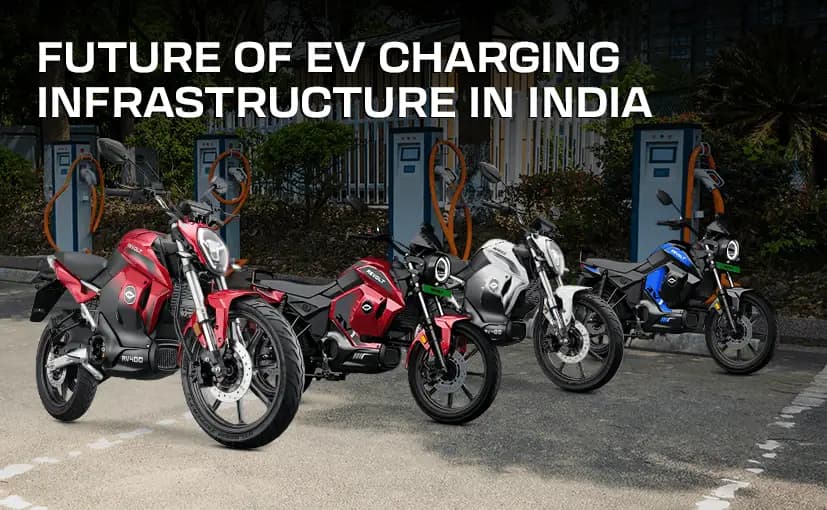
The RV400’s removable battery adds another layer of convenience for users. Riders can easily swap a drained battery for a fully charged one, eliminating long waits at charging stations. This flexibility is especially useful for daily commuters or delivery riders who need uninterrupted travel and fast turnarounds.
Battery swapping is also gaining ground for fleets and delivery vehicles. Drivers can quickly replace a drained battery with a charged one, reducing pressure on fixed charging points. AI tools are helping manage energy use during peak hours, improving grid balance and lowering costs. These systems also support clean energy like solar or wind.
Also Read: Future of Electric Vehicles in India
Government Support and EV Charging Infrastructure in India
Strong policy backing is critical for scaling up EV charging infrastructure India. The government is actively pushing this shift through financial incentives, regulatory reforms, and clear infrastructure goals. These efforts are helping build a foundation for long-term, sustainable growth.
Government schemes at both national and state levels are promoting public and private investment in EV charging through subsidies, lower electricity tariffs, and easier licensing processes
The FAME-II initiative, along with state-specific EV policies, has set clear infrastructure goals, including mandatory EV-ready parking in new residential and commercial projects
However, the absence of uniform standards across states continues to slow progress, highlighting the need for a centralised policy to streamline approvals and encourage larger investments
Also Read: What is the FAME II Scheme?
Private Sector Push and EV Charging Stations
Private sector involvement is key to scaling up the charging stations across India. Startups, fleet operators, and fuel providers are entering the market with flexible, tech-driven models. Many housing societies are also partnering with companies to install on-site chargers for residents.
Retail chains and business parks are turning parking spaces into charging zones. These hubs cater to both individual users and corporate fleets. Integration with payment apps and smart pricing is making the experience smoother and more accessible.
The main challenges include ensuring 24/7 uptime, charger compatibility across vehicle types, and reliable maintenance. Skilled support and proper training are essential to keep the network running efficiently and build user trust.
Widening Access to EV Charging Points
The distribution of EV charging points remains uneven. Most stations are clustered in high-traffic zones, leaving long stretches of highways or smaller towns with no coverage. To bridge this gap, there is a push to install chargers at petrol pumps, railway stations, and public parking lots.
The goal is to ensure that no driver is more than a few kilometres away from a charger. However, physical installation is just one part. Signage, app visibility, and customer assistance also matter when building a driver-friendly network.
Multi-point charging stations are a step forward. These can charge multiple vehicles at once, reducing wait times. Solar-powered charging options are being tested in some areas to address electricity availability and cost-effectiveness.
Affordability and EV Charging Cost
EV charging cost remains a major factor for users choosing between home and public charging. While home charging is more affordable, public station rates vary by provider, location, and time. Peak hours often come with higher charges, making cost predictability a challenge for daily users and fleets.
Clear pricing structures, like fixed monthly plans or subscription-based models, make it easier for riders to plan their expenses without surprises. Certain states have started offering discounted electricity rates for EV charging, which adds to the appeal.
The RV400 electric bike is already designed to work efficiently with such smart energy systems, making them a solid choice for those thinking long-term about cost, sustainability, and ease of ownership.
Smart City Planning and Future Readiness
Urban planning directly shapes the future of EV charging infrastructure. Cities are introducing EV-ready zones, mandating chargers in new buildings, and adding infrastructure to transport hubs. Planning these elements early helps avoid expensive retrofitting later and supports smoother EV adoption.
Rural areas also need attention, even if current demand is low. Basic infrastructure and mobile charging setups can lay the groundwork for future growth. To keep pace, training centres are being set up to build a skilled workforce for charger installation and maintenance, key to keeping the network running reliably.
What Lies Ahead
The future of EV charging infrastructure in India depends on how fast and evenly the network expands. Every charger installed today supports cleaner transport and builds confidence among future buyers. The Revolt RV400, with its innovative removable battery, takes convenience a step further. Riders can quickly swap a drained battery for a fully charged one, reducing wait times and making daily commuting seamless.
Progress will come through collaboration. A shared roadmap that includes government bodies, private firms, real estate developers, and citizens is needed. With the RV400’s smart design and user-friendly features, experiencing electric mobility has never been easier.
Book your test ride today to feel the freedom of instant battery swaps and a smooth, eco-friendly ride.
Also Read:
Future of Electric Bikes in India
2025’s Electric Motorcycles in India: What’s New, Smart, and Game-Changing?
Top 10 Reasons to Choose an Electric Bike as your First Bike