

The Future of Battery Management System for Electric Vehicle
Every electric vehicle depends on a crucial yet often unseen system that keeps its battery running safely and efficiently.
This intelligent framework ensures the safe operation of batteries, monitors performance, and protects against overheating or overcharging. Without it, even the most advanced EV battery would fall short in efficiency and reliability.
As India steadily moves towards cleaner mobility, the advancement of the battery management system for electric vehicle is set to redefine the future of electric vehicles. From predictive analytics to connectivity with smart grids, the next wave of innovation in this field promises longer ranges, safer journeys, and greater value for both individual users and fleet operators.
The Evolution of Battery Management Systems for Electric Vehicle
Early BMS solutions were simple, focusing only on temperature and voltage checks. Today, the EV battery has evolved into an intelligent unit capable of balancing power across cells and maximizing energy use.
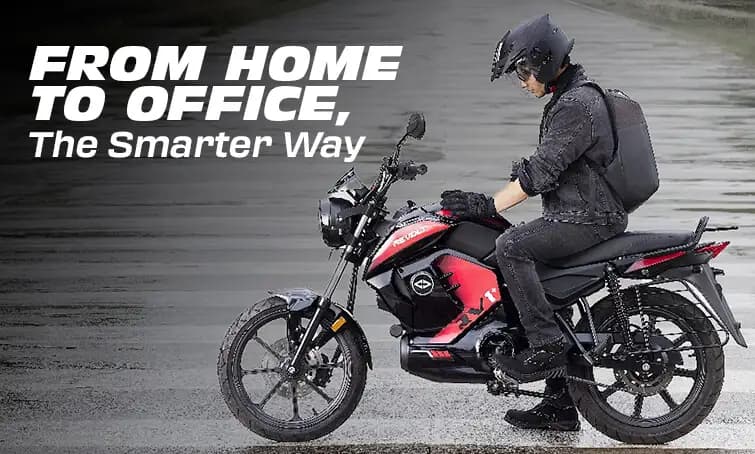
The transition from these primitive setups to advanced smart control mirrors the overall rise of EV battery management in shaping how vehicles operate. Revolt Motors has embraced this progress with its flagship model, the RV400, which comes equipped with advanced systems designed to enhance rider safety, efficiency, and overall performance.
Milestones in Development
- Introduction of wireless BMS technology
- Integration with cloud platforms for real-time updates
- Growing influence in supporting semi-autonomous EV functions
Also Read: What is a Battery Management System
Intelligent BMS Powered by AI and Machine Learning
Artificial intelligence is playing a transformative role in the electric vehicle battery, especially in India, where urban mobility demands reliability and efficiency. Instead of simply tracking charge and discharge levels, AI-backed platforms are now moving toward smarter, predictive models.
This shift ensures vehicles stay road-ready while also lowering long-term ownership costs. A model like the RV400 demonstrates how such advancements can directly benefit daily riders with added confidence in durability.
Here are some of the most promising applications of AI and machine learning in BMS technology:
Predictive Battery Health Analytics
Artificial intelligence allows the system to forecast potential wear and tear before it becomes a problem. Algorithms monitor charging patterns, detect unusual cycles, and suggest timely interventions to maintain optimal performance.
Adaptive Energy Optimisation
Machine learning enhances energy distribution across individual cells. This helps extend driving range, shorten charging times, and maximise efficiency, as the system constantly refines itself based on driving behaviour.
The Connected Future: IoT and Cloud Integration
Connectivity will soon be the standard for every battery management system for electric vehicle. With IoT integration, these systems will not only gather data but also provide actionable insights for drivers and service centres.
Key Benefits of IoT-Enabled BMS:
Remote monitoring of battery health and performance
Early detection of faults to reduce downtime
Compatibility with smart grids and home charging stations
Seamless updates through over-the-air technology
As battery management systems for electric vehicle become more connected, they also become potential targets for cyber threats. Hackers could manipulate data, disrupt charging operations, or even interfere with energy distribution. With electric bike like the RV400 incorporating smarter, AI-enabled systems, it is critical to prioritise security alongside performance to ensure both safety and reliability.
Key measures being adopted to secure advanced BMS include:
Encrypted Communication Channels: Data exchanged between the vehicle and cloud servers is encrypted to prevent interception or tampering.
Layered Authentication Protocols: Multi-step authentication ensures that only authorised devices and users can access system functions.
AI-Driven Threat Detection: Continuous monitoring and anomaly detection allow early identification of suspicious activity, protecting the vehicle from potential attacks.
Sustainability and the Circular Economy
A smart battery management system for electric vehicle goes beyond monitoring power. It controls charging and discharging to reduce battery wear, extend life, and improve efficiency. This helps riders save costs while supporting a cleaner transport ecosystem in India.
Here are some of the key ways BMS supports a sustainable future:
Extending Battery Life through Smart BMS
One of the biggest contributions of an advanced battery management system for electric vehicle is reducing waste. Intelligent charging strategies can slow down cell degradation, making EV ownership more sustainable.
Supporting Battery Recycling Ecosystems
BMS will play a central role in recycling by tracking the lifecycle of each unit. This data helps processors extract usable materials safely, strengthening India’s push towards a circular economy. Beyond mobility, these systems will help retired batteries find new life in renewable energy storage.
Standardisation and Industry Collaboration
The widespread adoption of the battery management system for electric vehicle will require clear global standards. Industry partnerships among automakers, regulators, and energy providers can ensure safer vehicles and more efficient charging networks.
A strong example is how shared protocols could enable different EV models to use the same infrastructure, simplifying the ownership experience across India.
What the Future Means for Consumers
The next generation of battery management system for electric vehicle is set to be much more than just a monitoring tool, it will act almost like a personal assistant for EV owners. From providing real-time performance insights to suggesting efficient charging routines, these systems are designed to make everyday riding smarter, safer, and more convenient.
Here’s how consumers are likely to benefit:
Personalised Insights
In the coming years, every battery management system for electric vehicle will double as a personal assistant. Drivers can expect detailed dashboards showing charge status, cost-saving tips, and maintenance alerts.
A Safer, Smoother Driving Experience
Smarter systems will ensure fewer breakdowns, faster diagnostics, and seamless integration with renewable energy sources. For everyday riders, this translates to a safer, more enjoyable journey.
Conclusion
The battery management system for electric vehicle is now the nerve center of EVs, driving safety, efficiency, and sustainability.
Revolt Motors showcases this with the RV400, equipped with an advanced BMS for longer battery life, plus app connectivity for ride stats, geo-fencing, and support at your fingertips. Smart, reliable, and built for the future, it’s a great choice for everyday riders.
See how advanced BMS and app connectivity feel on the road. Book a test ride with Revolt Motors today.
Also Read: Benefits of Switching to an Electric Bike