

Tips to Improve the Life of Your Electric Bike Battery
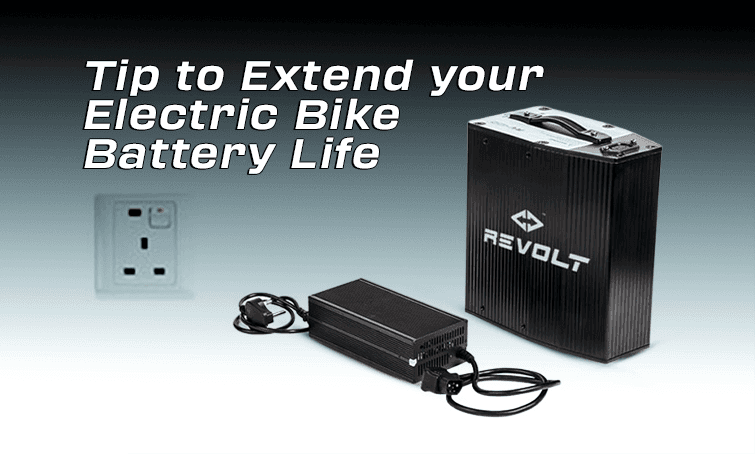
Gliding through traffic, the pleasant hum of the motor, and climbing the ever-steep roads, all these are some of the aesthetically pleasing features of electric bikes. Did you know that on average, a high-quality lithium-ion electric bike battery is rated for 500 to 1,000 full charge cycles, which typically equates to 3 to 5 years of regular use, depending on ride frequency. But you need to take good care of the battery, otherwise it can malfunction.
Many riders unknowingly cut short their battery’s life through small daily habits. With a little more awareness, every charge can make a difference. Its usage, charging, and storage must be considered to retain its power as long as possible.
7 Practical Tips to Extend Your EV Battery Life
1. Charge the Battery Wisely
The battery does not always need to be charged to full capacity. Reaching 100% on every cycle can place internal pressure on the cells. At the same time, letting the charge level drop to zero repeatedly could weaken its output over months.
It is better to unplug the battery once it reaches around 80%. Most batteries maintain balance when kept in the middle range. The charger that comes with the bike should always be used, as it matches the voltage and circuit configuration accurately.
Also Read: Fast Charging vs Regular Charging: Which is Better for Electric Bike
2. Maintain Proper Storage Conditions
External weather impacts battery health more than many riders assume. Exposure to direct heat or chilly wind can cause the internal layers to degrade. A cool, dry spot away from direct sunlight is ideal when the battery is not in use.
Charge the battery to around 50% before storing it for days or weeks. Avoid placing it near open windows, damp corners, or on metal shelves. A brief visual check every few weeks helps catch signs of leakage or bloating in time.
3. Control Speed While Riding
Speed control matters more than most people think. Sudden starts and full-throttle acceleration can place unnecessary demand on the battery. Instead of jumping quickly from idle to high speed, steady momentum allows the motor to function more smoothly.
Choose routes that do not require frequent braking or climbing. When the motor avoids switching between high and low energy bursts too often, the overall energy drawn from the battery stays consistent. Braking and accelerating gently also reduces internal wear.
Electric bikes like the Revolt RV400 and RV1 Plus come with Eco, Normal, and Sports modes, allowing you to adjust performance based on riding needs.
- Eco Mode: Best for city rides; saves battery with lower speed.
- Normal Mode: Balanced option for daily mixed-use.
- Sports Mode: Full power for quick boosts and steep roads.
Switching to the right mode based on road and load conditions helps control battery usage. Staying in Eco or Normal mode during routine rides ensures smoother operation while stretching the battery’s daily output.
4. Ensure Tyres Are Properly Inflated
Tyres may not seem directly linked to the battery, but they affect how efficiently the bike moves. When tyres are low on pressure, the motor has to push harder to maintain motion. That extra effort drains the battery faster than needed.
Check tyre pressure weekly using a standard gauge. Refer to the pressure range given on the tyre itself and match it accordingly. Well-inflated tyres help the bike roll better, which indirectly supports the battery by reducing resistance.
5. Follow a Consistent Cleaning Routine
The outer surface of the battery tends to collect dust, especially in areas with uneven roads. While cleaning, avoid spraying water or letting liquid enter the connector ports. Always use a dry or lightly moistened cloth for wiping.
Revolt electric bikes come equipped with IP67-rated lithium-ion batteries, which are dustproof and water-resistant up to 1 meter for 30 minutes. For example, the 3.24 kWh battery used in the Revolt RV400 and RV1 series is designed to withstand typical Indian weather conditions like rain or flooding.
Even with such protection, regular surface cleaning helps avoid buildup near connectors. A quick wipe around the terminals and allowing a few minutes of air drying before reinstallation can go a long way in maintaining smooth battery performance.
6. Select Appropriate Riding Modes
Riding modes allow riders to choose how much support they want from the motor. For city travel or smooth roads, lighter settings are more suitable. Reserve the higher power levels only for hilly roads or when carrying additional load.
Using the correct mode during a ride helps distribute effort between the rider and the motor. It keeps energy consumption at a manageable rate and prevents unnecessary power drain. Regularly adjusting modes based on terrain brings better balance.
7. Check Battery Components Periodically
Regular inspection helps identify wear and tear before it leads to performance drops. Components like wires, connectors, and switches may loosen or corrode over time. Keeping an eye on these parts ensures consistent energy flow and avoids unexpected breakdowns.
8. Look out for the following during routine checks:
Watch for unusual heat while riding or charging, which may signal an issue
- Look for signs of rust on the terminals and wipe them gently if needed
- Inspect the battery lock or mounting mechanism for looseness or unusual sound
- If the battery case shows any cracks or swelling, do not attempt to open or fix it independently. Always rely on an authorised service centre or experienced technician for any internal repair.
Key Takeaways
- Keep the charge between 20% and 80%
- Avoid full charges and deep drains
- Use the original charger only
- Store indoors in dry, cool spaces
- Ride at a steady, even pace
- Inflate tyres to the right pressure
- Wipe the battery with a damp cloth only
- Choose the right riding mode
- Check for rust, heat, or loose parts
Key Takeaways for Long-Lasting EV Battery Health
Every battery has a natural limit, but the way it’s used each day plays a big role in how long it lasts. Electric bikes such as the Revolt RV400, RV1, and RV1+ come fitted with 3.24 kWh IP67-rated lithium-ion batteries, designed to handle dust, water, and everyday road challenges. These features support long-term reliability, especially in unpredictable weather.
If you're curious to see how electric bikes perform on real roads, book a test ride with Revolt Motors and experience the ride firsthand.
Also Read
How Long Does an Electric Two-Wheeler Battery Last?