

EV Owners in Maharashtra Get 100% Toll Free on Major Roads
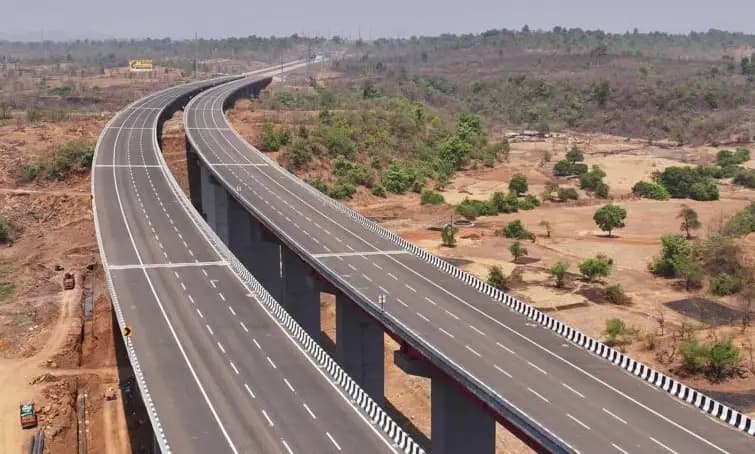
Maharashtra has taken a bold step toward sustainable transportation by announcing a 100% electric vehicle toll free policy on major expressways.
This means EV owners traveling across important routes like the Mumbai–Pune Expressway, Samruddhi Mahamarg Expressway, and the Atal Setu Trans Harbour Link will now save every time they hit the highway.
For many, this is more than just a financial relief; it’s a signal that the state is serious about promoting cleaner, greener mobility.
The policy has generated buzz not just among current EV users but also among those considering a switch. With toll charges completely waived, the benefits of owning an electric vehicle just became even more attractive.
Here’s how this move reshapes life for drivers, benefits the environment, and sets the stage for Maharashtra’s mobility future.
Key Highlights of the Toll Waiver
At the heart of this initiative is the electric vehicle toll free privilege that covers several of Maharashtra’s busiest highways. Imagine commuting daily on the Mumbai–Pune Expressway without spending a rupee on tolls; that’s a game-changer for thousands of drivers.
The electric vehicle toll free in Maharashtra applies to both private and commercial EVs. This includes everything from personal cars to electric taxis and fleet vehicles. For frequent commuters and logistics operators, the annual savings add up significantly, making EV ownership more appealing than ever.
Maharashtra’s Push for EV Adoption
Maharashtra isn’t just stopping at toll exemptions. The state has been consistently building a framework that makes owning and using an EV practical, affordable, and forward-looking. To understand the bigger picture, let’s break it down.
State-Level EV Policy
This toll waiver isn’t an isolated decision; it’s part of a larger ecosystem of incentives under Maharashtra’s EV policy. The government is aiming to reduce fossil fuel dependence while positioning the state as a leader in clean transportation. Subsidies on purchases, road tax exemptions, and reduced registration fees already exist, and the toll free for EV measure adds yet another layer of value.
Supporting Infrastructure
A policy is only as effective as the infrastructure behind it. Maharashtra has been scaling up its charging network, with stations popping up in cities, highways, and even semi-urban areas. This expansion not only supports the electric vehicle toll free plan but also builds confidence among drivers considering longer trips. Together, these moves help create a supportive environment for both consumers and industry players.
Financial Relief for EV Users
For most EV owners, the real advantage shows up in their monthly budgets. Tolls, fuel, and maintenance are everyday costs, so eliminating one of them makes a significant difference.
Everyday Commuter Savings
Let’s put this into perspective. A commuter who travels the Mumbai–Pune Expressway daily spends thousands annually just on tolls. With the new electric vehicle toll free initiative, those costs drop to zero. That’s money back in people’s pockets, which can cover charging expenses or simply boost household savings.
Long-Term Affordability
Lower toll charges directly impact the total cost of owning an EV. Add that to reduced fuel expenses, tax breaks, and minimal maintenance costs, and the long-term math is clear: EVs are becoming increasingly affordable. With toll free for electric vehicle policies in place, families and fleet owners now see a faster return on their investment.
Broader Impact on Travel and Environment
Beyond the financial perks, the electric vehicle toll free policy changes how people think about intercity travel. EV owners can confidently plan trips knowing they won’t face toll costs on key highways. For many, this removes one more barrier to embracing electric travel.
Environmentally, the impact is equally important. As more people opt for EVs, emissions on busy corridors like the Samruddhi Mahamarg decrease. Cleaner air benefits everyone, from city dwellers to rural communities. Initiatives like this align perfectly with Maharashtra’s sustainability goals and India’s broader green agenda.
Boost to the EV Market in Maharashtra
The toll waiver also acts as a powerful catalyst for market growth. Consumers on the fence about switching now see extra value in going electric. Whether it’s two-wheelers, cars, or commercial fleets, demand is expected to rise steadily.
This ripple effect benefits more than just car buyers. EV manufacturers, battery providers, and charging operators all stand to gain. By linking the electric vehicle toll free initiative with existing incentives, Maharashtra is creating a cycle of growth where each stakeholder plays a role in accelerating adoption.
How Toll Waivers Complement Other Benefits
Policies work best when they build on each other. Maharashtra already offers purchase subsidies, tax exemptions, and infrastructure support. The electric vehicle toll free rule complements these perfectly, making ownership attractive from day one.
When you combine toll relief with subsidies and low running costs, the result is a comprehensive support system. It reassures potential buyers that their decision to switch isn’t just environmentally sound, it’s economically smart. With eco-friendly electric bikes and cars already gaining traction, these policies ensure every segment of the EV market grows together.
Challenges and Future Outlook
While the benefits are undeniable, policies like these also come with their own set of challenges. Maharashtra will need to balance growth with sustainability, ensuring the long-term success of its EV ecosystem.
Managing Toll Revenue
One natural concern is the impact on toll collections. Waiving charges for EVs could reduce revenue, but it’s also an investment in the future. As adoption grows, governments may explore innovative models like green levies on traditional vehicles to balance the scales.
Infrastructure Readiness
Another challenge is keeping up with demand. As the electric vehicle toll free policy attracts more buyers, highways will need robust charging infrastructure. The good news? Maharashtra is already scaling up its charging grid, preparing for the next wave of EV adoption. The focus will now be on ensuring convenience and speed for long-distance travelers.
Wrapping Up
The electric vehicle toll free initiative is more than just a cost-saving measure; it’s a statement of intent. Maharashtra is signaling to its citizens and the industry that clean mobility is the future. For EV owners, the advantages are immediate: financial savings, smoother travel, and confidence in their choice.
As adoption grows, the environmental dividends will also become clearer: cleaner air, quieter roads, and a stronger push toward sustainable living. Maharashtra’s example could soon inspire other states, setting the stage for nationwide policies. For anyone considering an EV, there’s no better time than now.
Why wait? Take charge of your commute with Revolt’s electric bikes that are eco-friendly, powerful, and built for the city.
Also Read
Future of EV Charging Infrastructure in India
How an EV 2 Wheeler Contributes to a Greener India
Future of Electric Vehicles in 2025 and Beyond: Trends and Predictions